What Happens When You Give Executives a Safe Room and a Mic
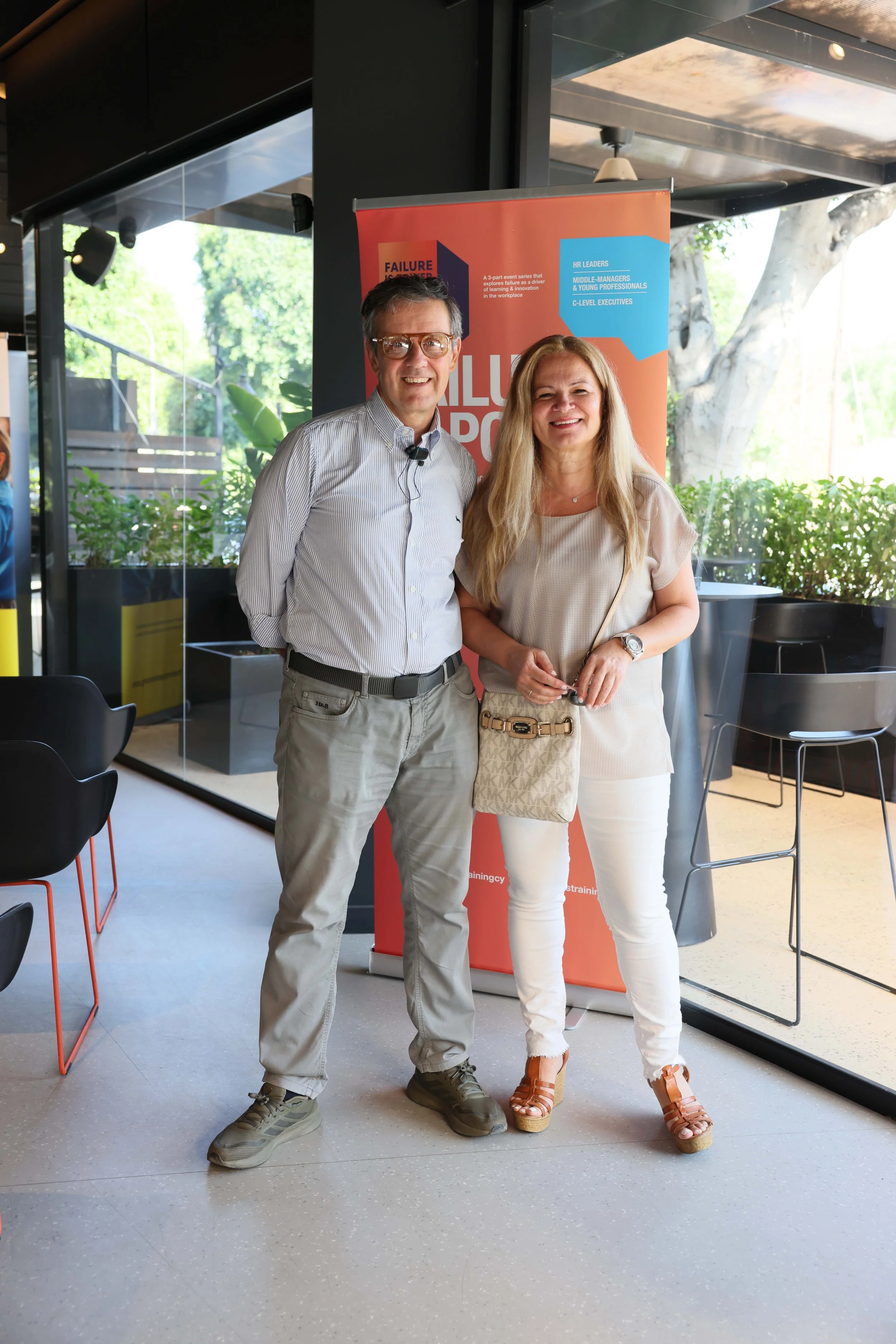
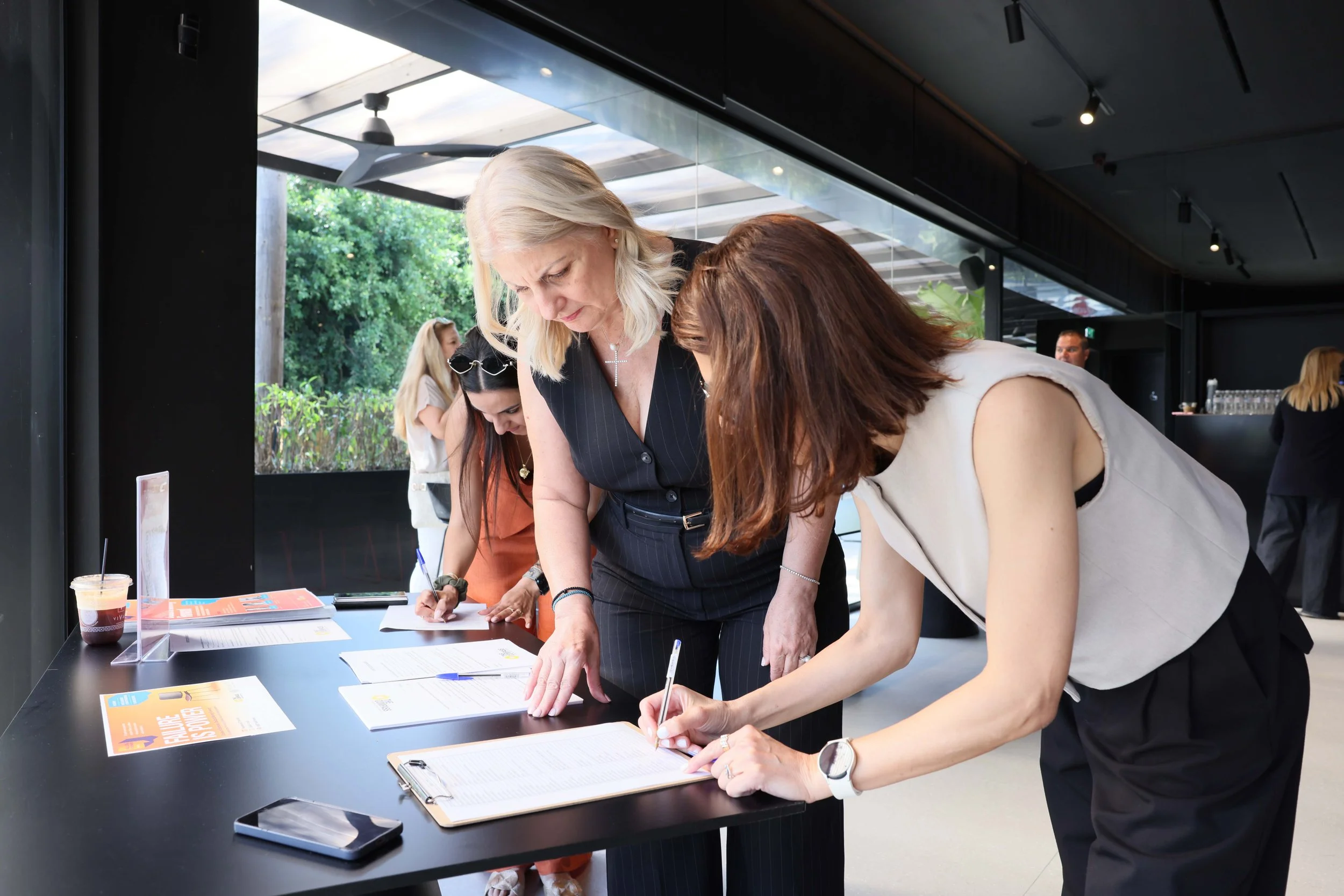
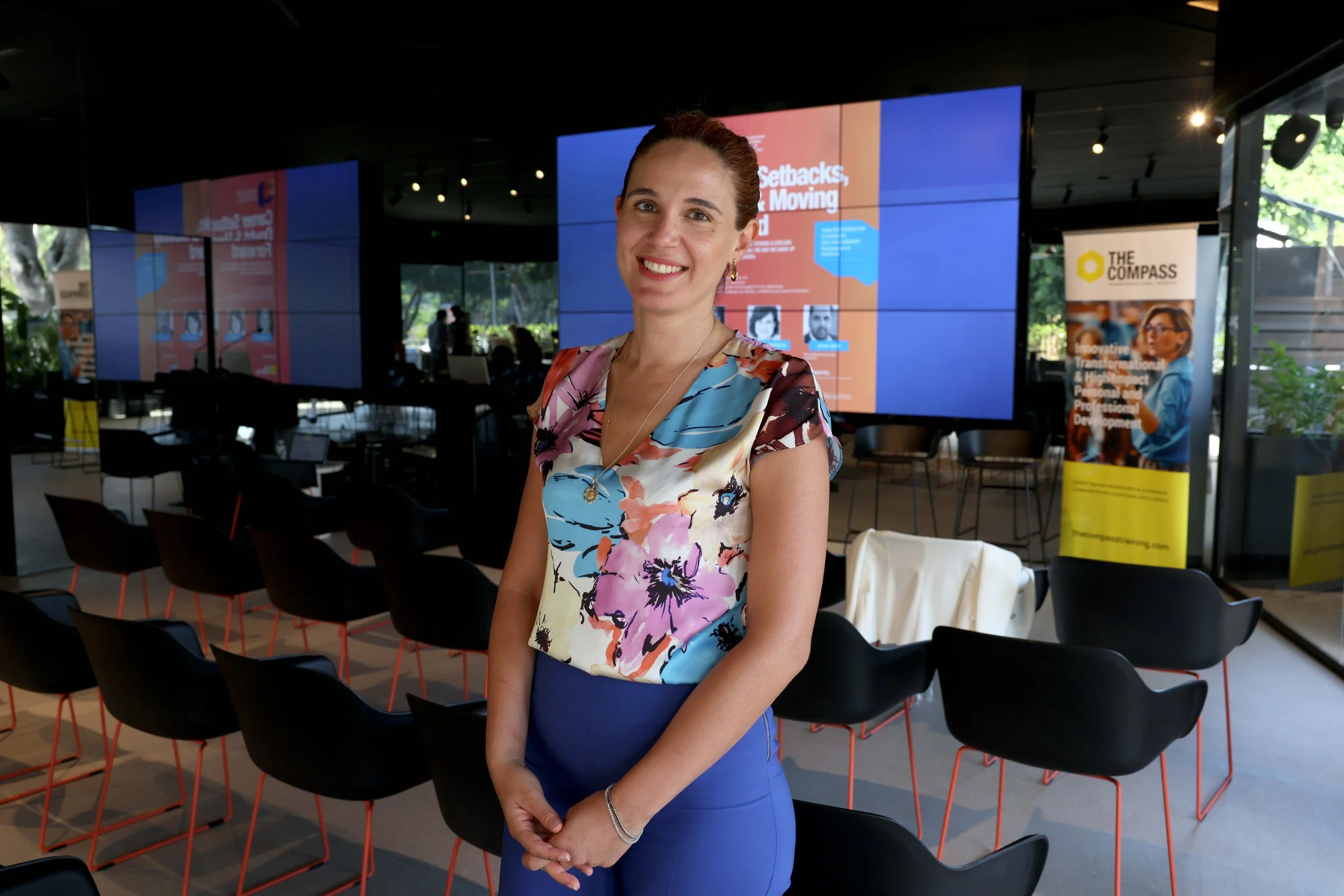
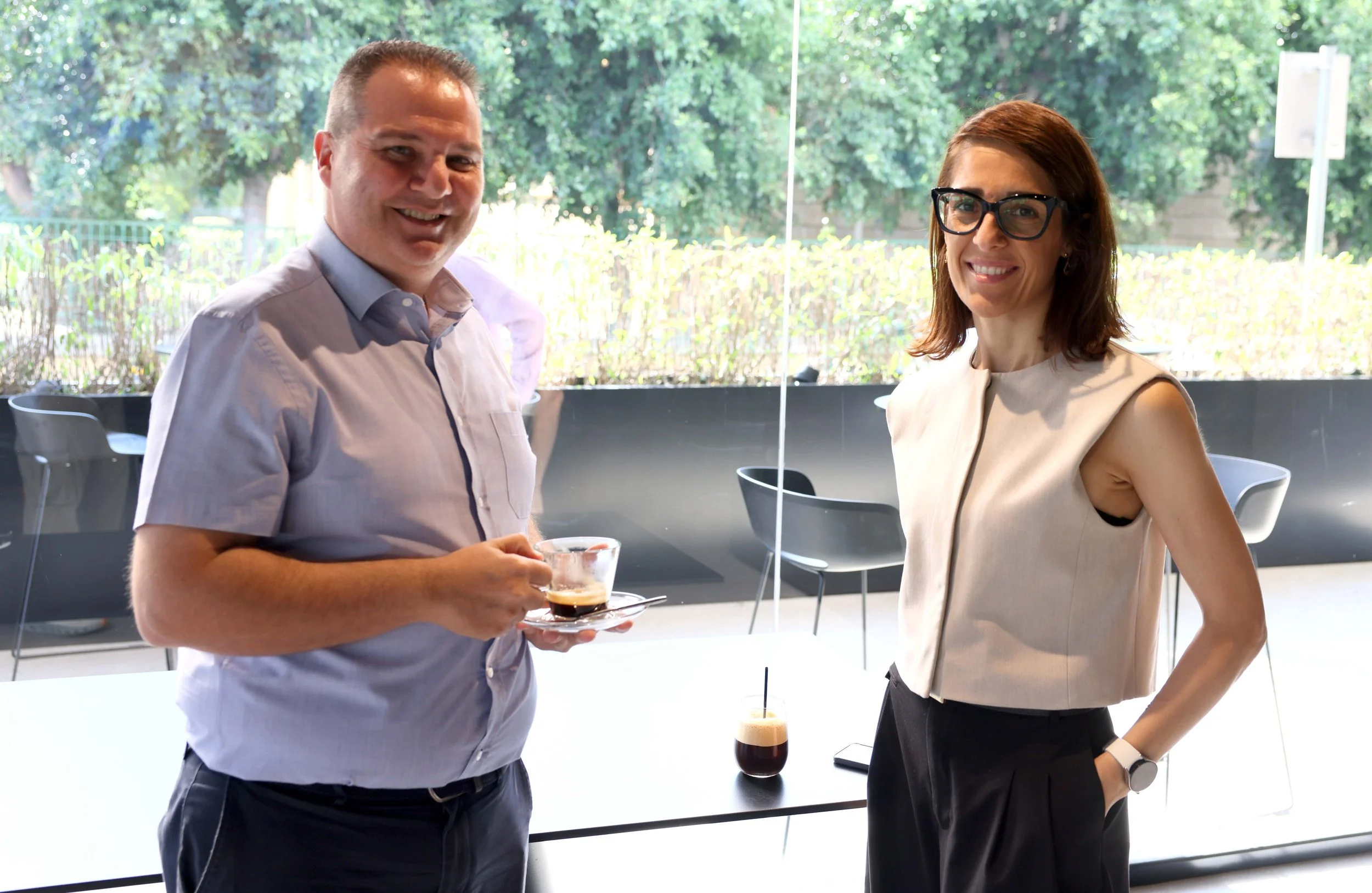
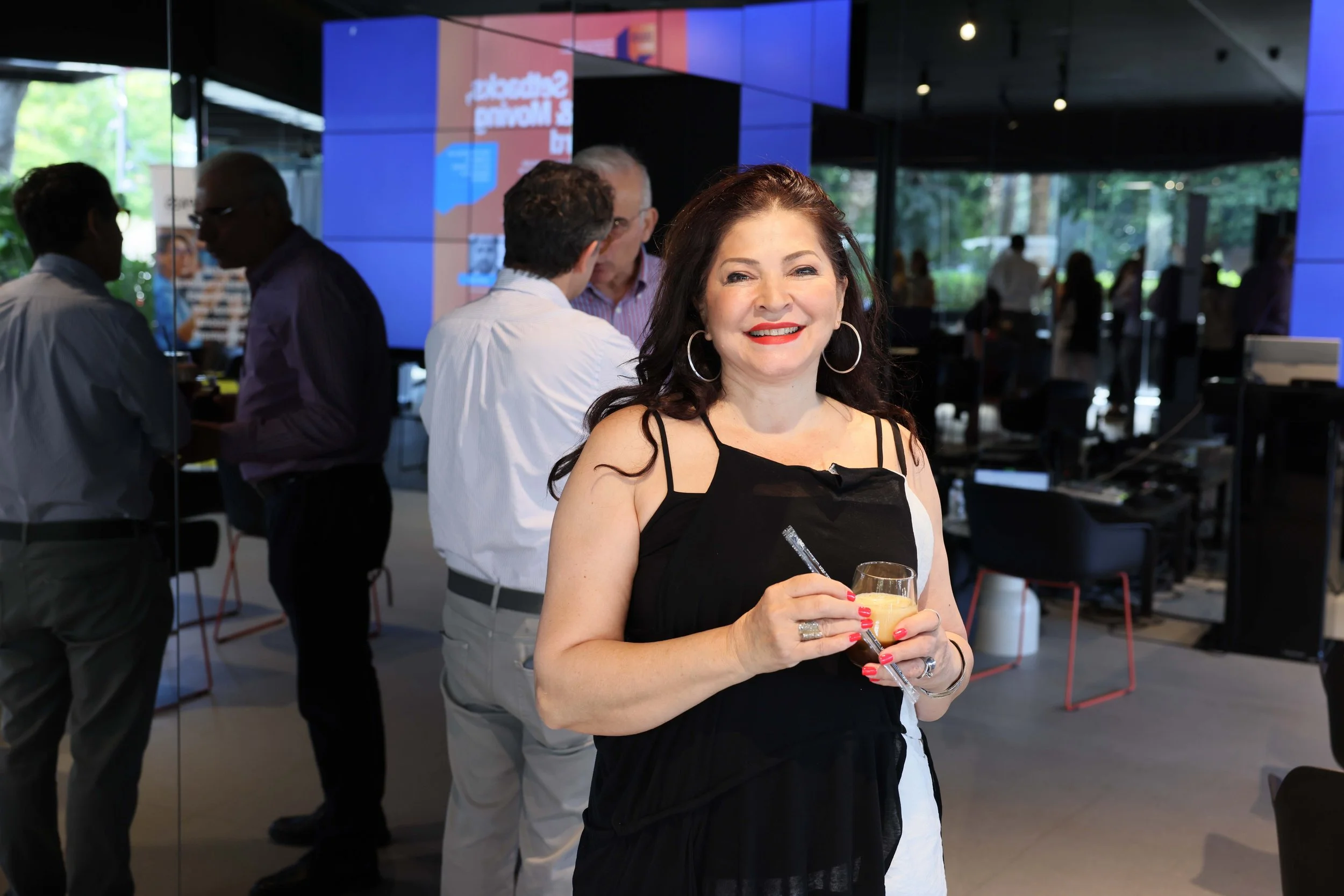
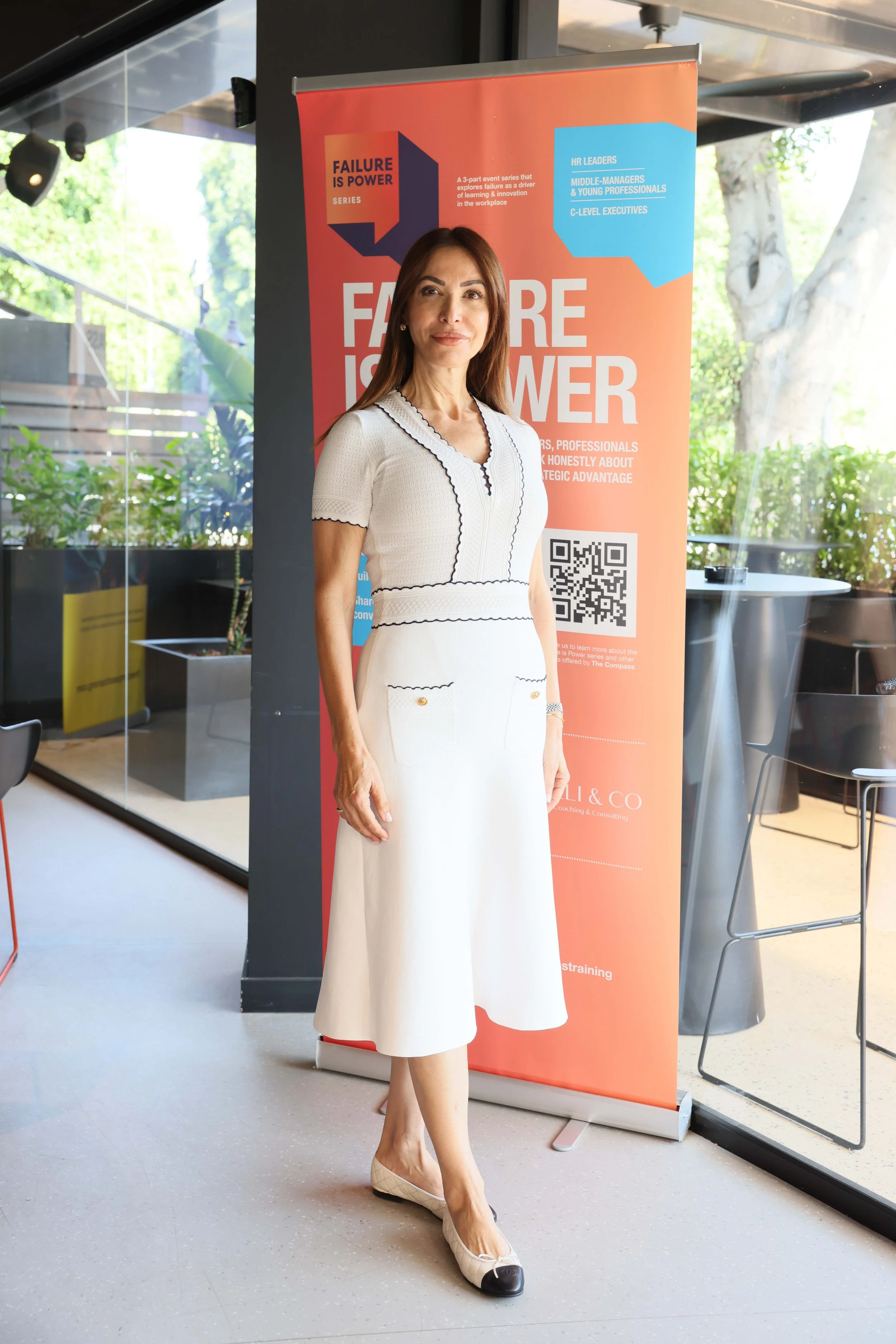
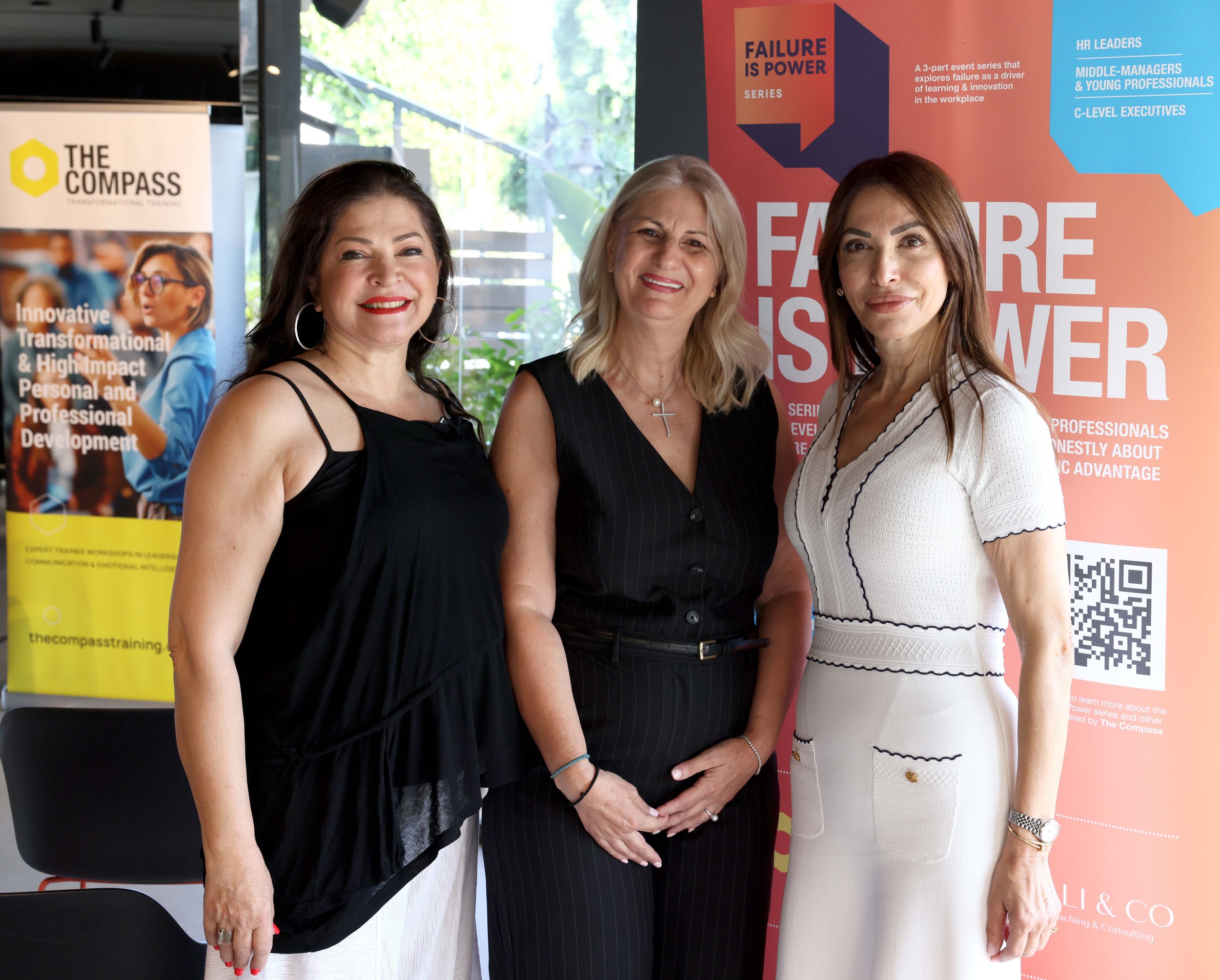
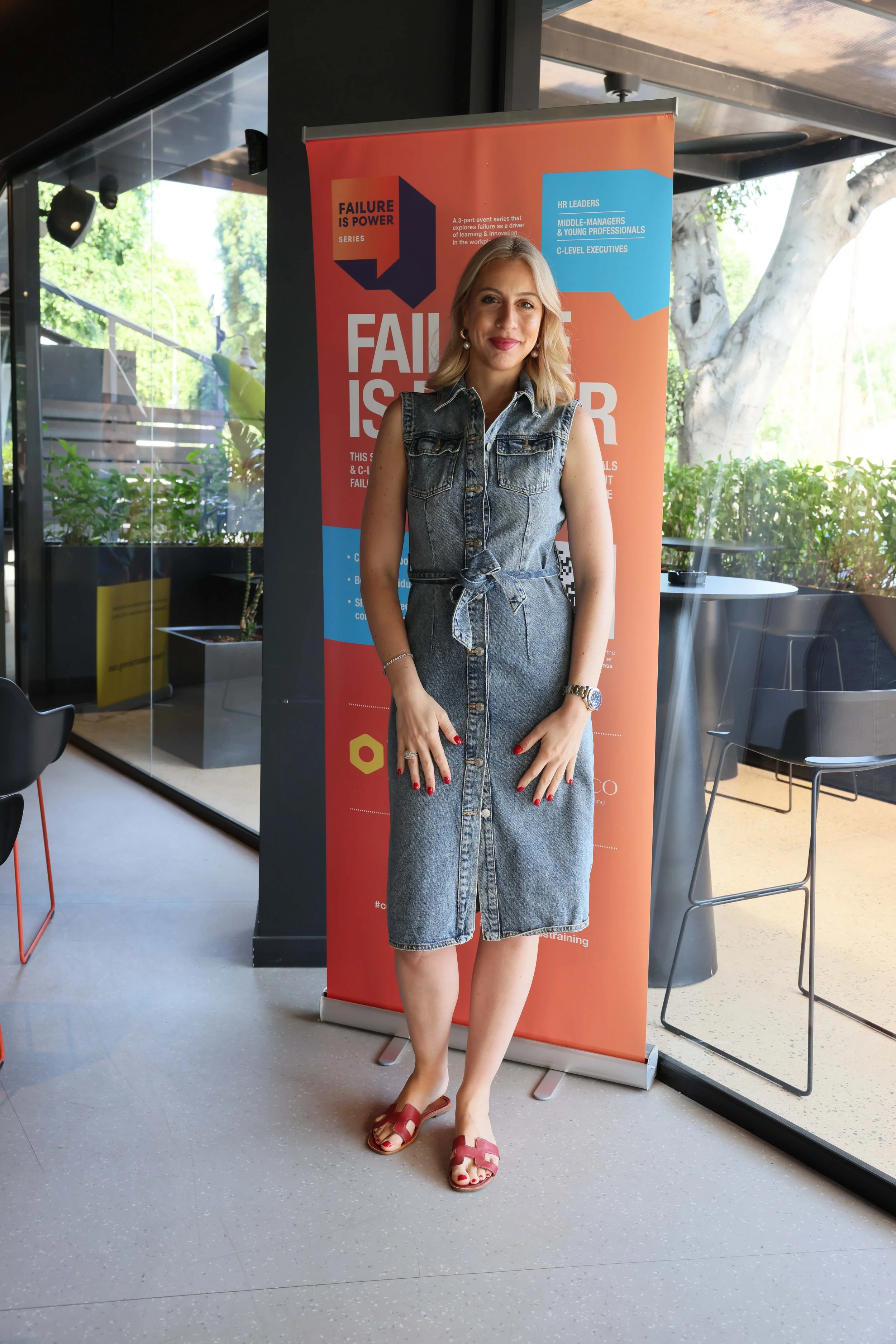
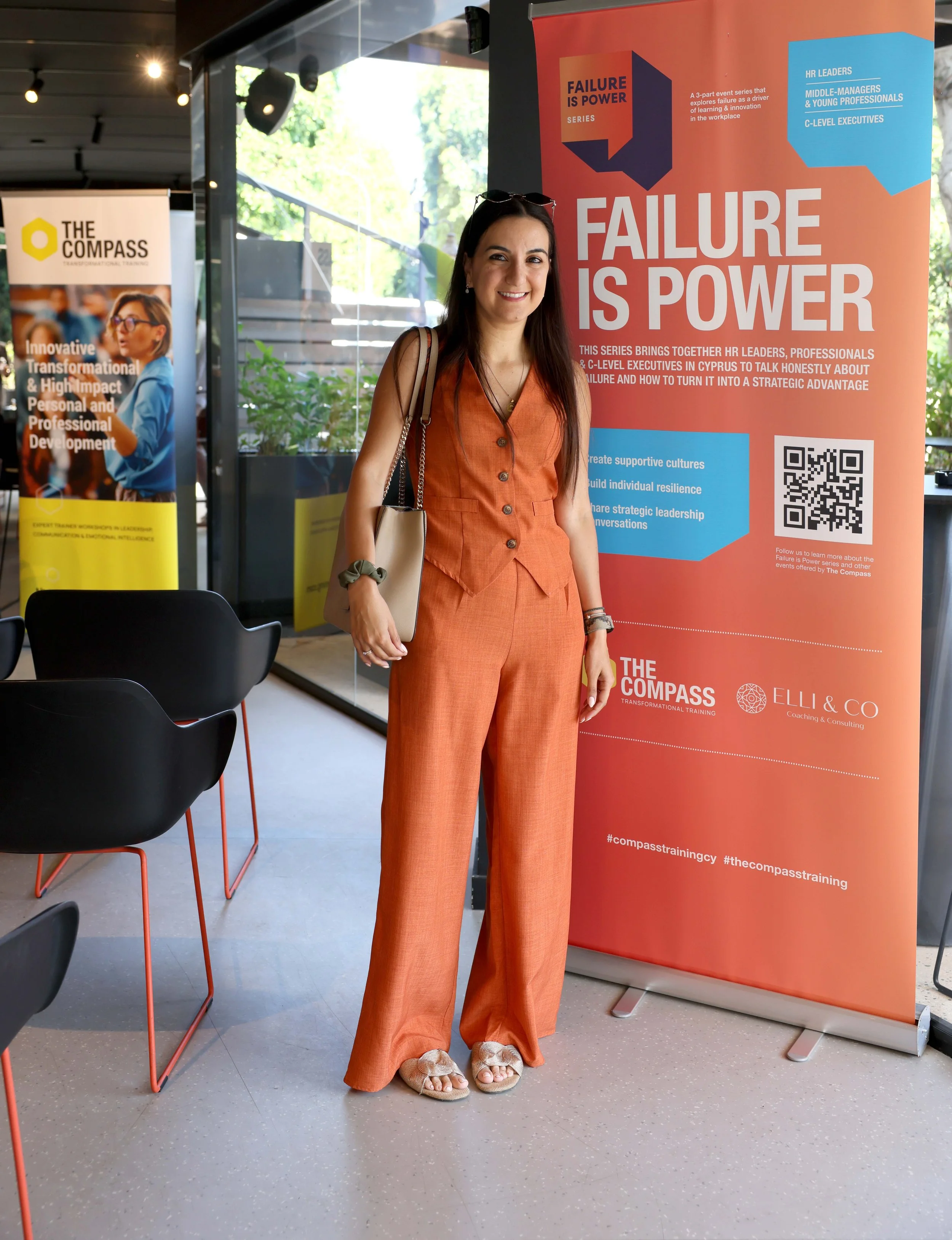
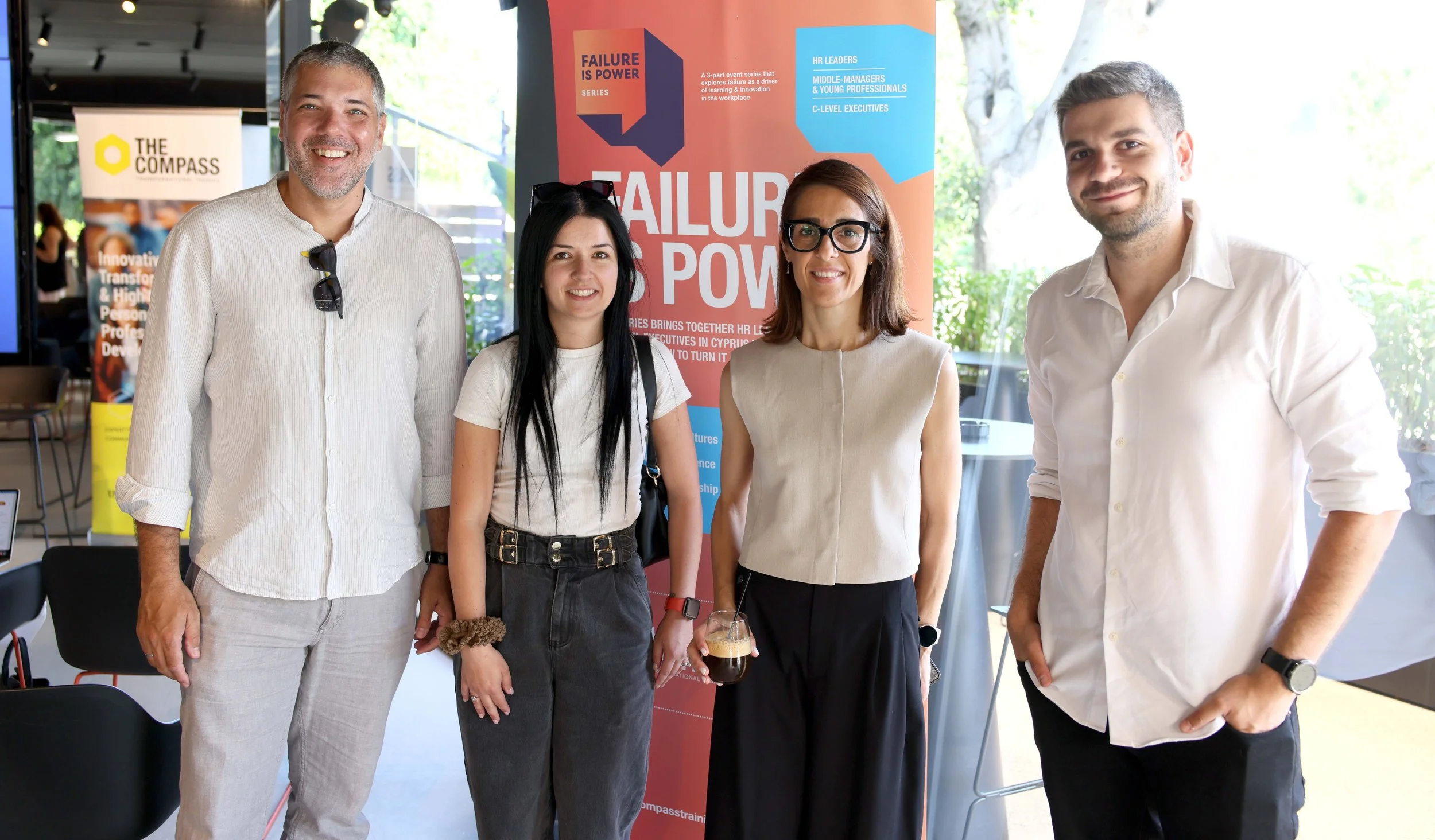
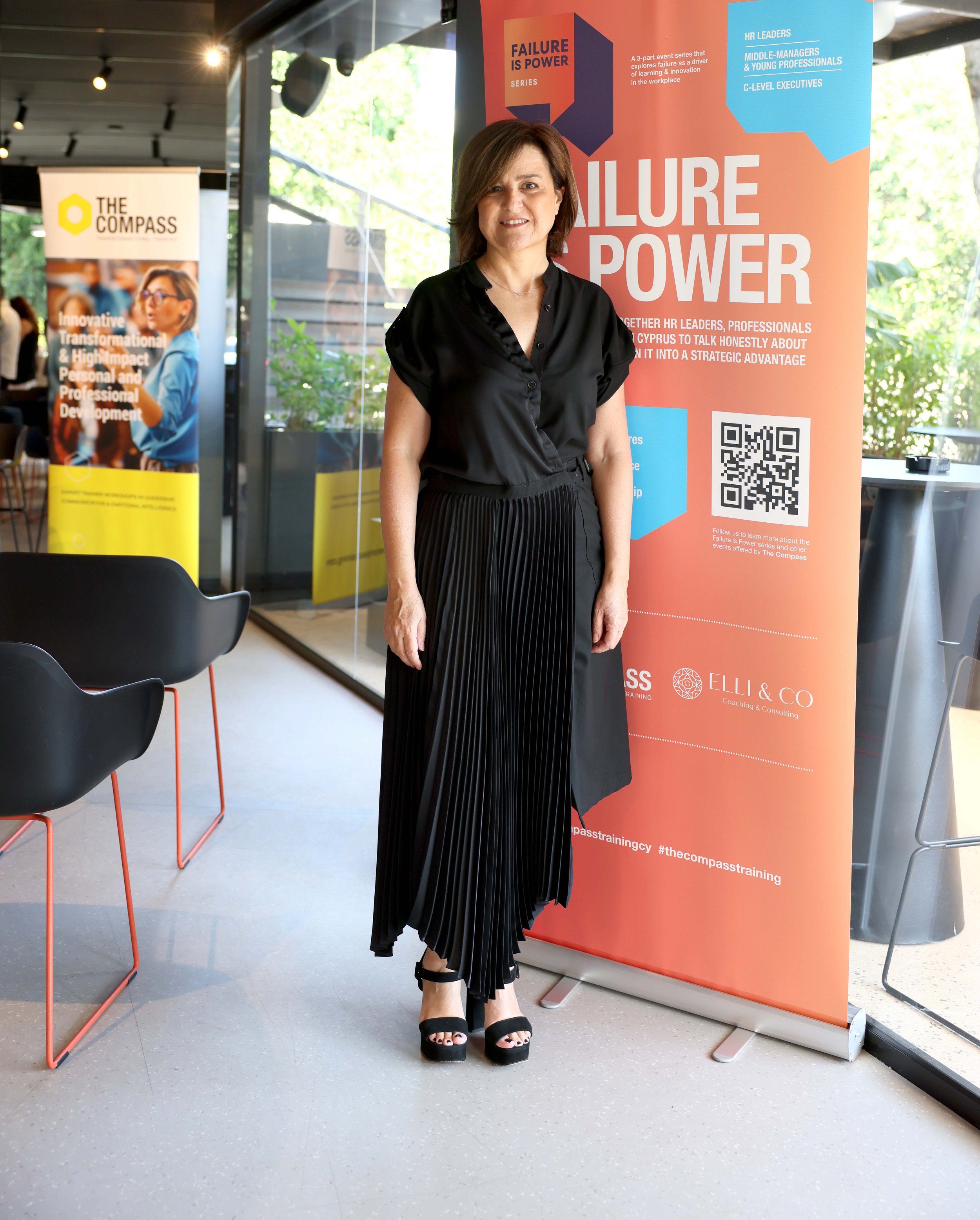
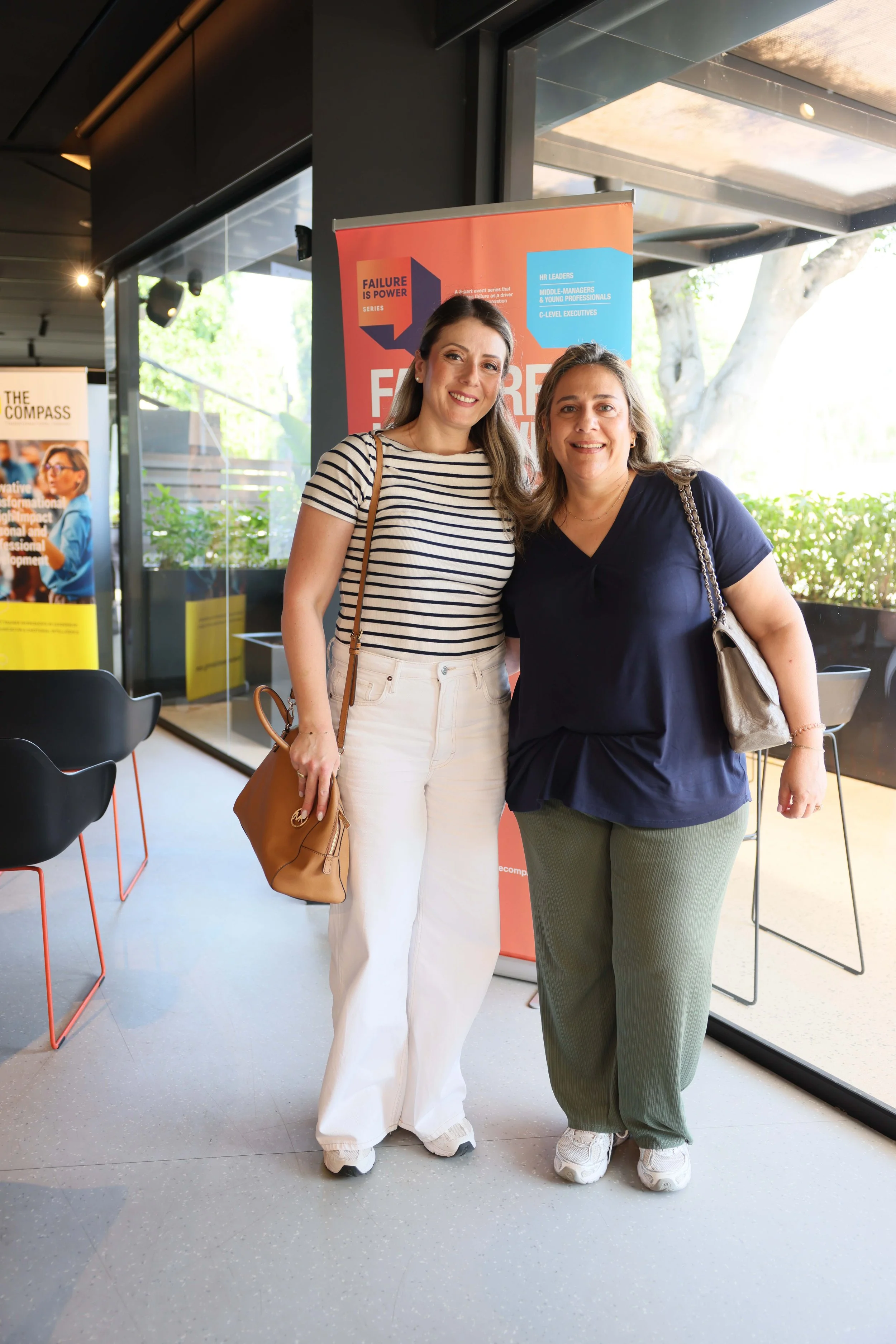
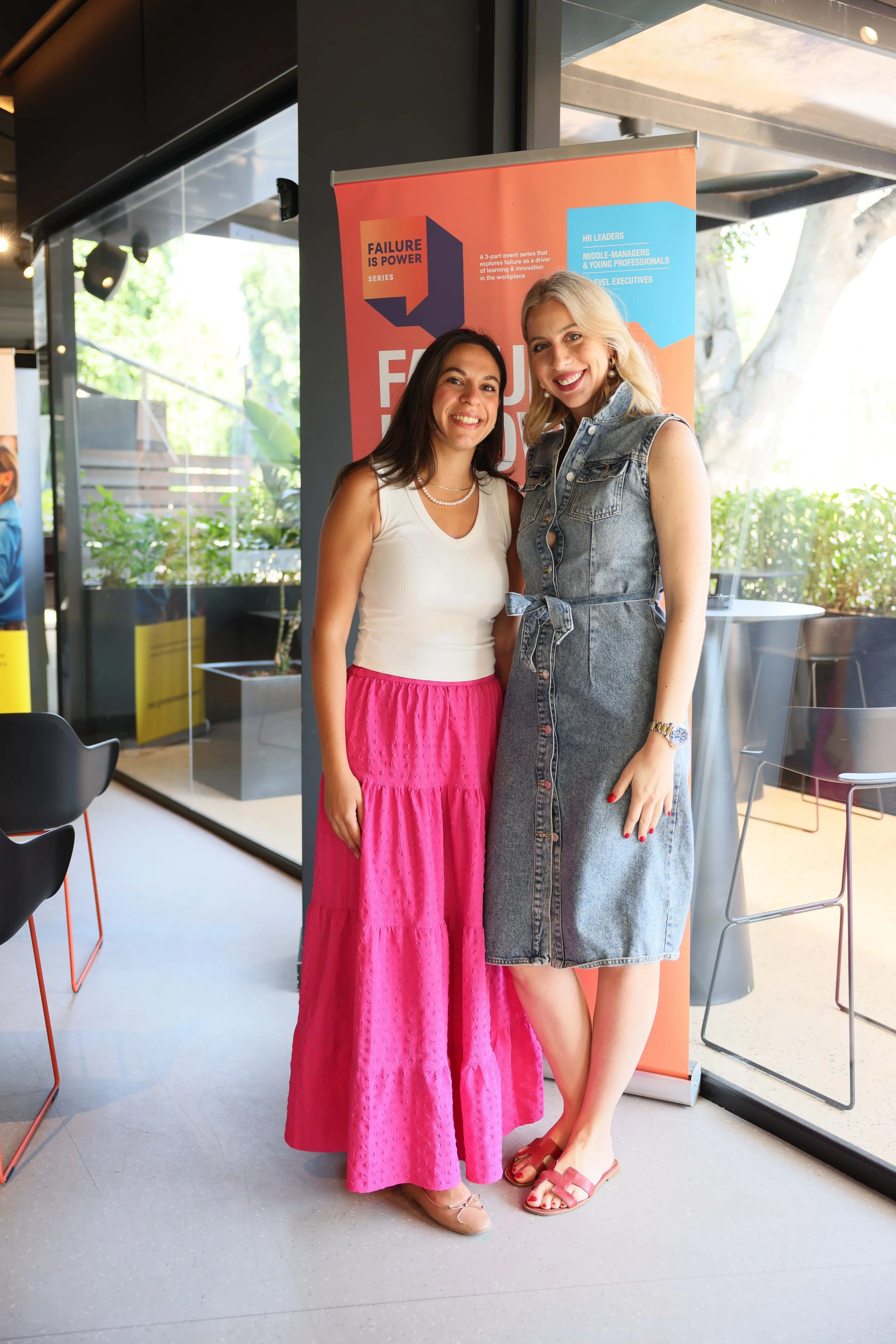
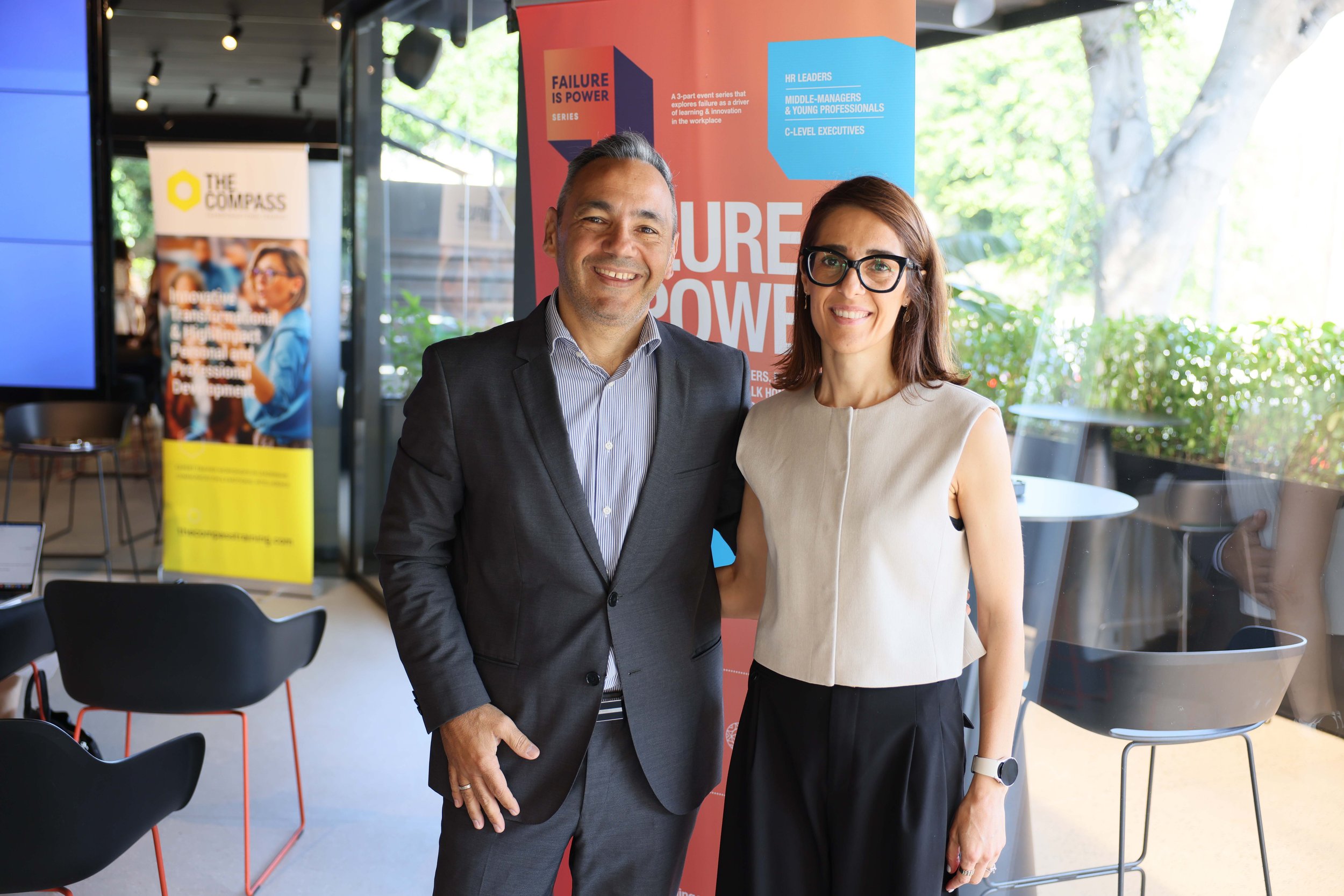
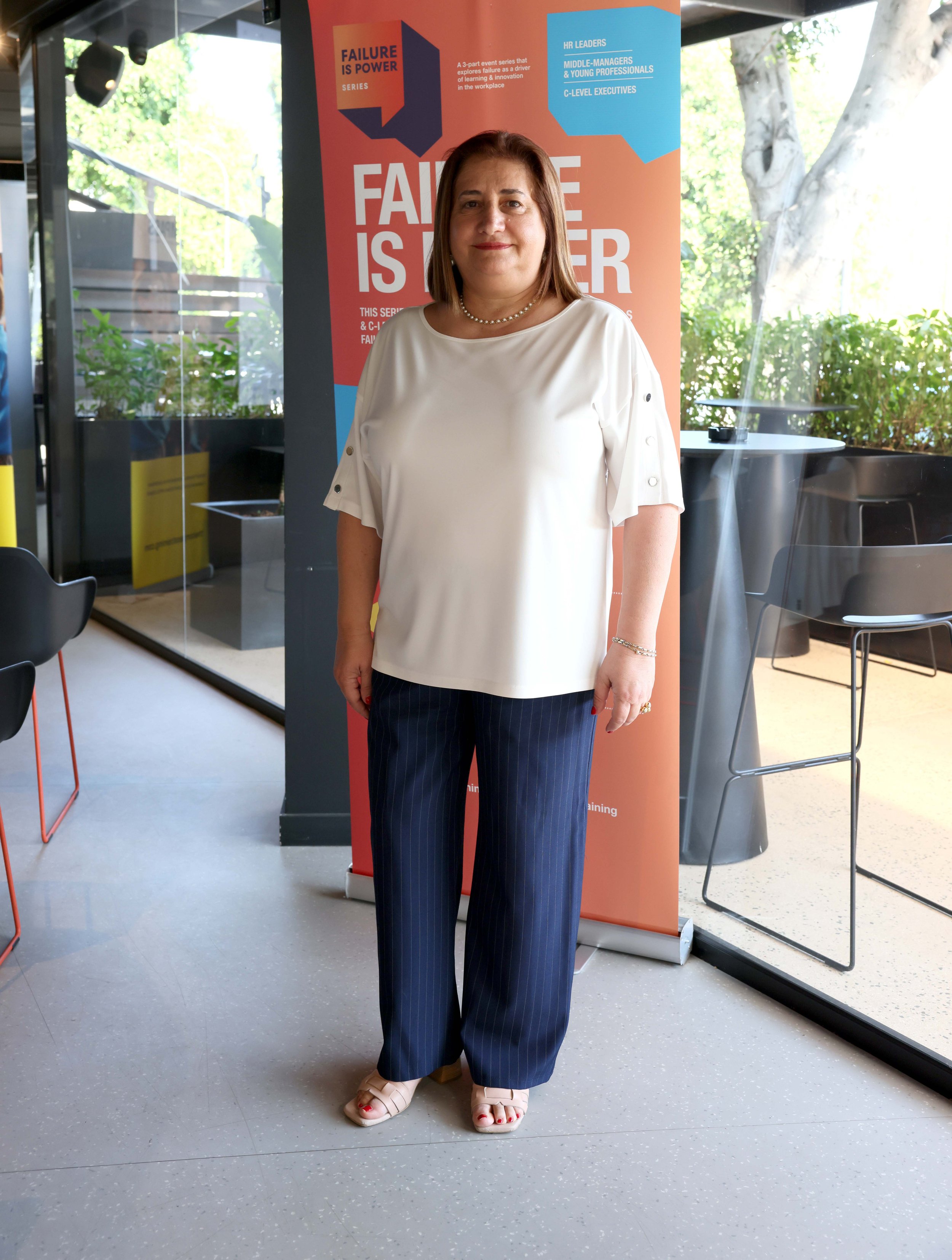
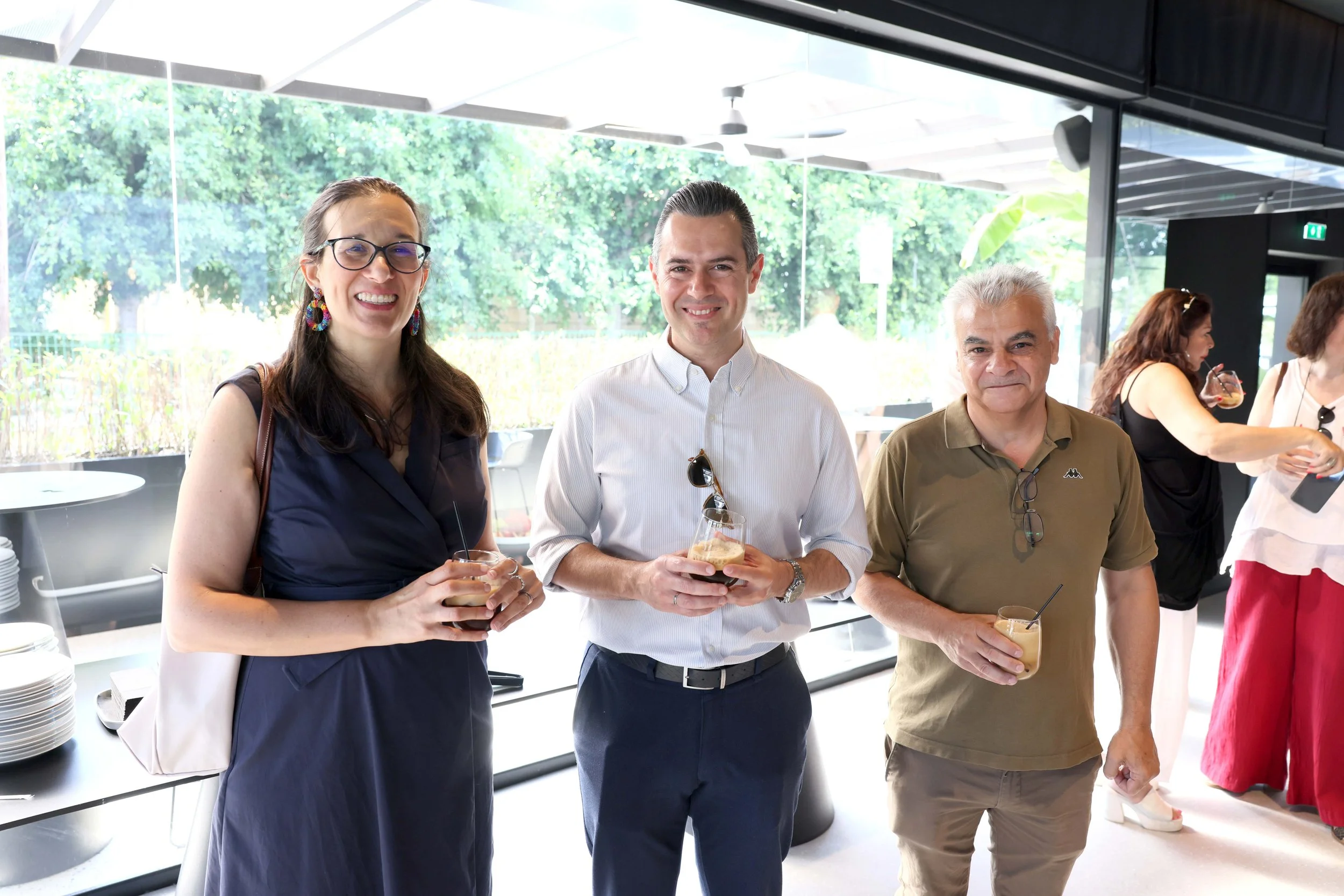
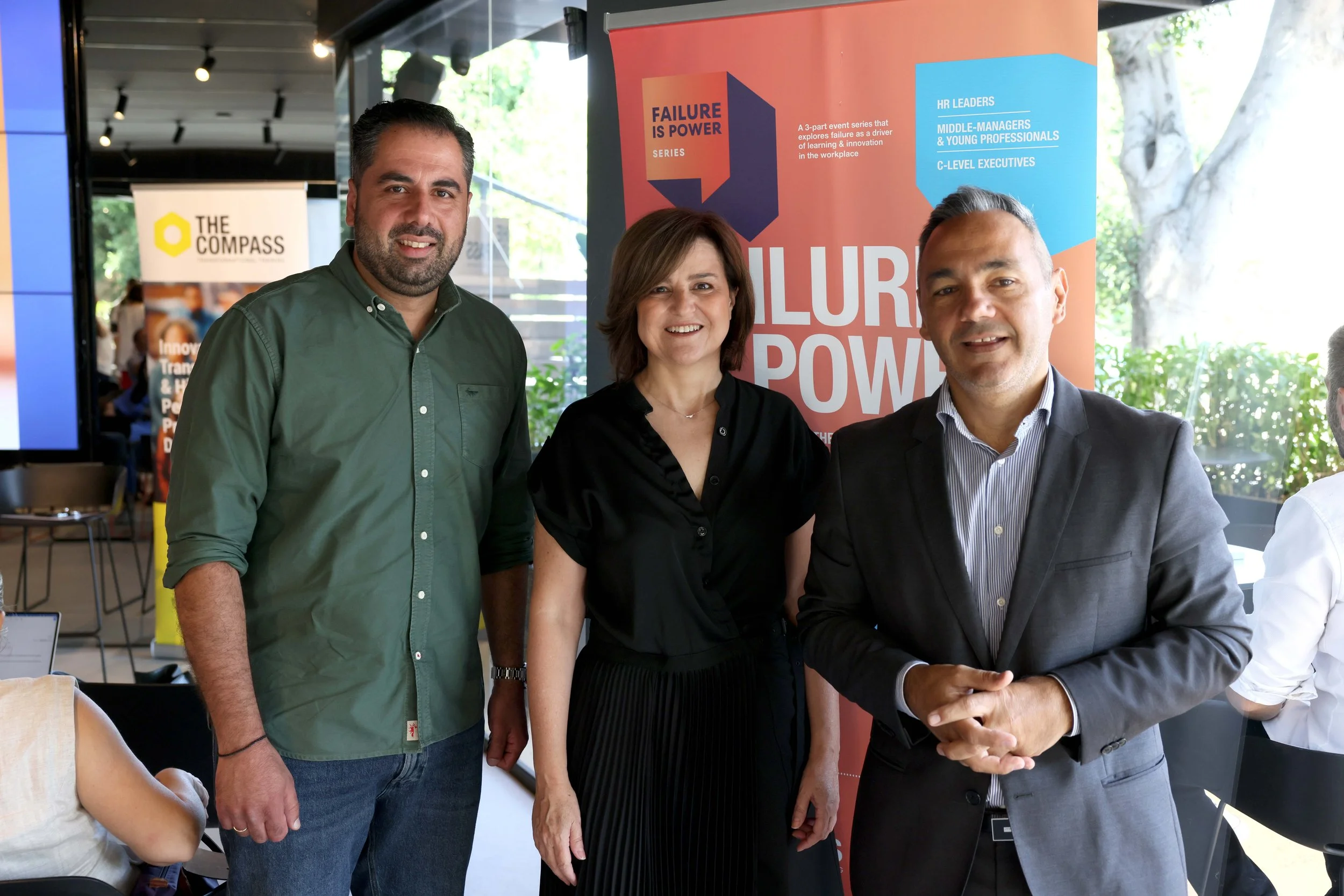
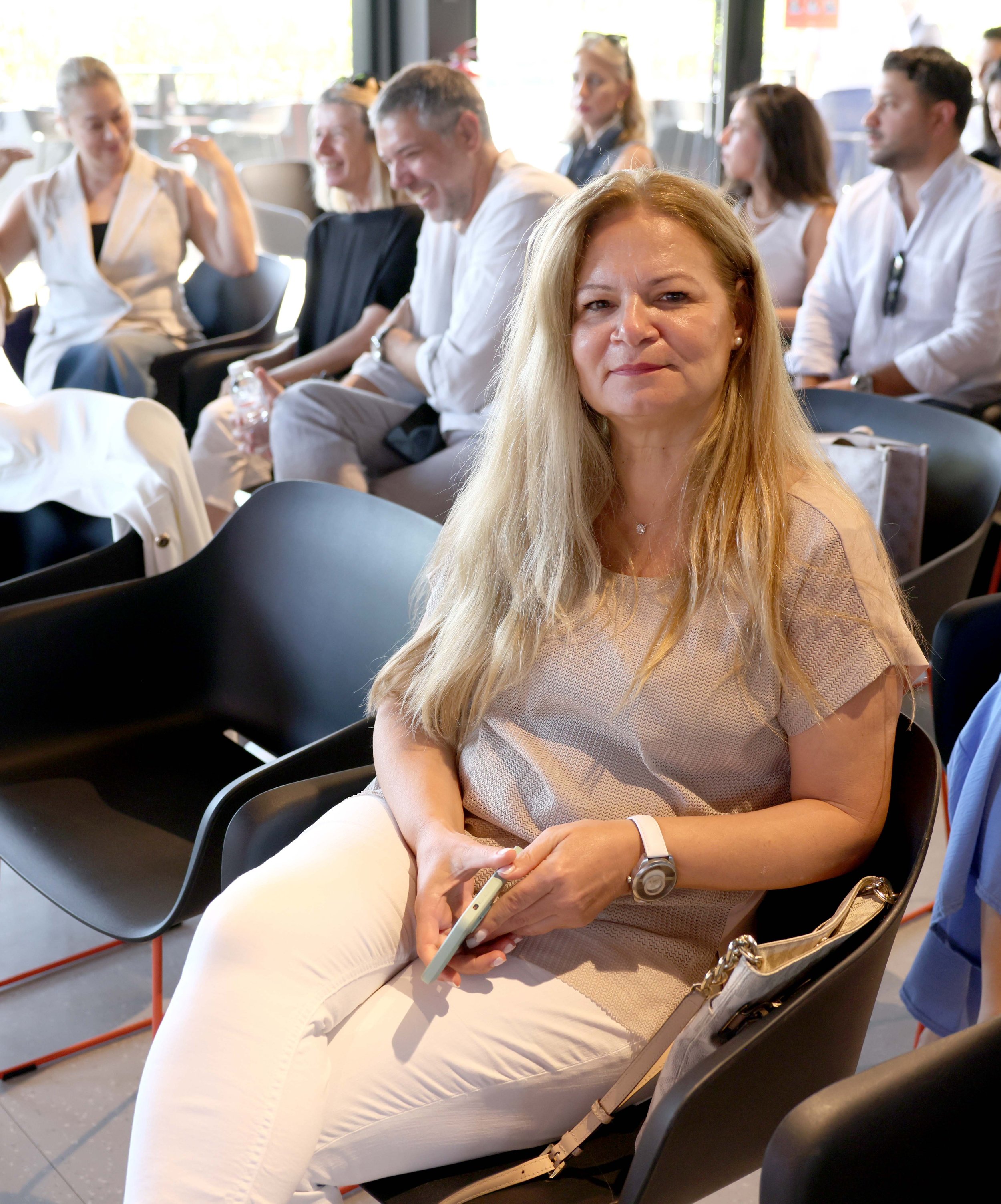
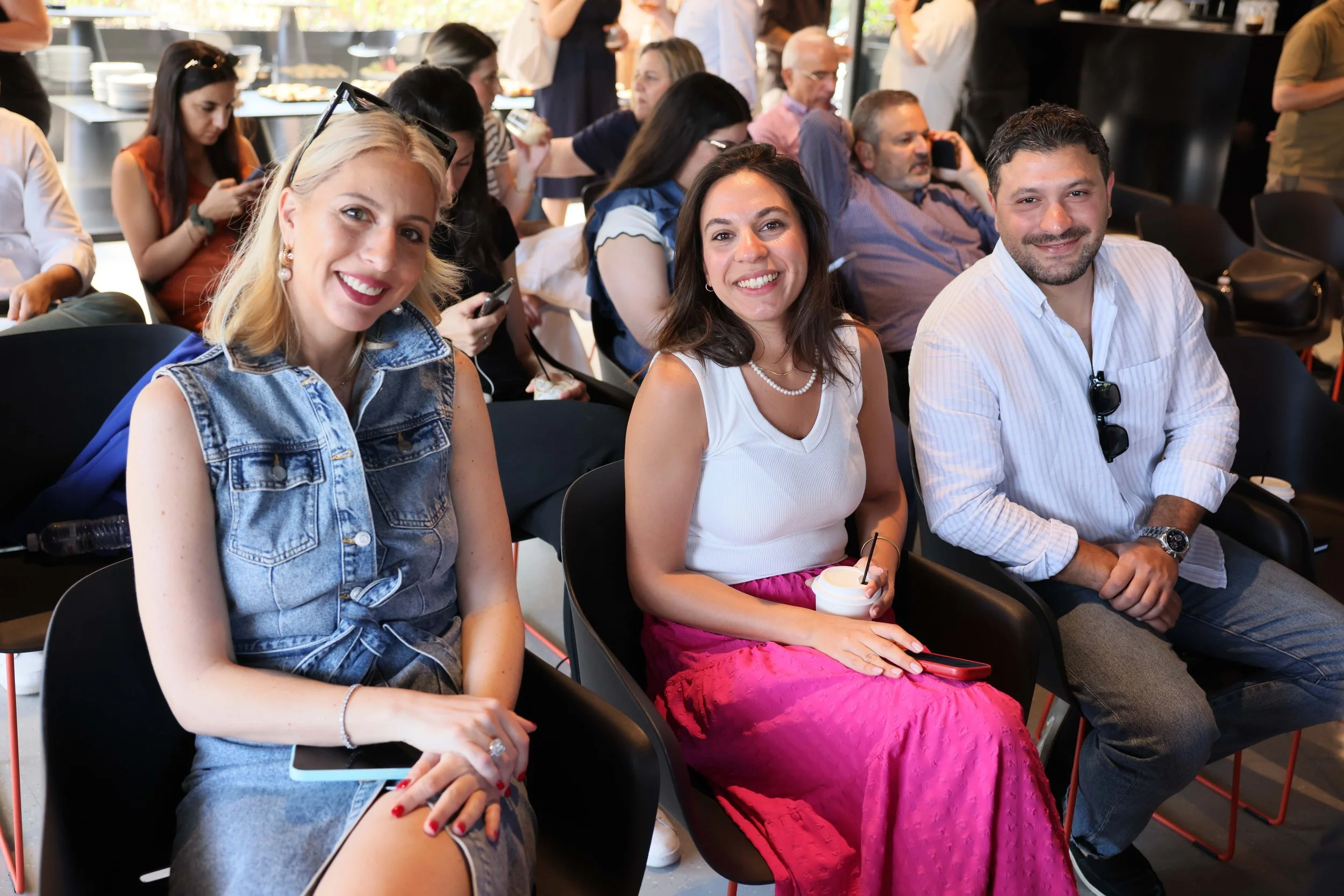
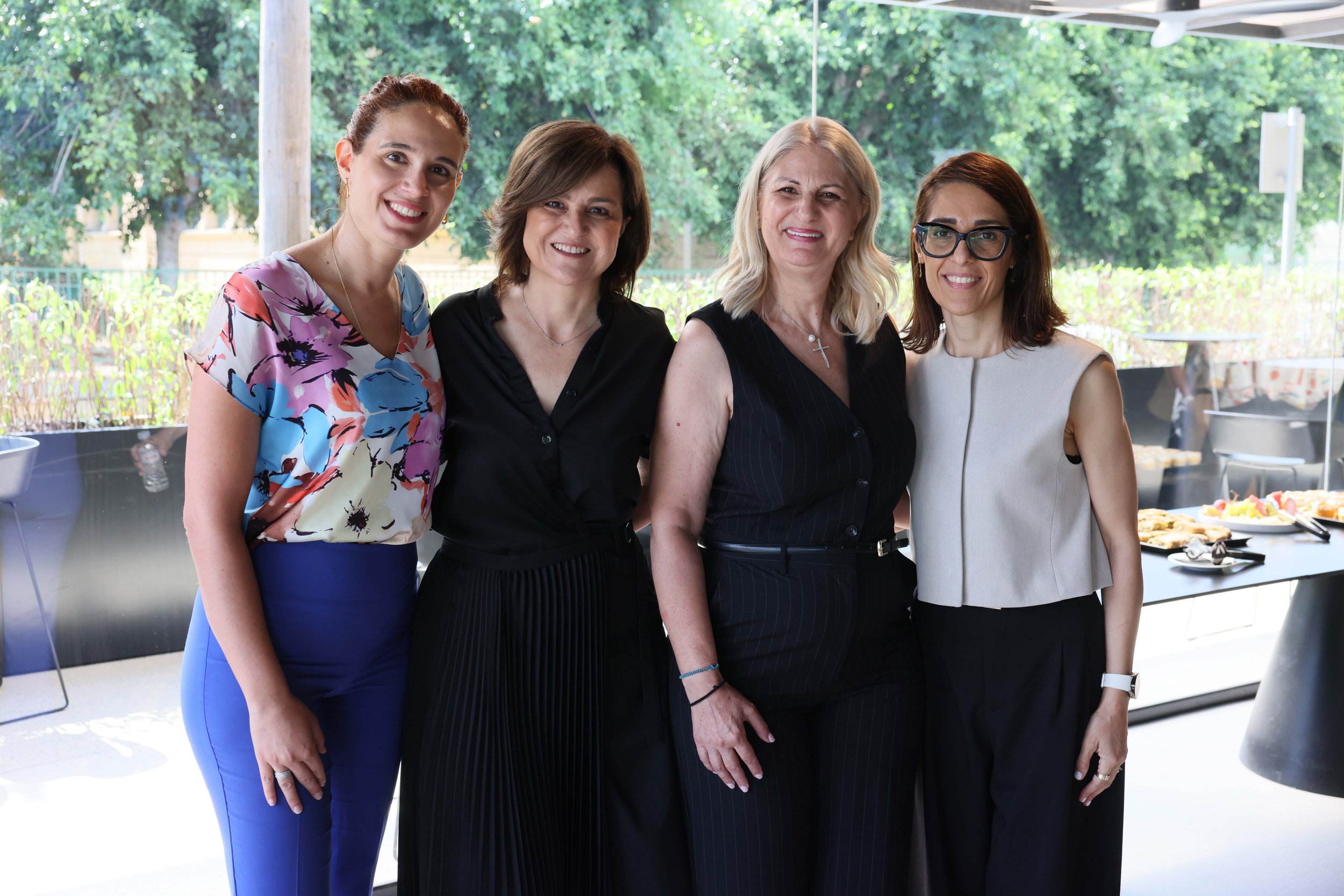
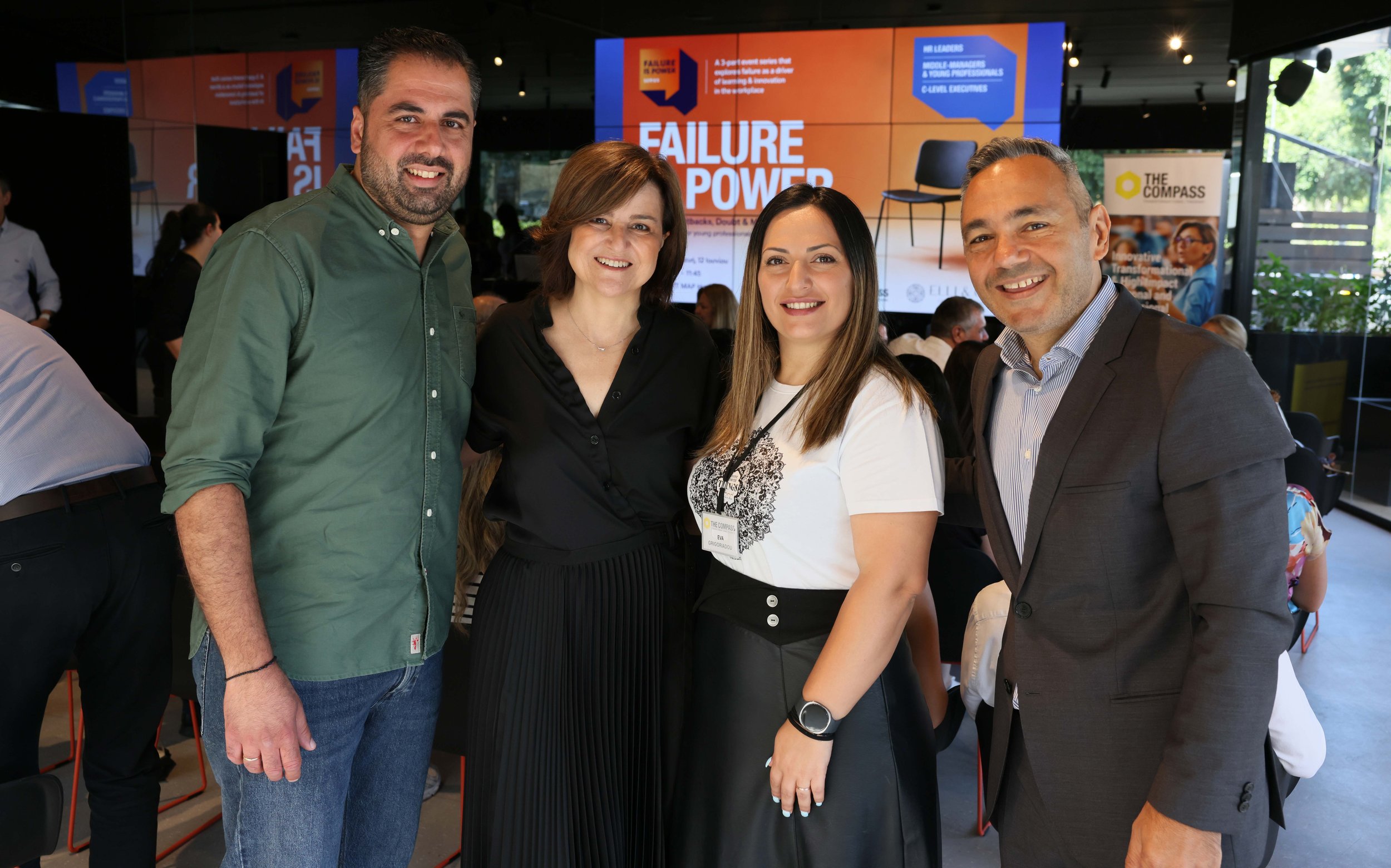
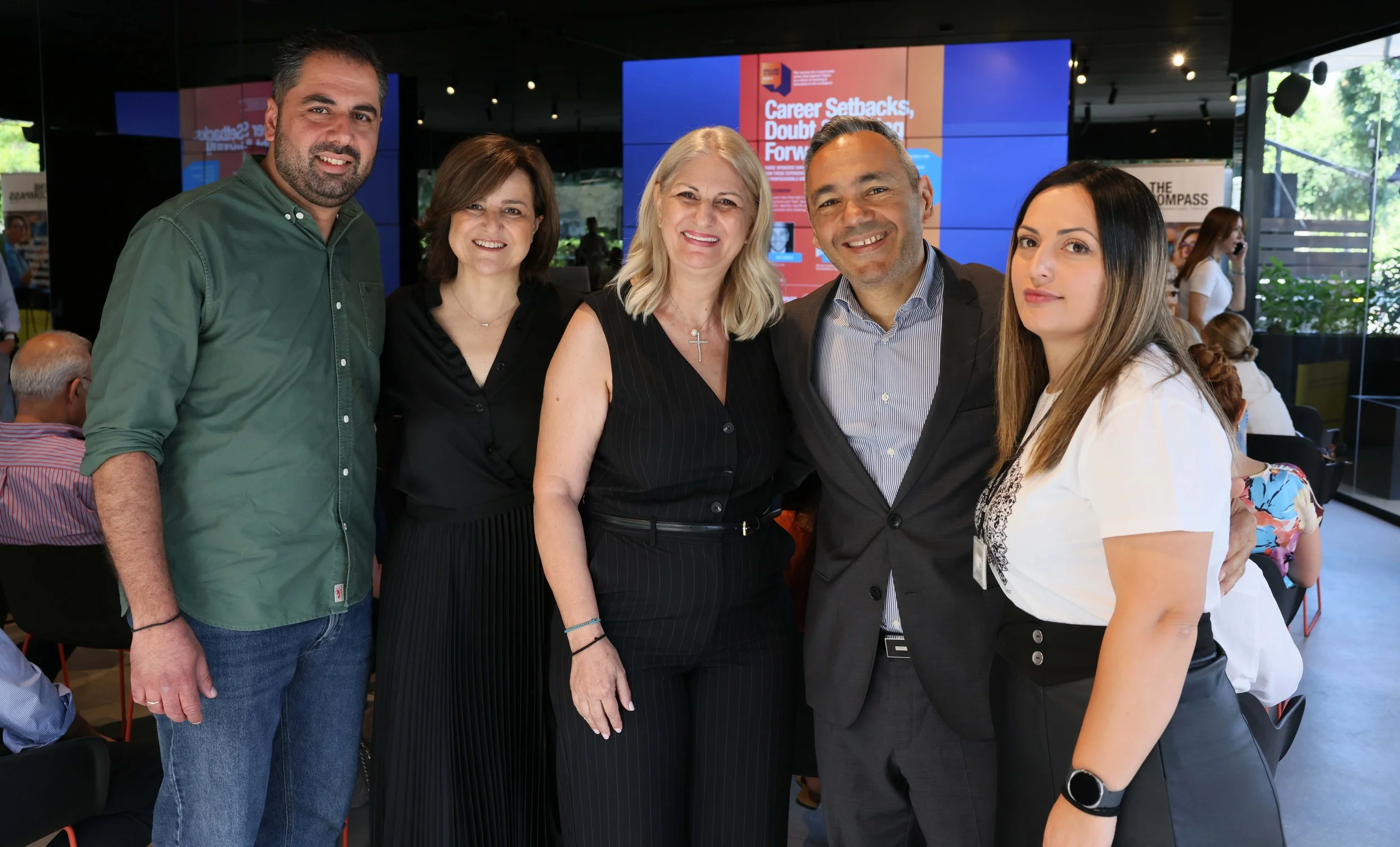
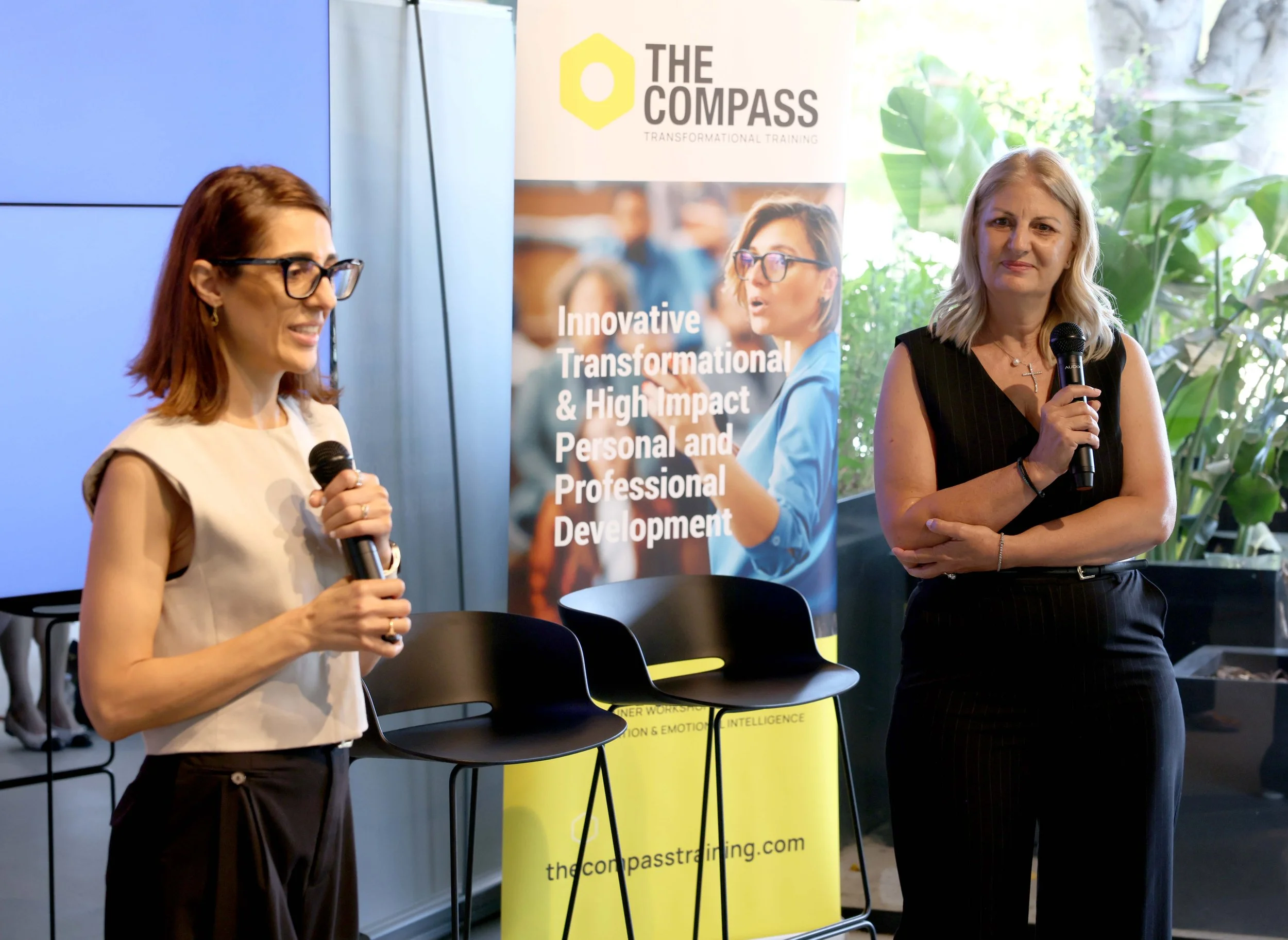
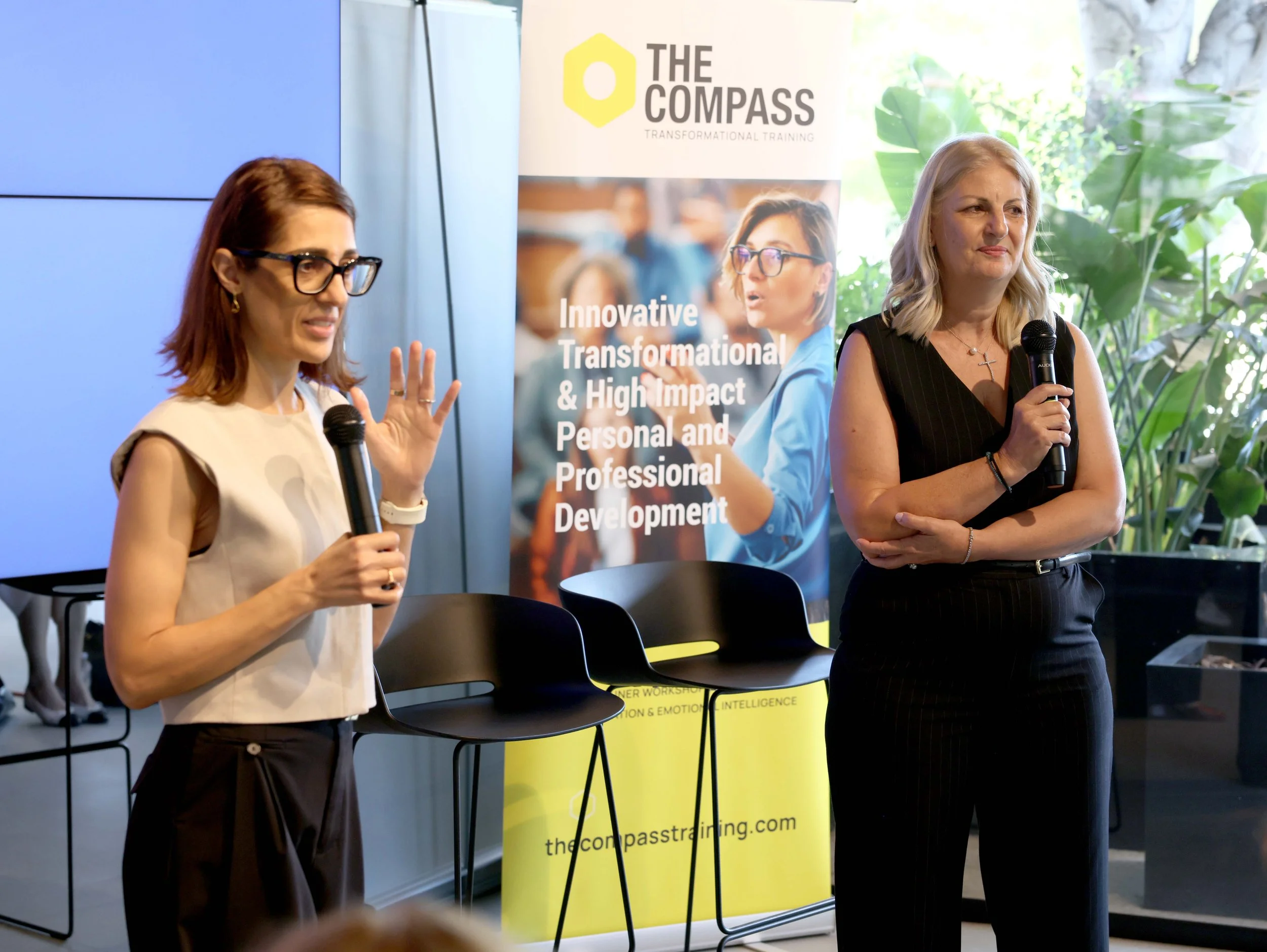
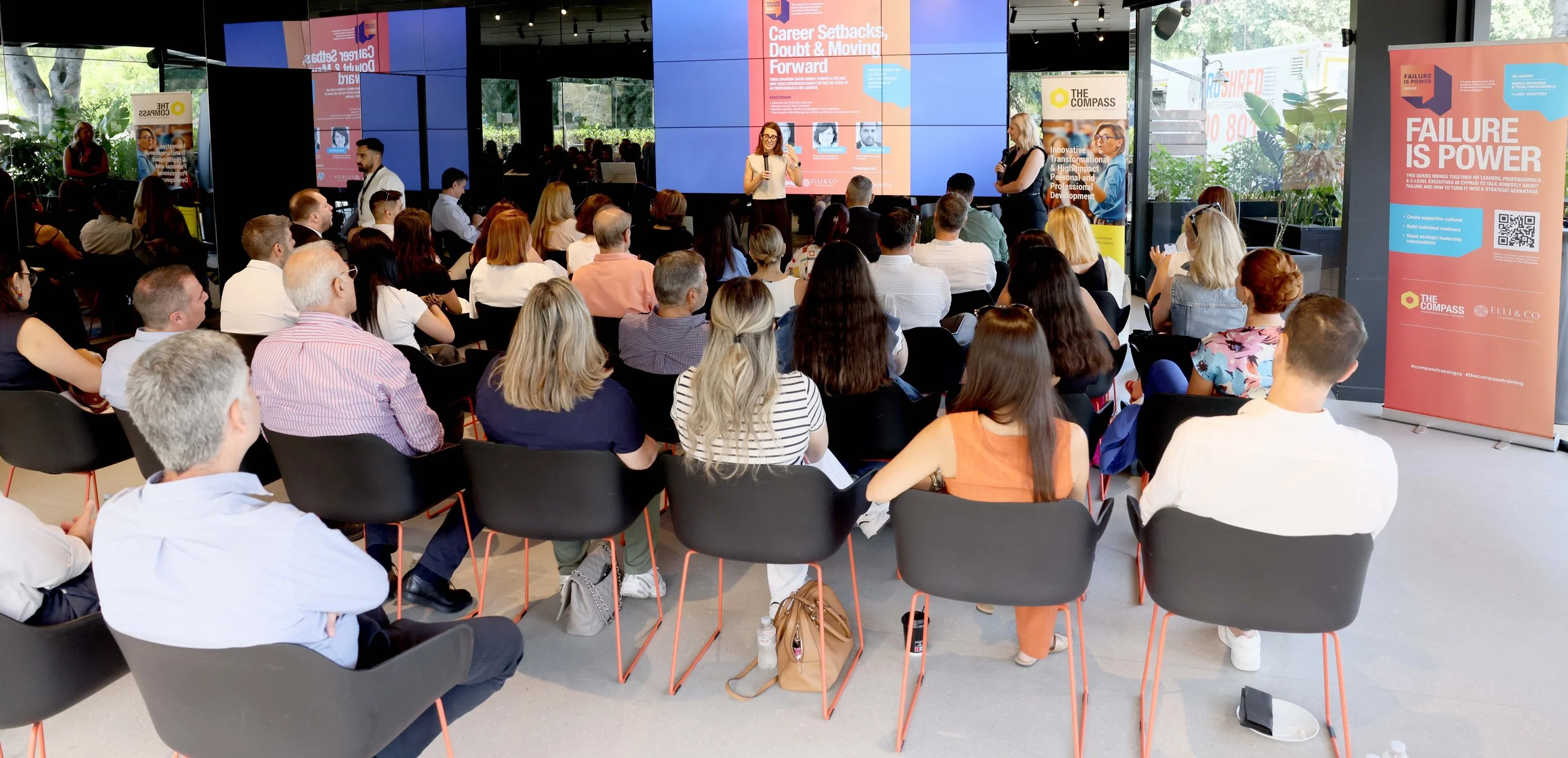
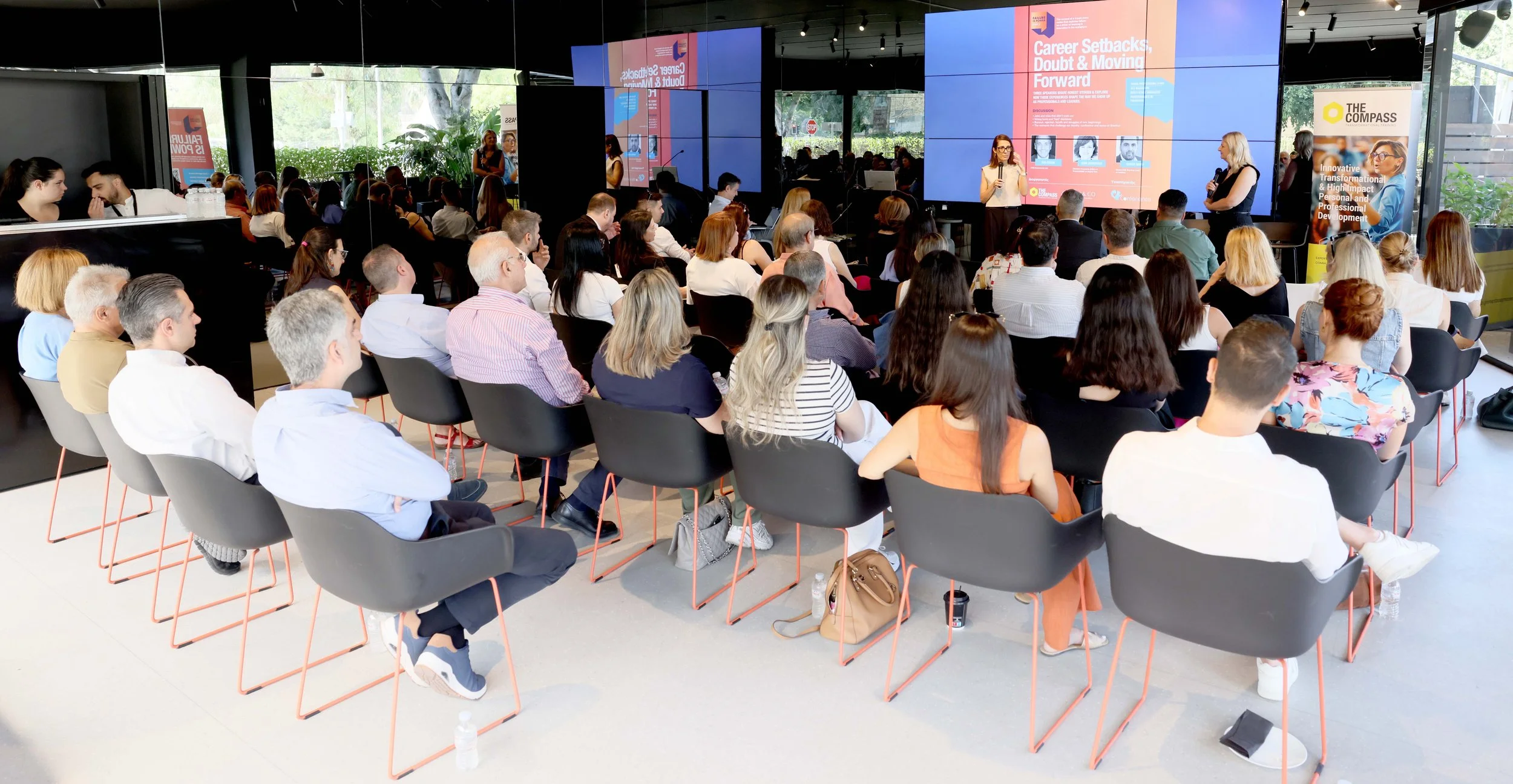
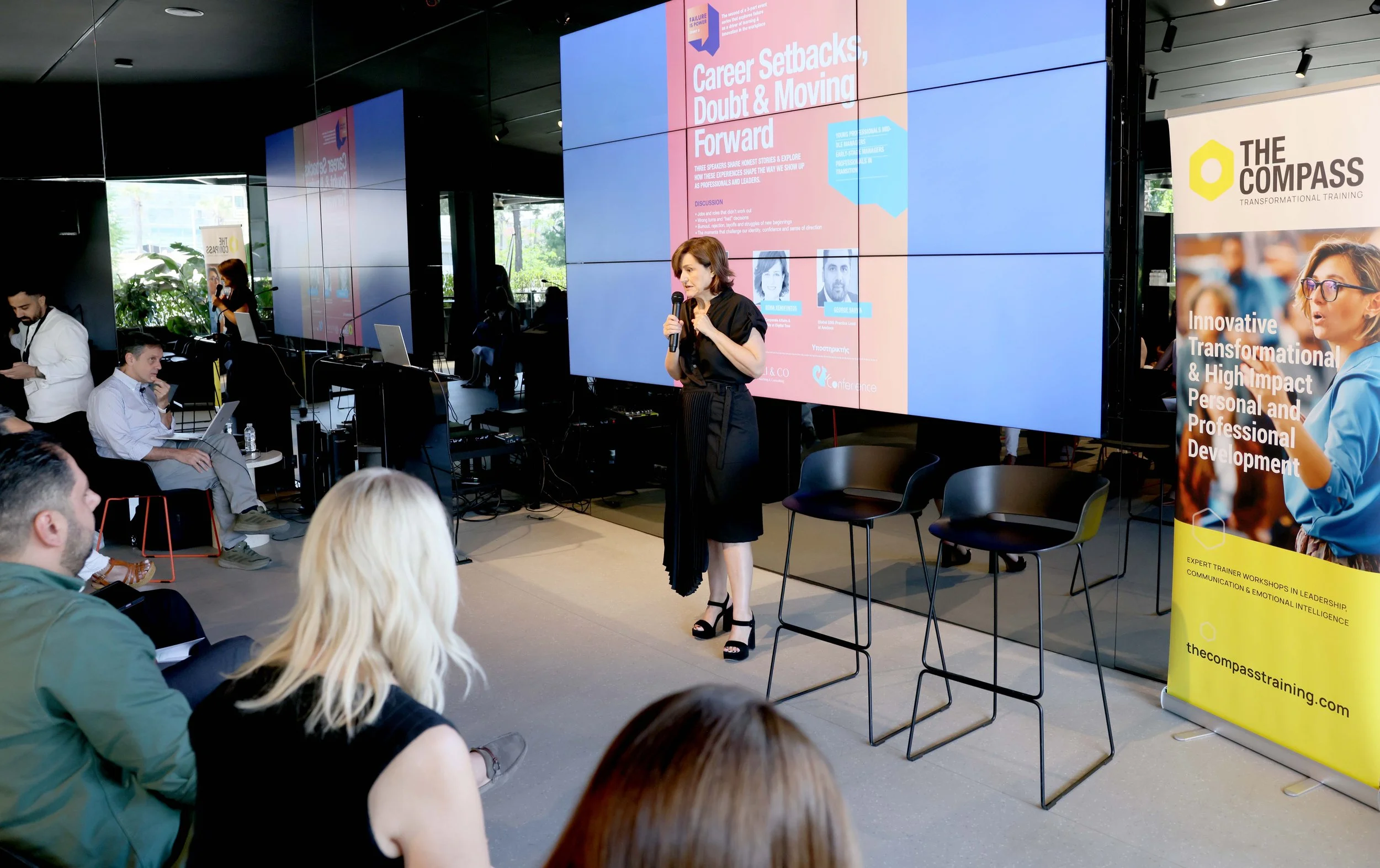
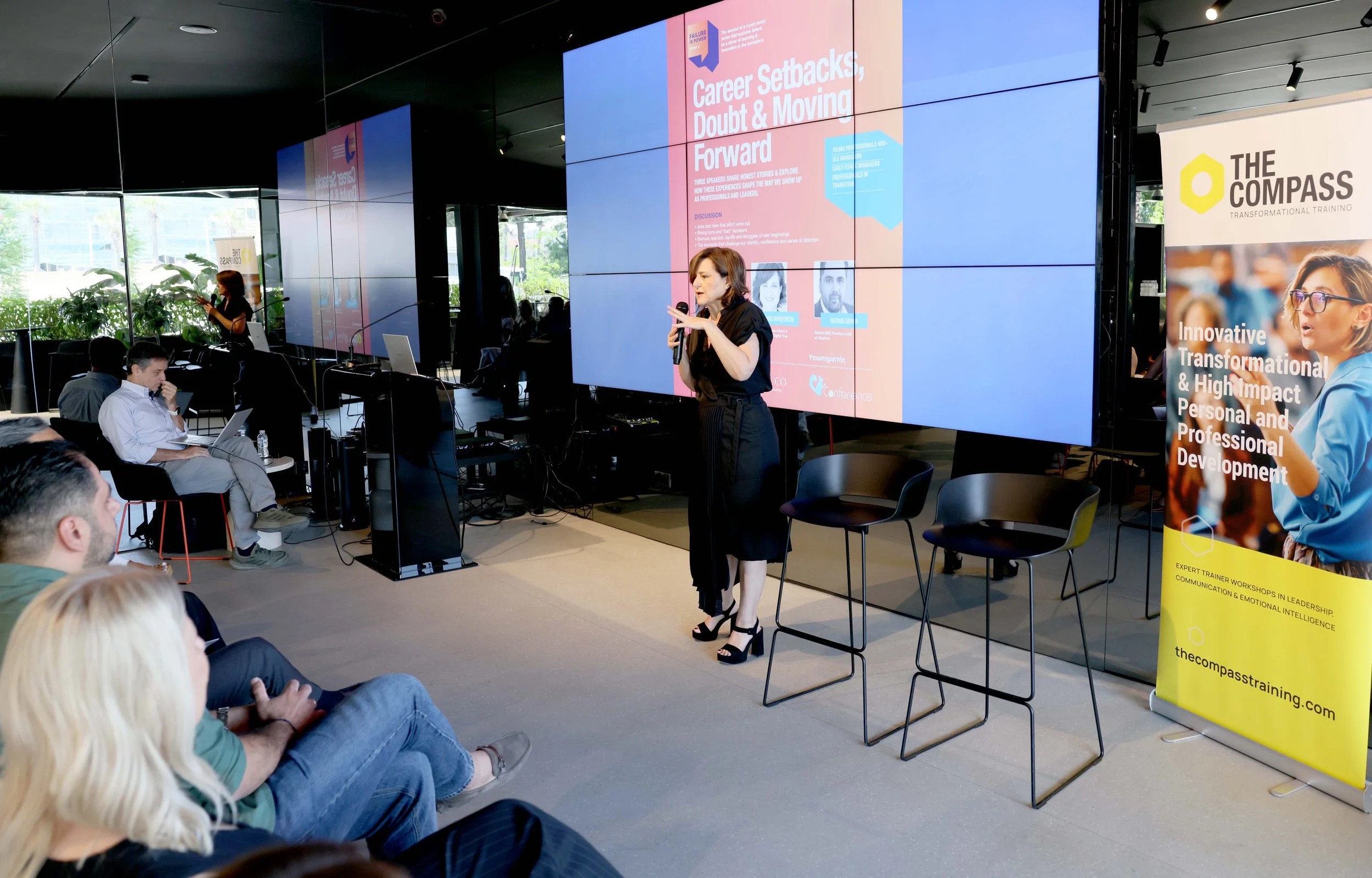
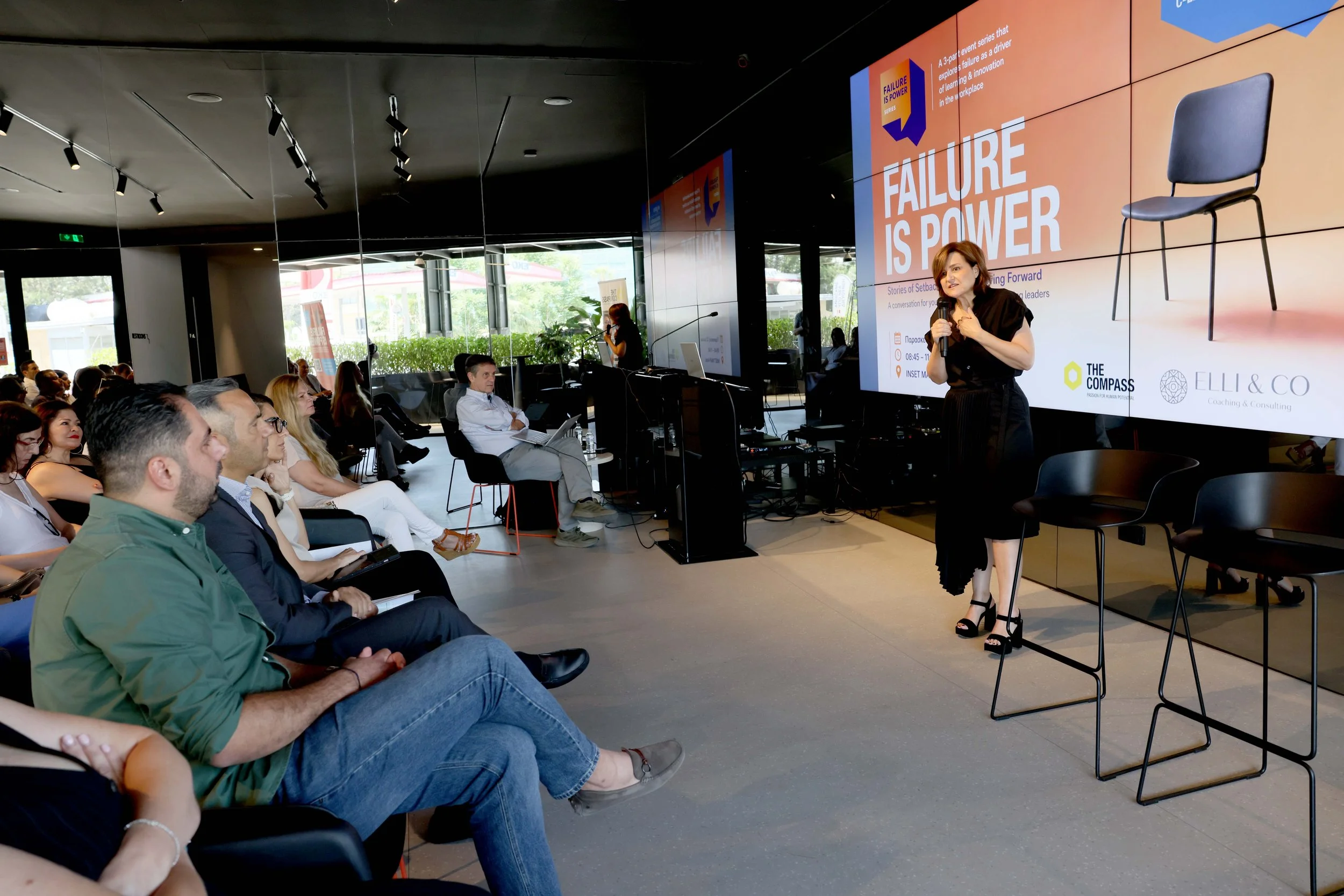
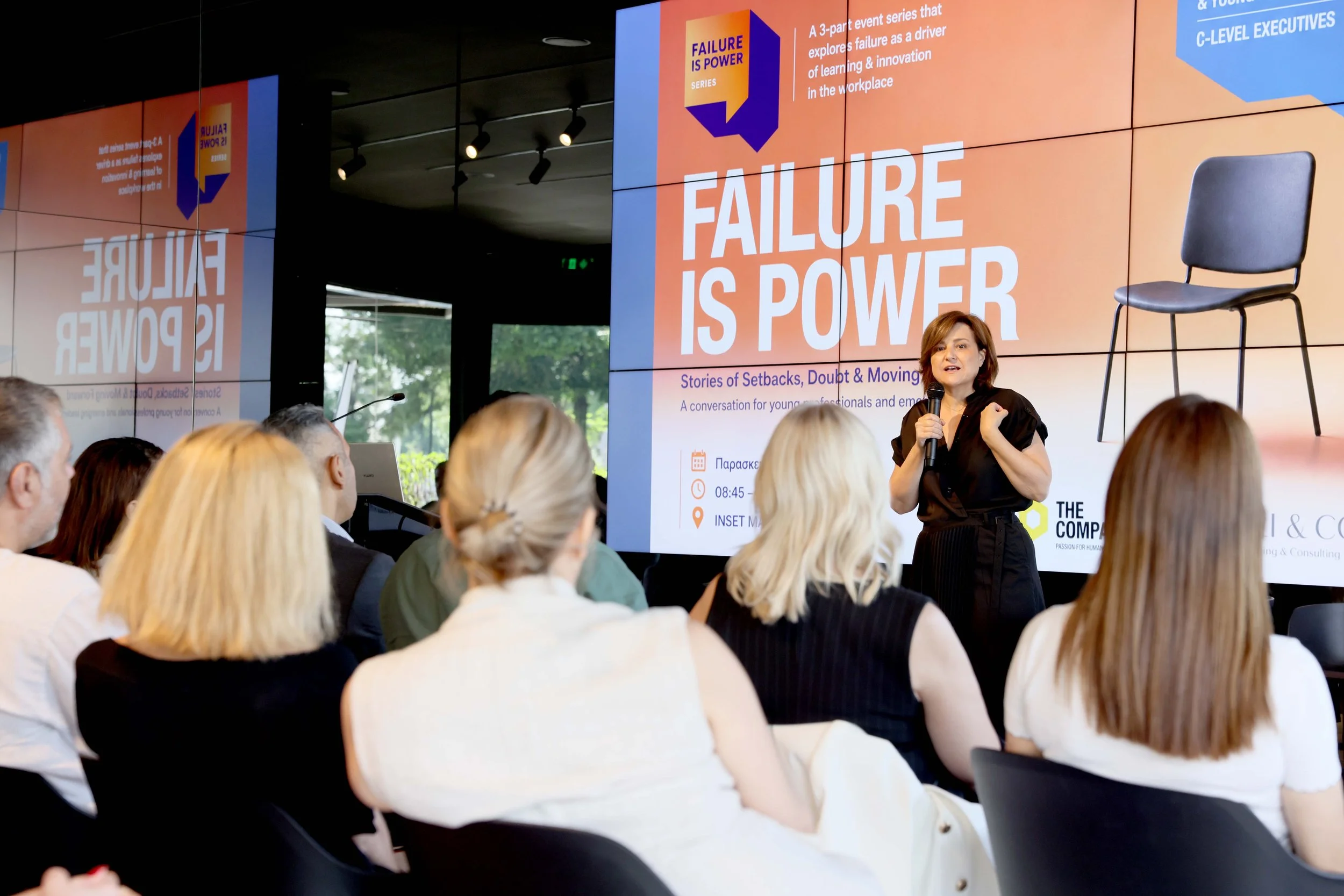
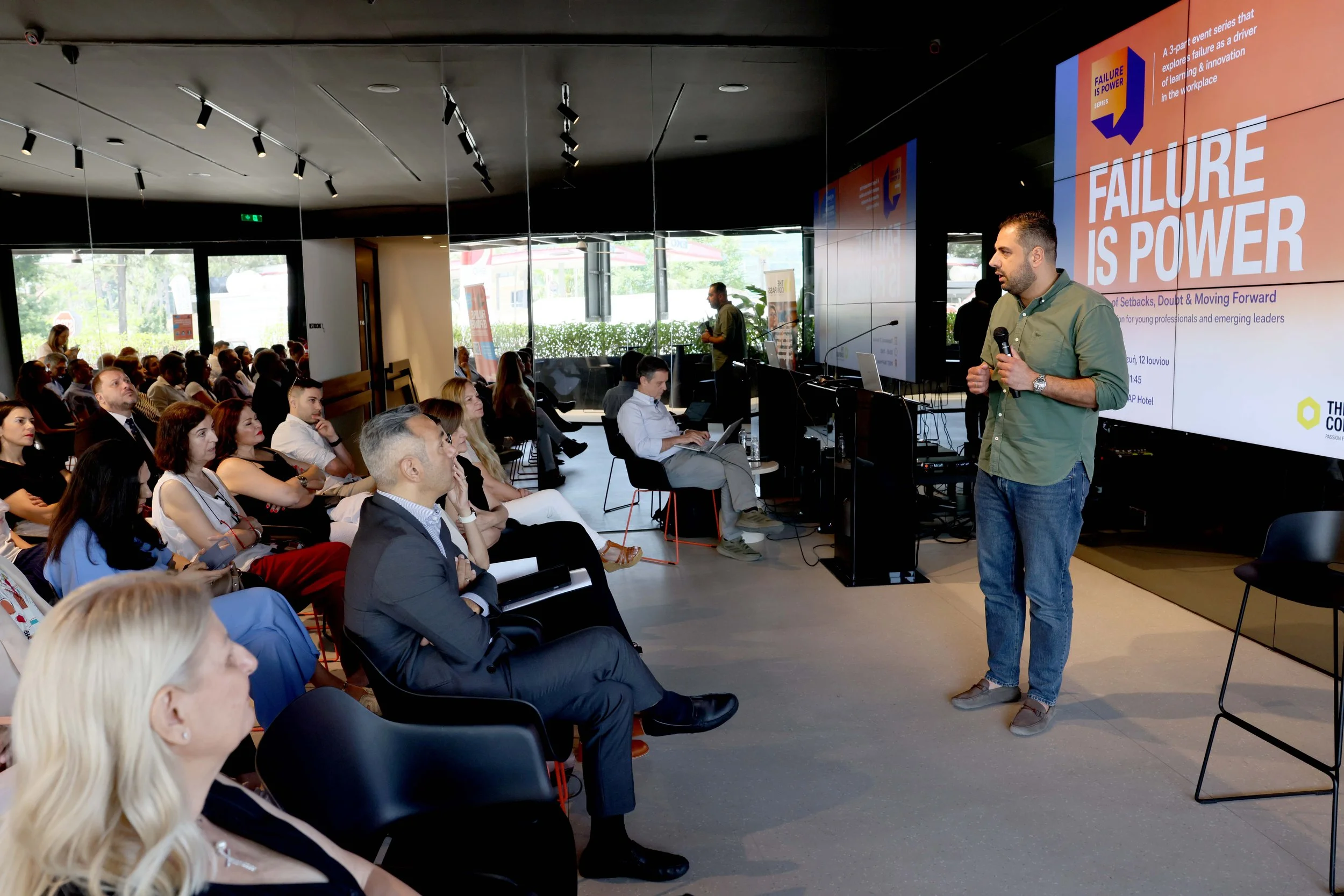
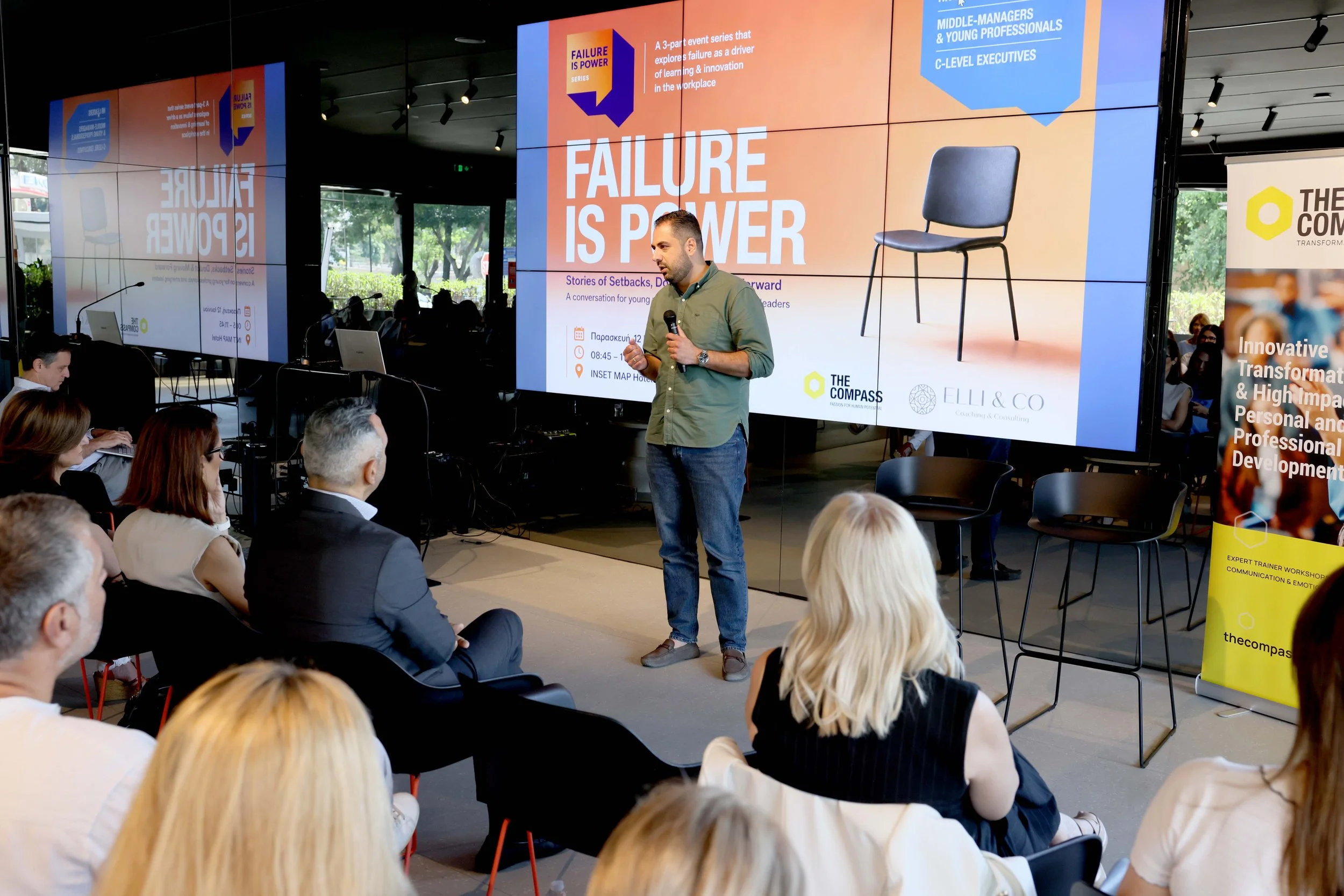
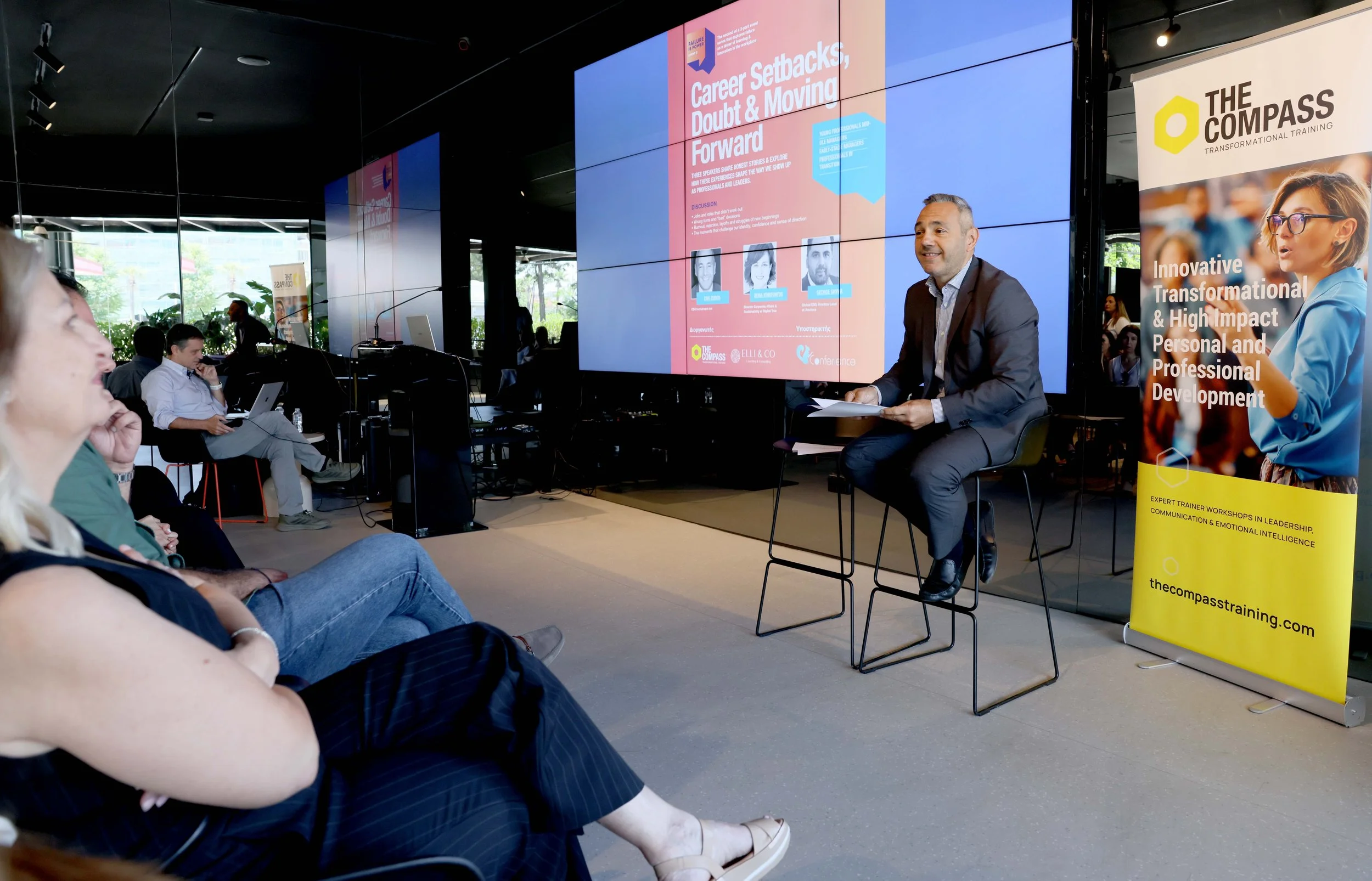
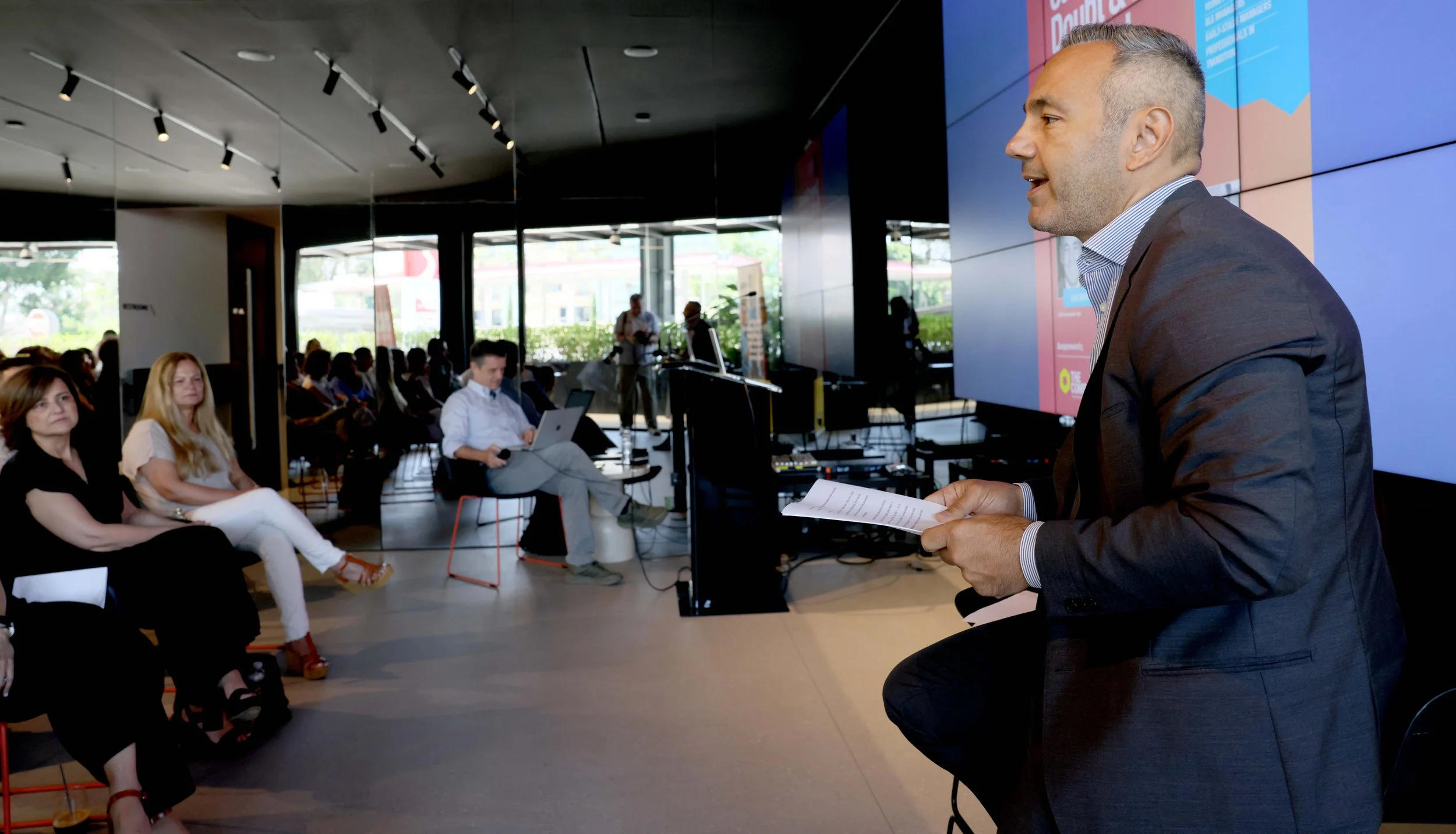
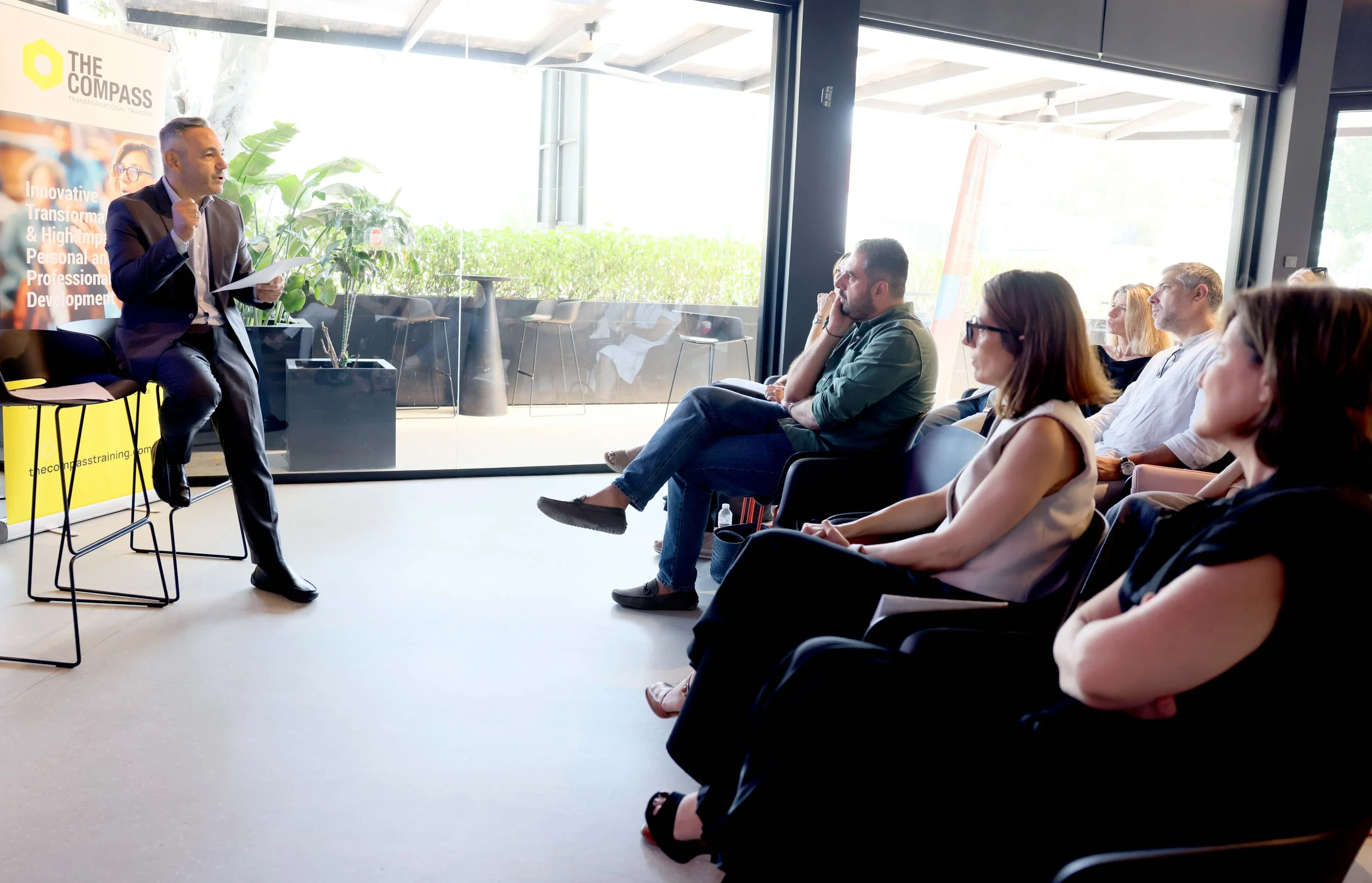
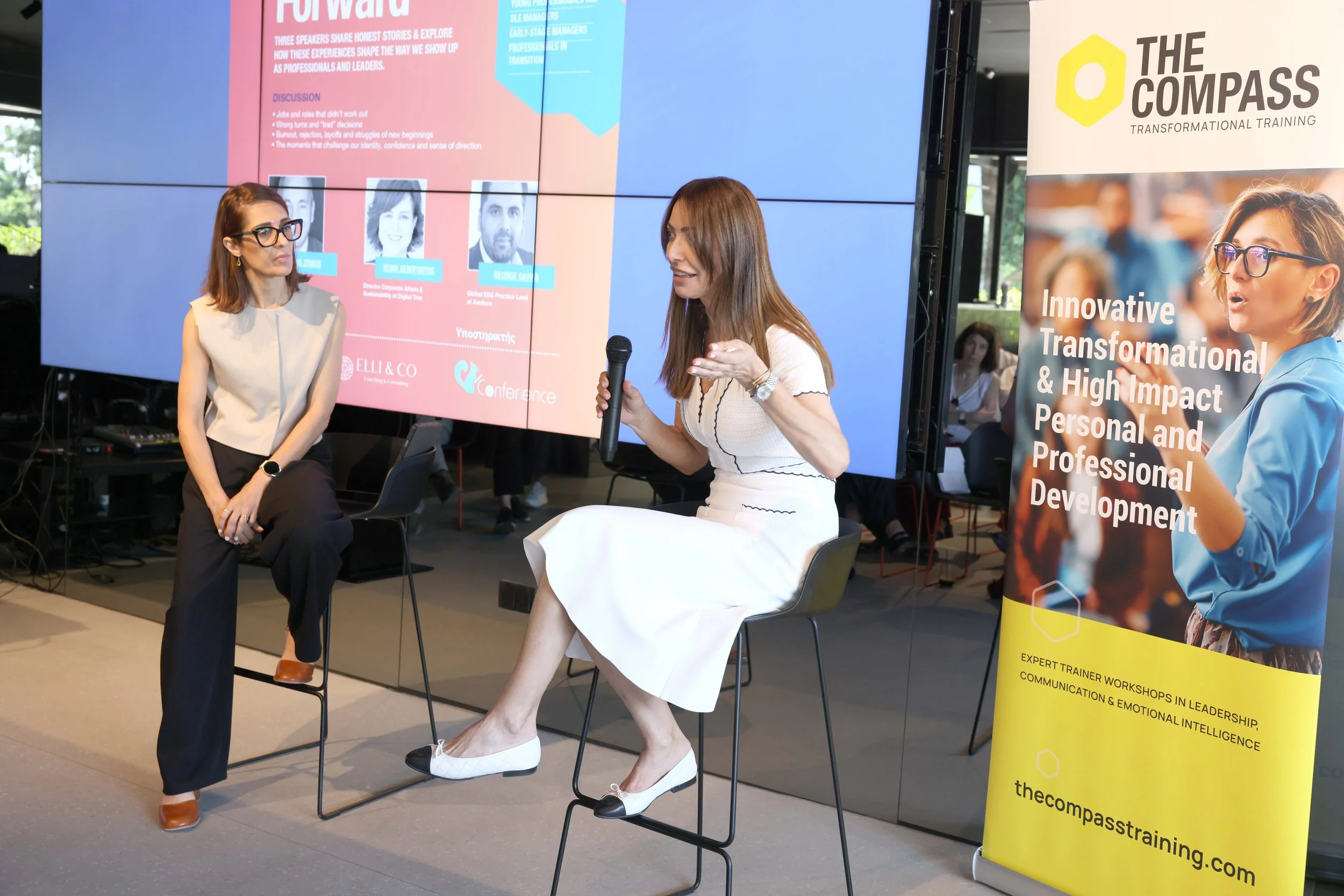
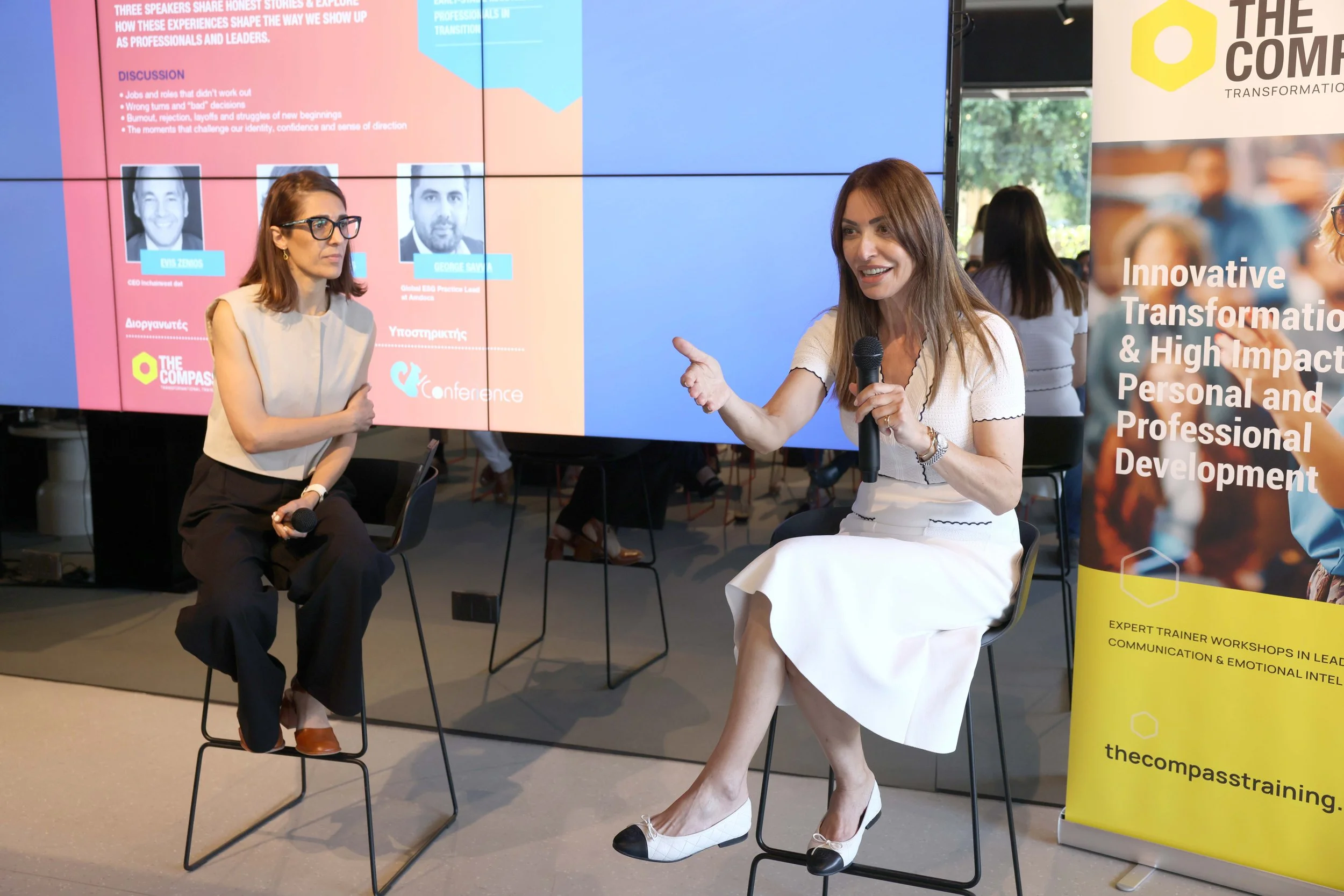
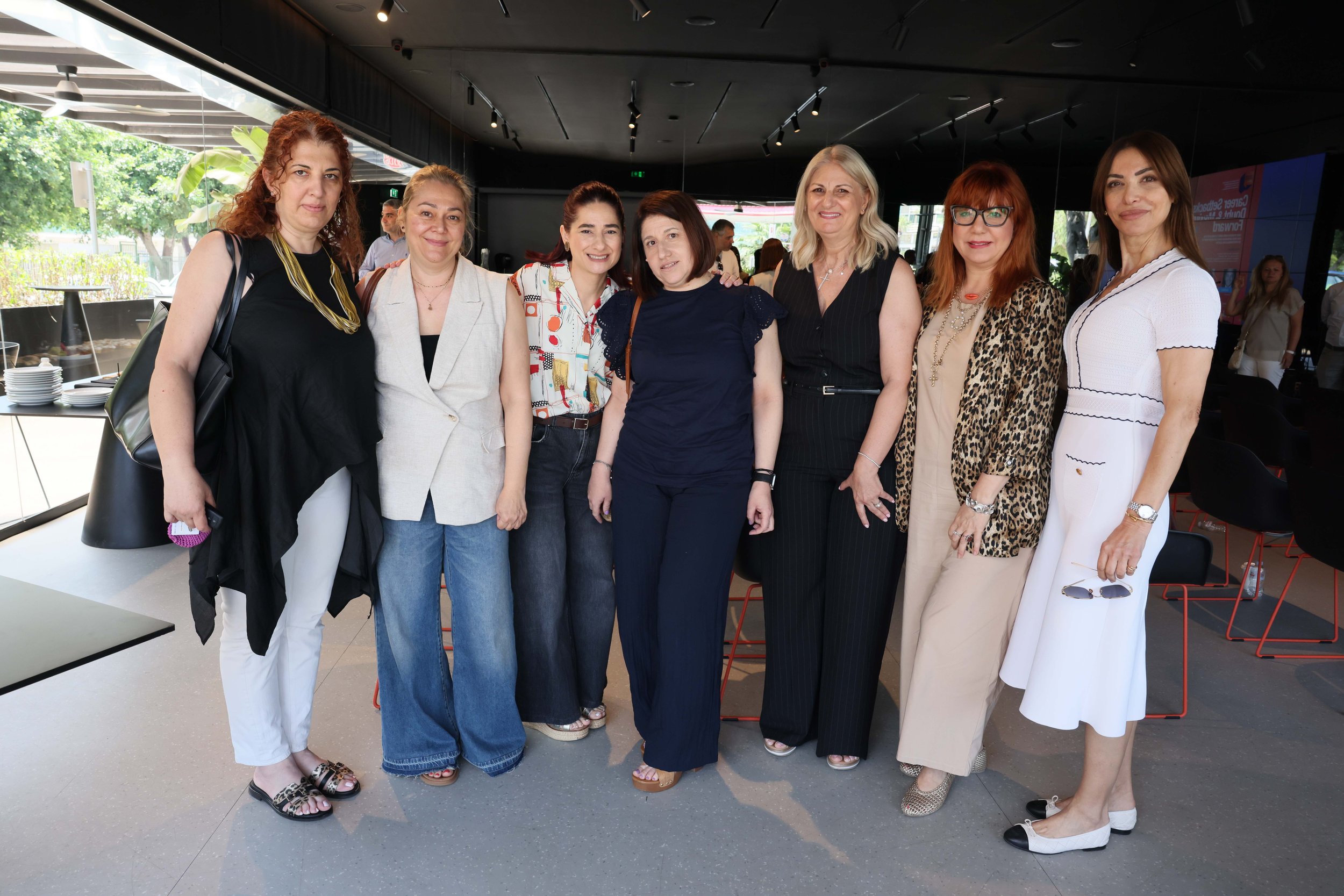
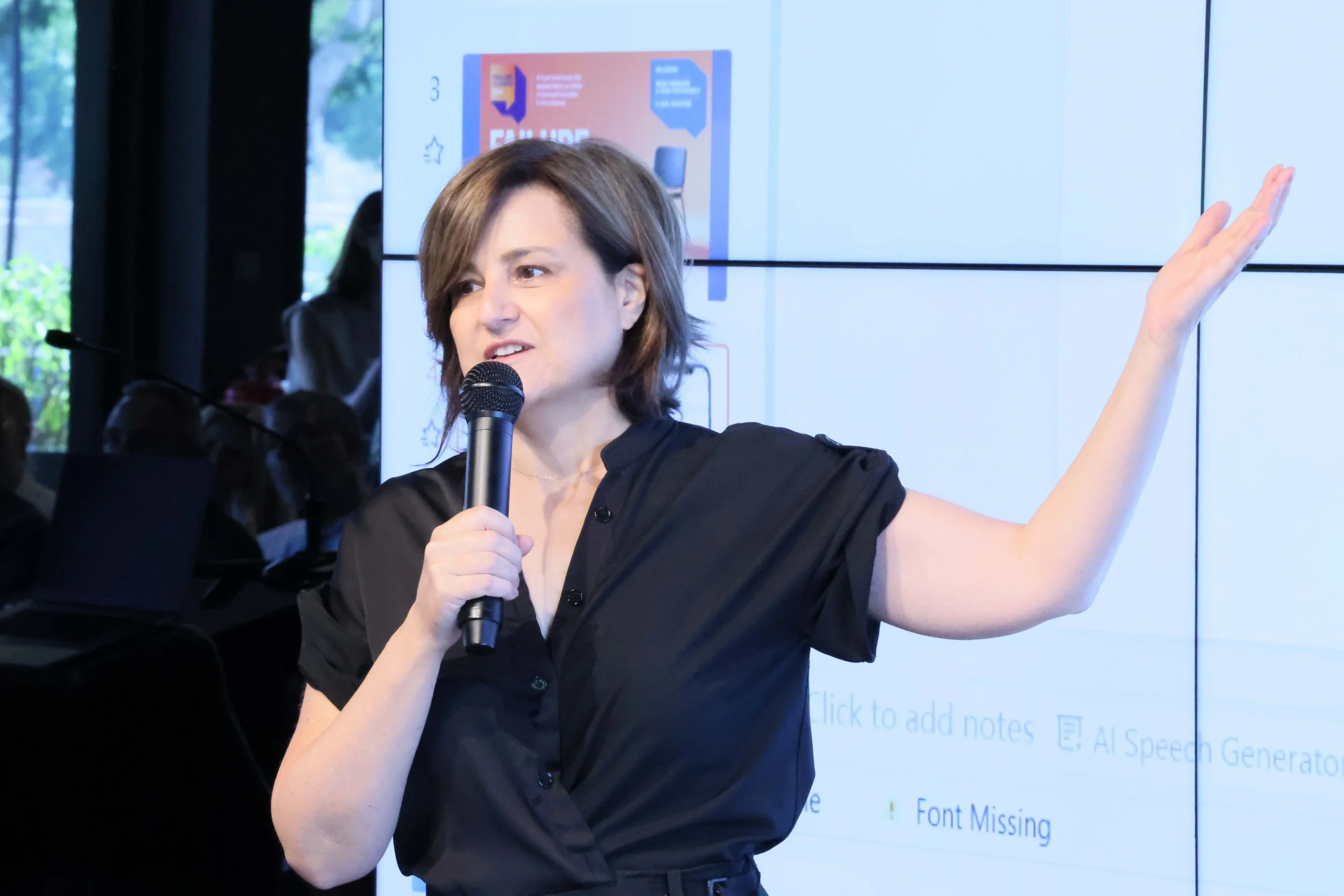
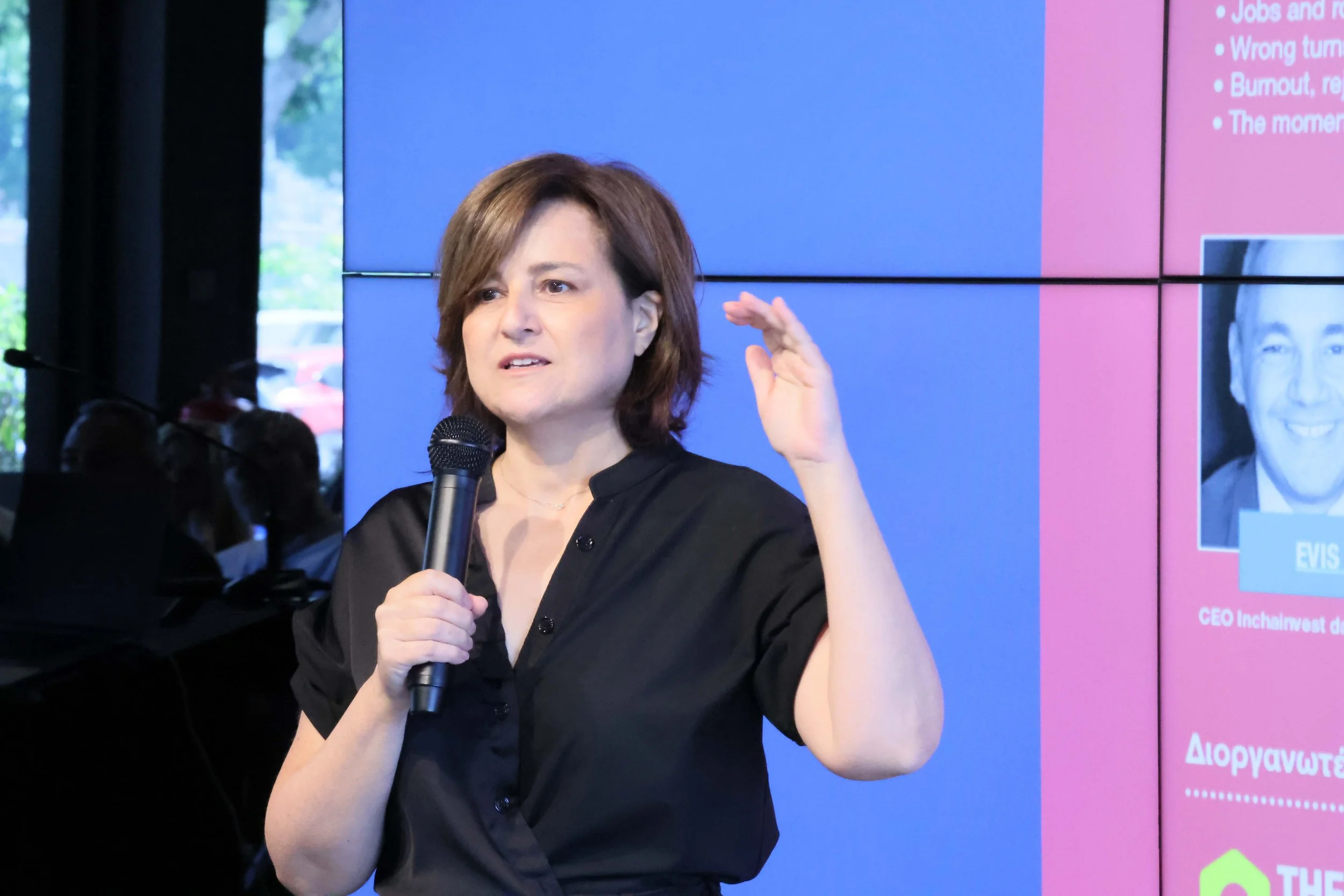
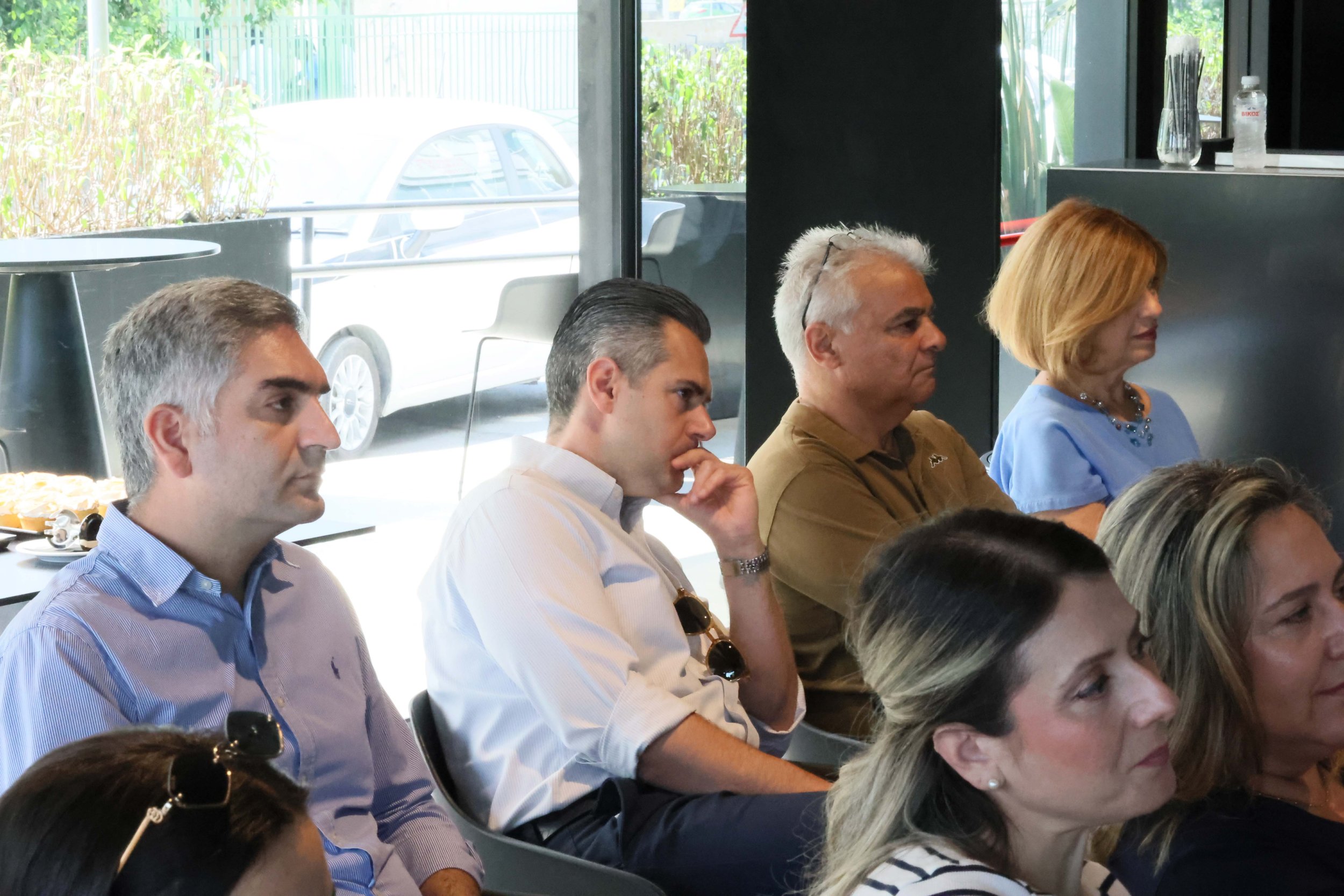
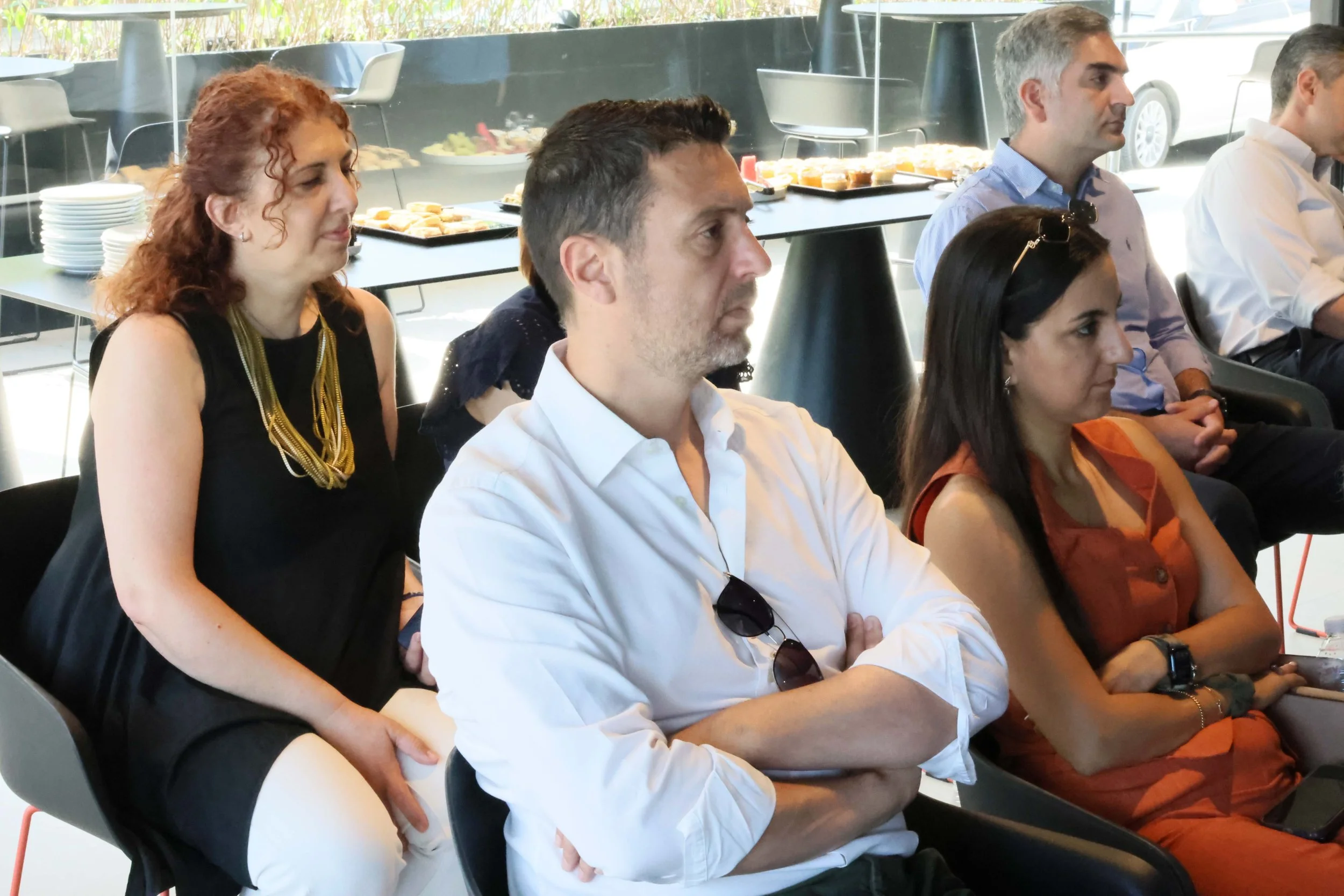
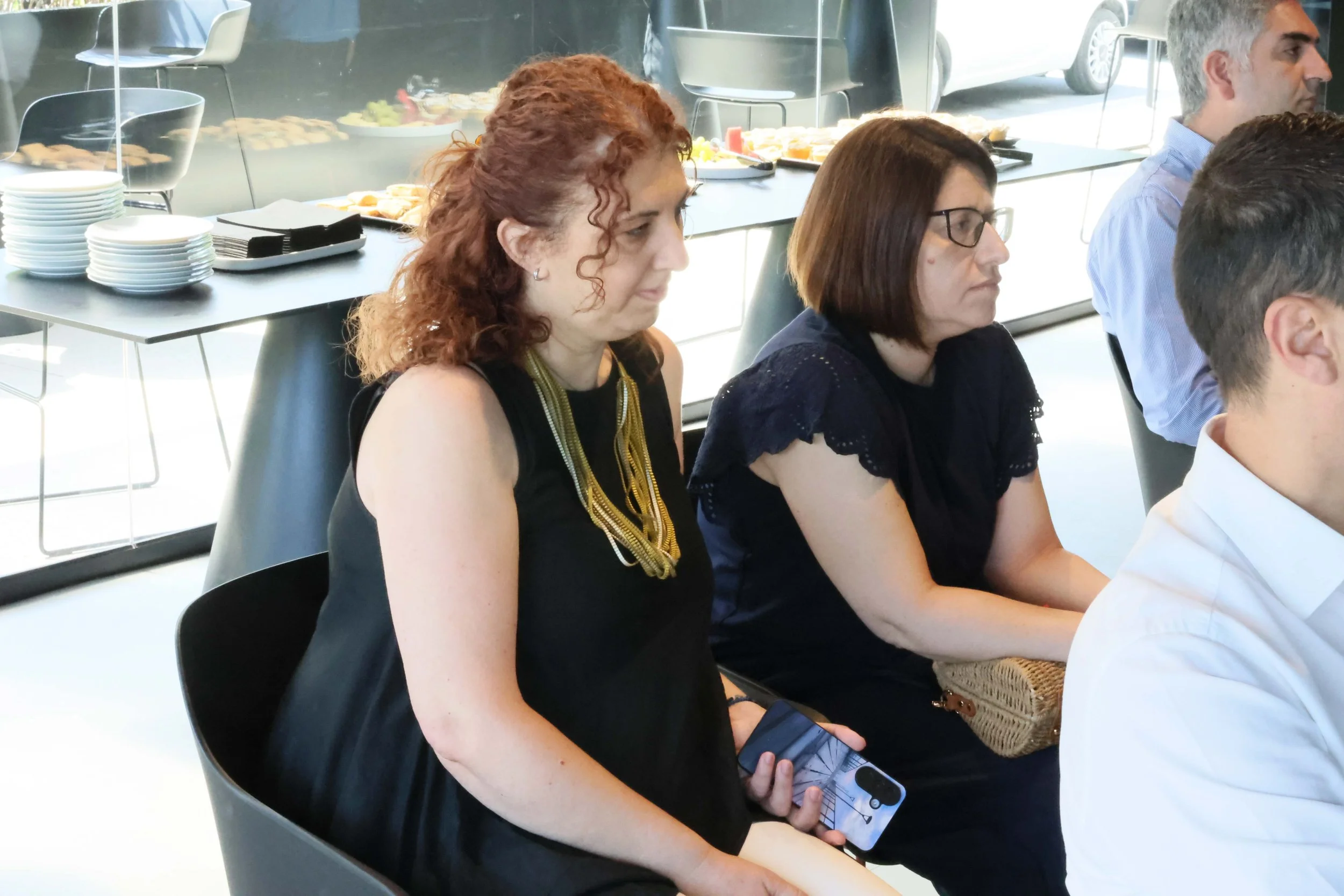
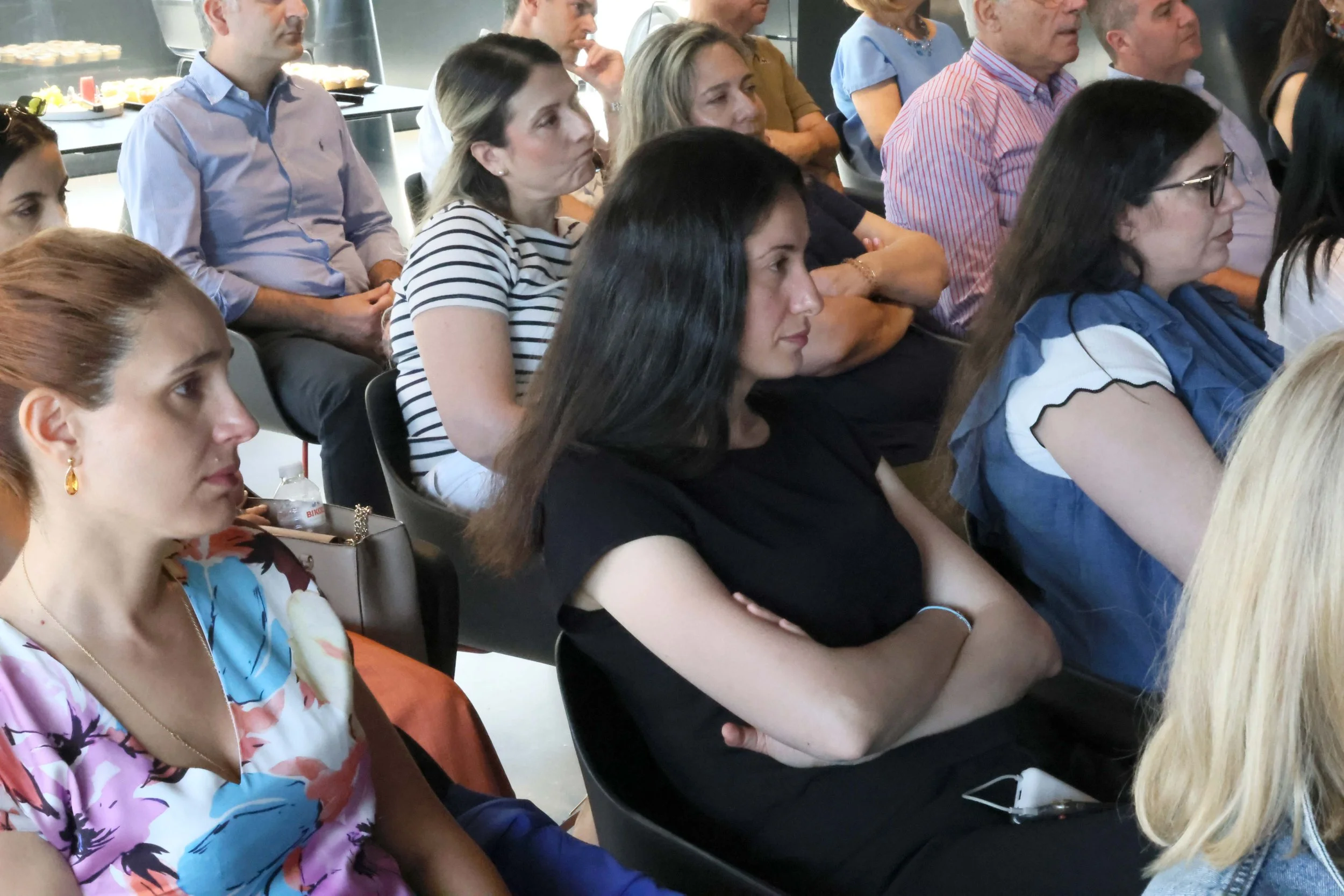
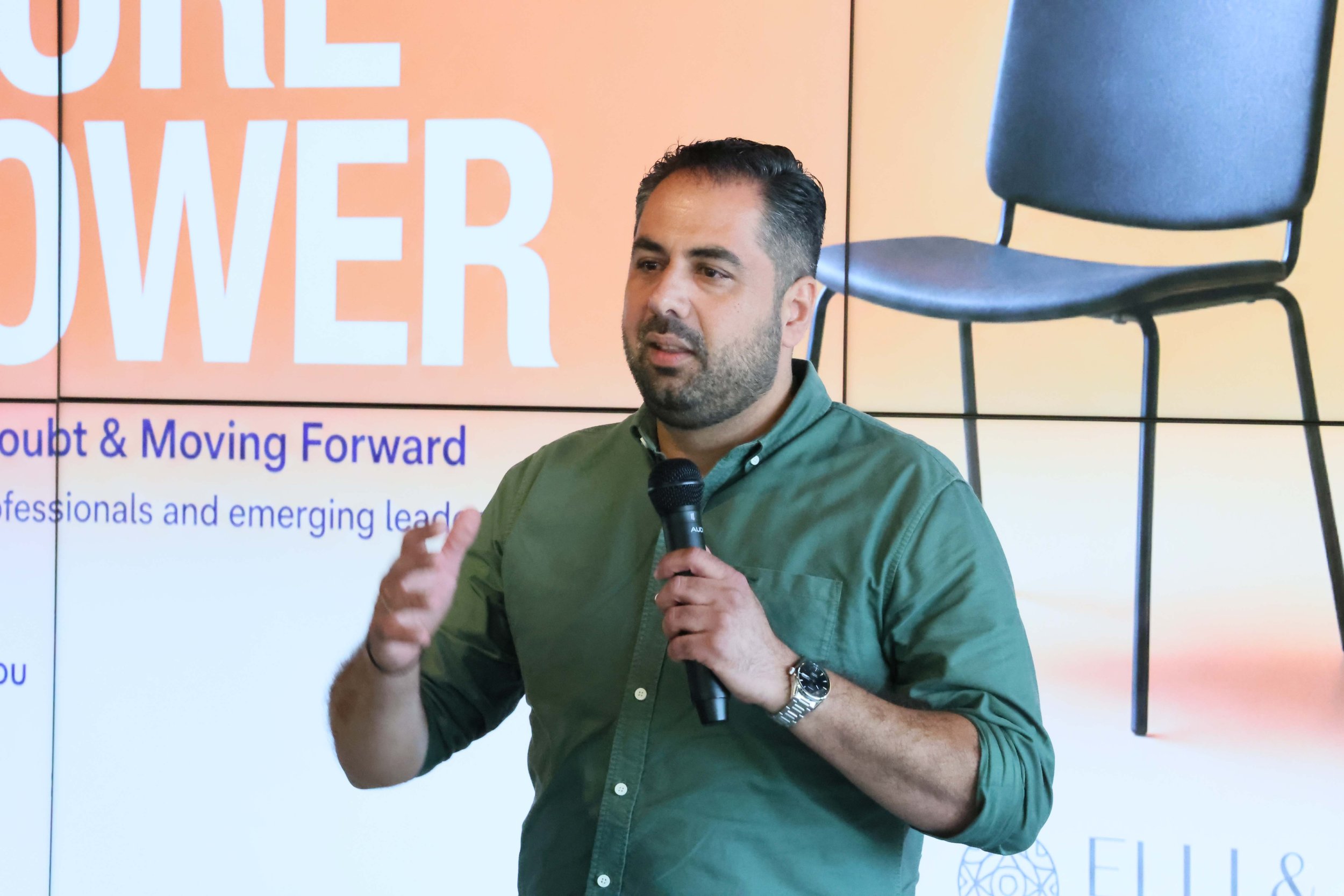
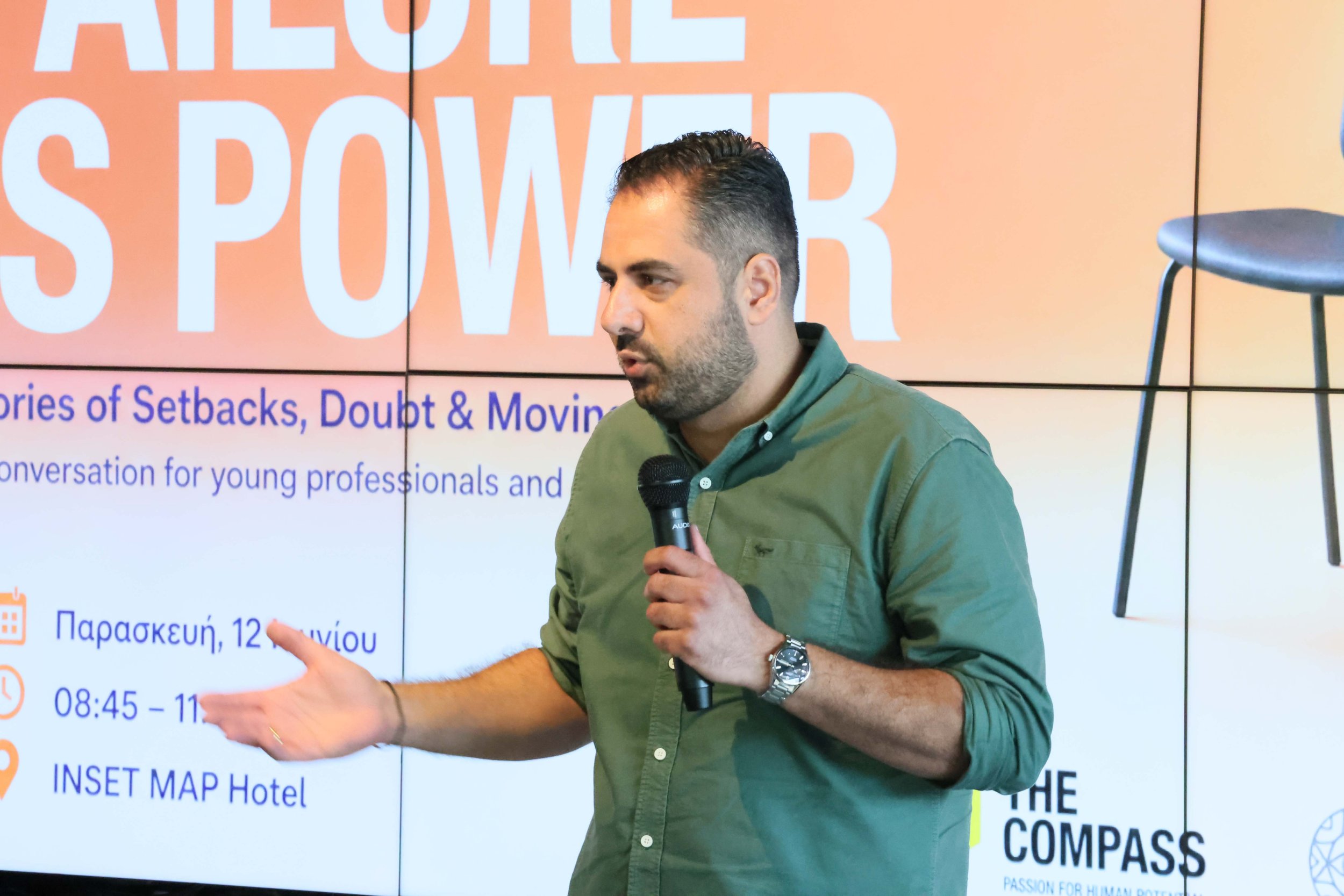
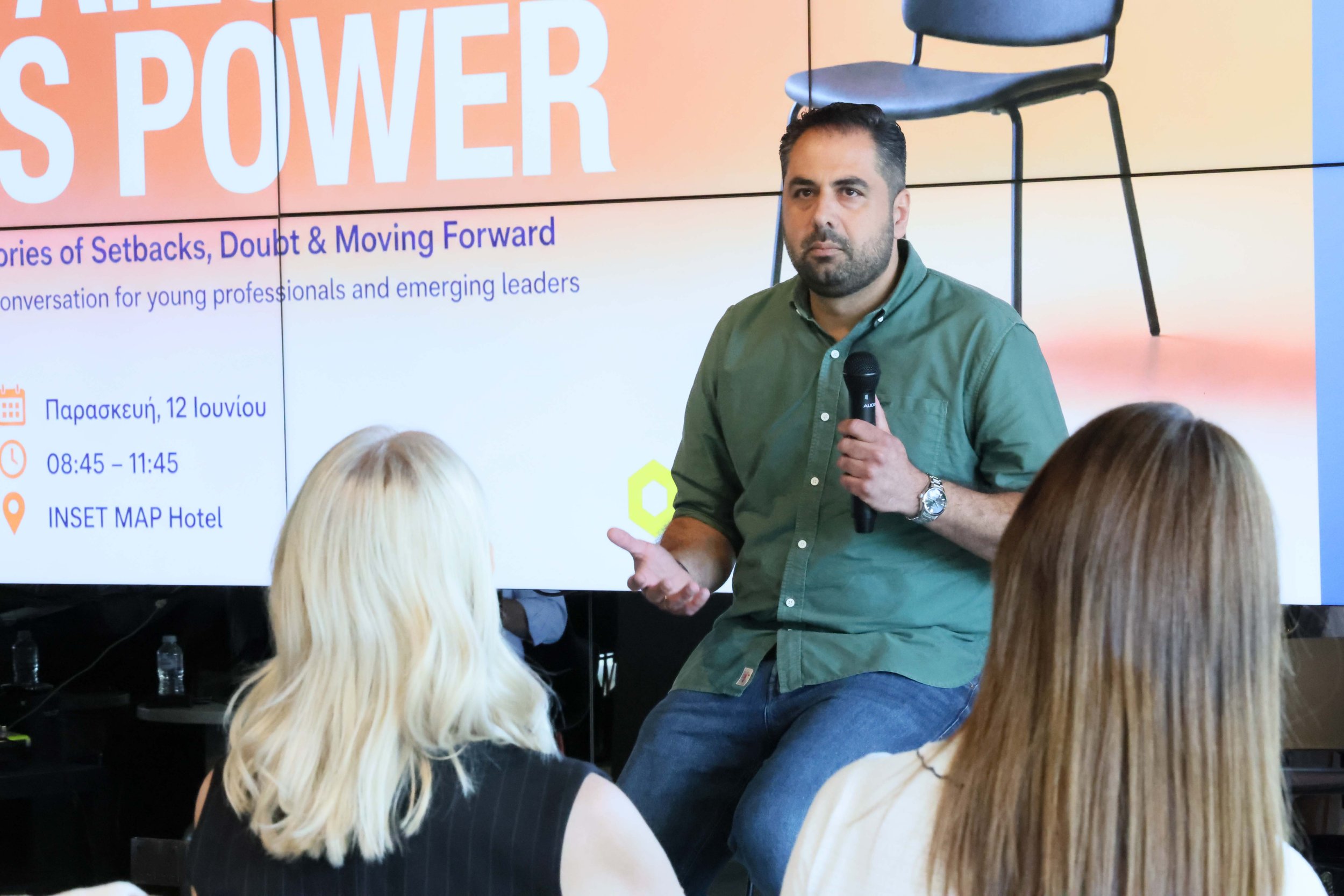
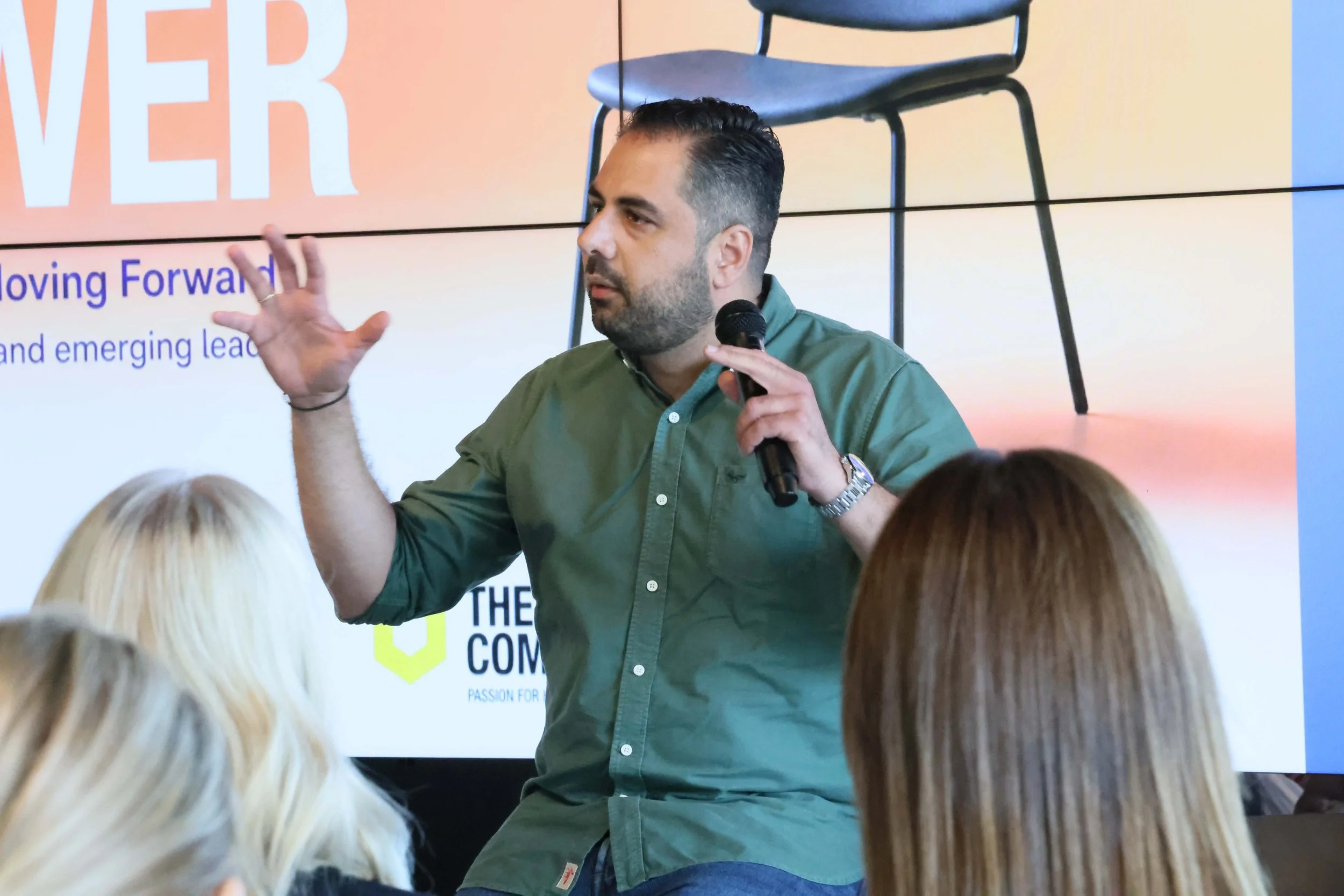
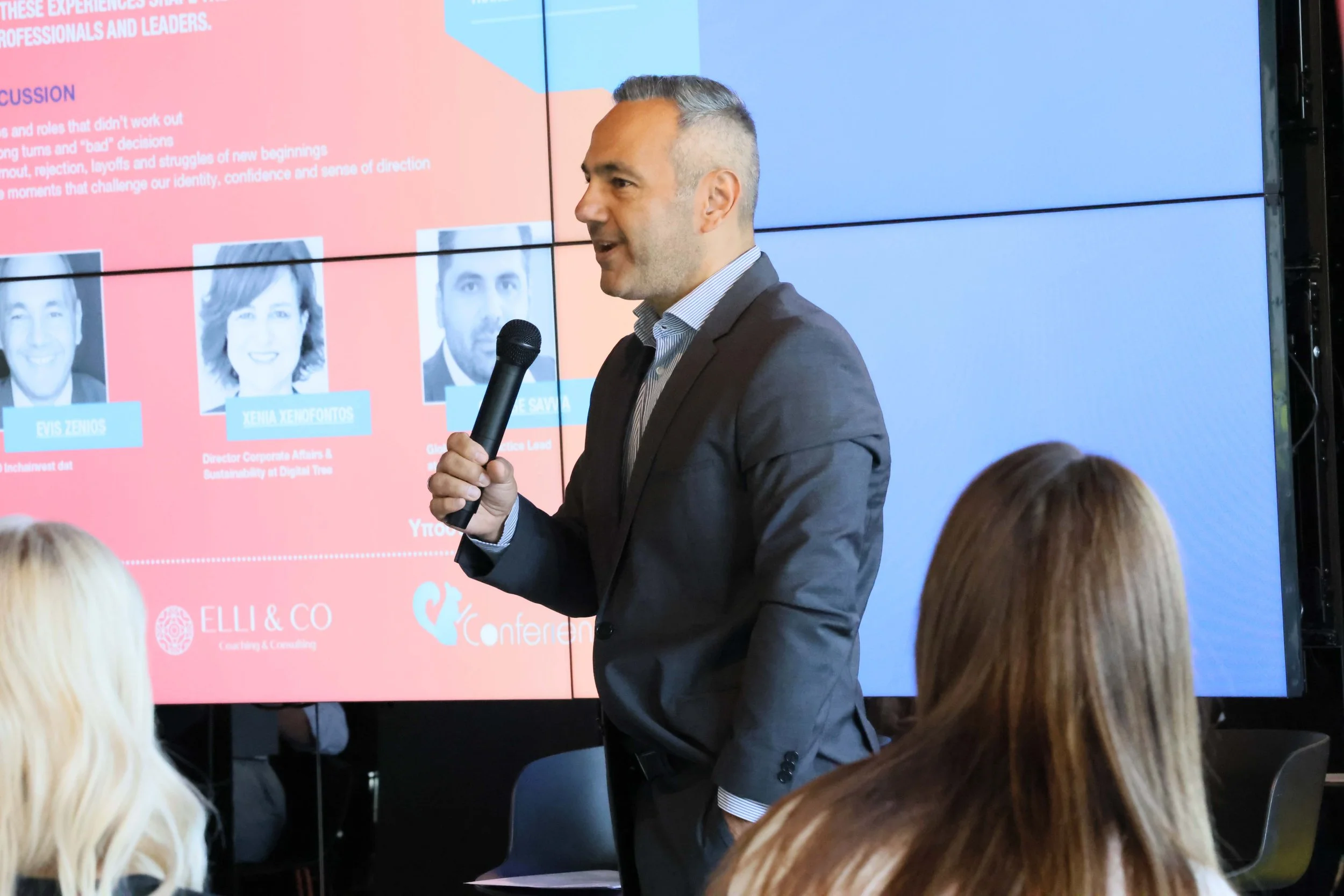
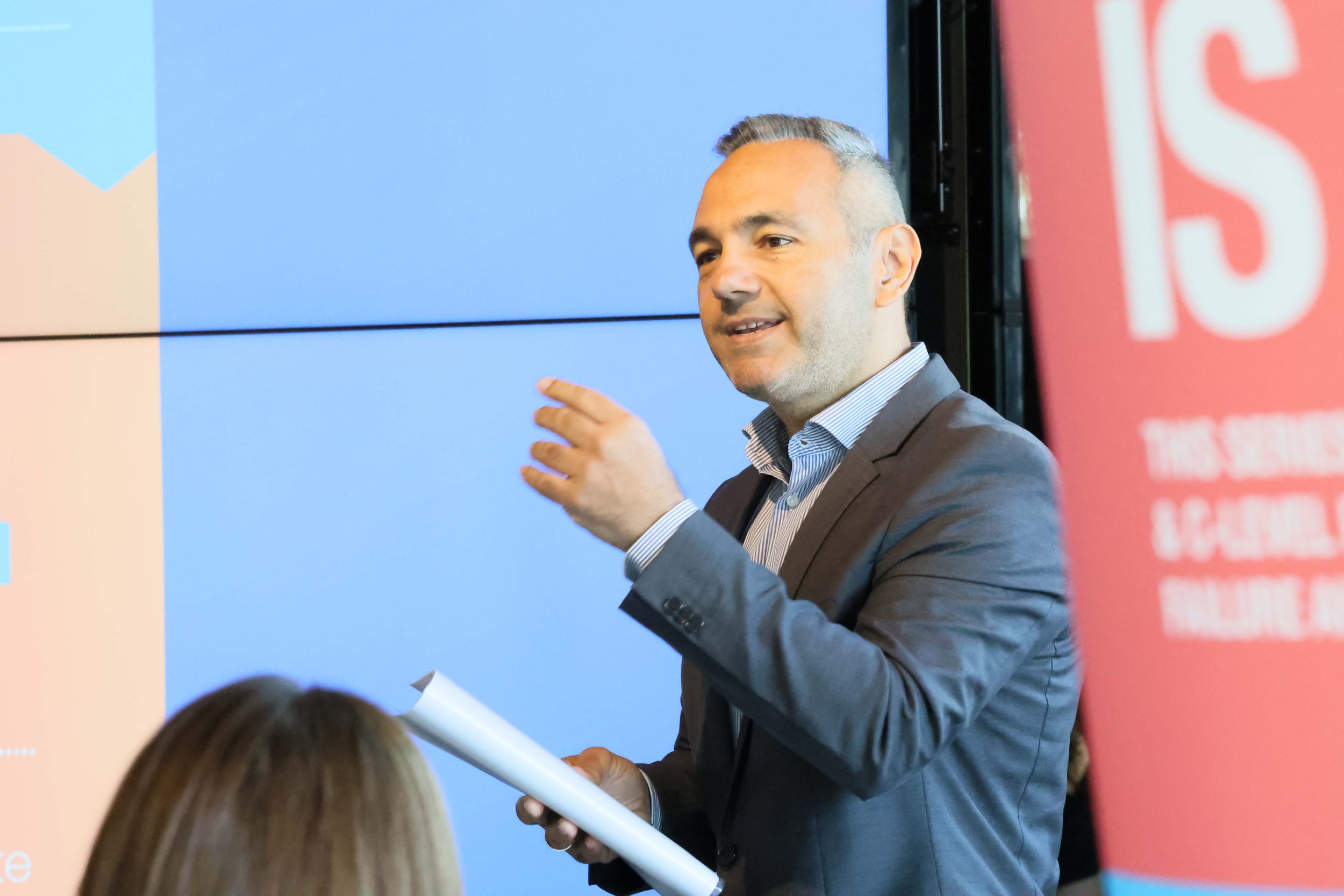
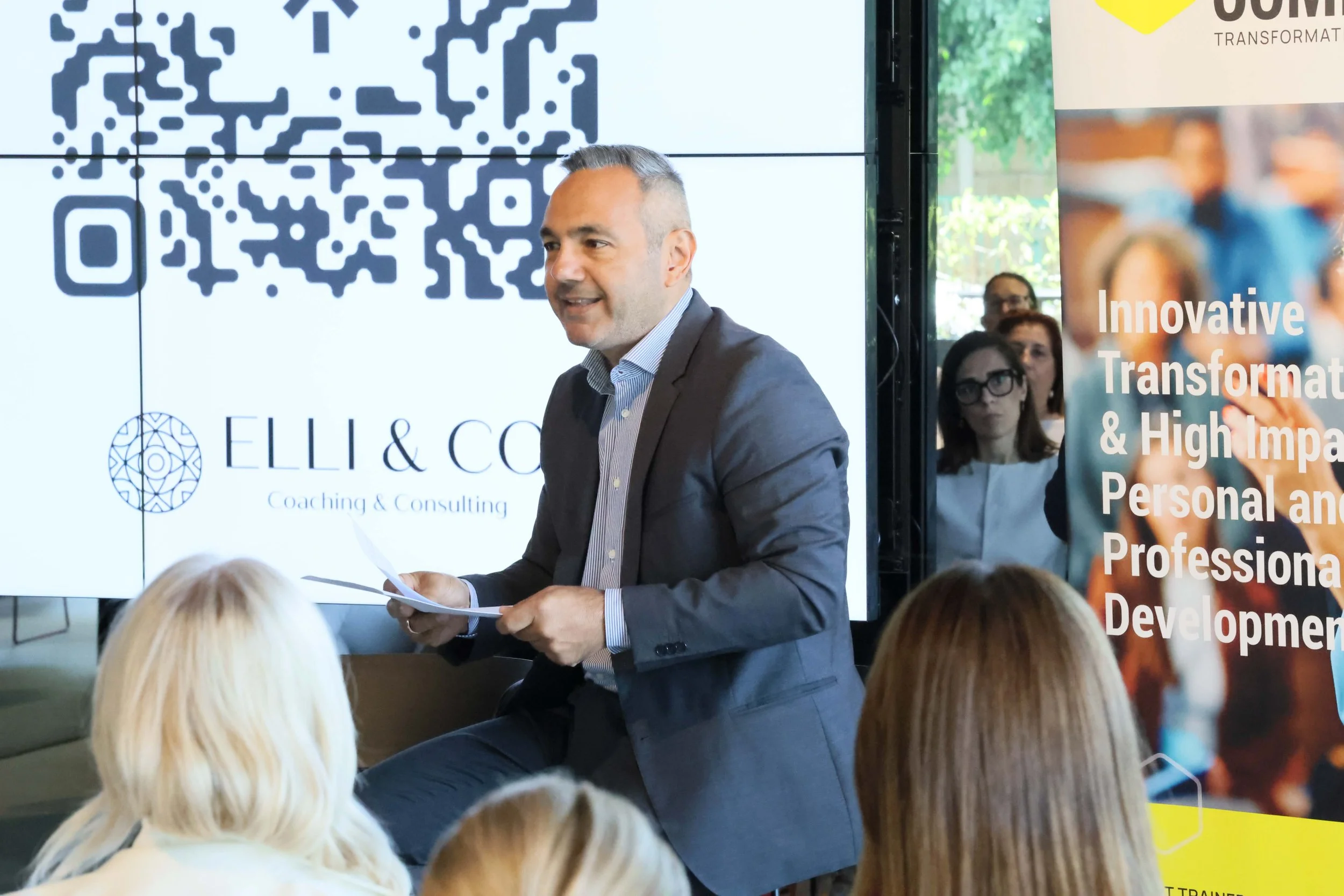
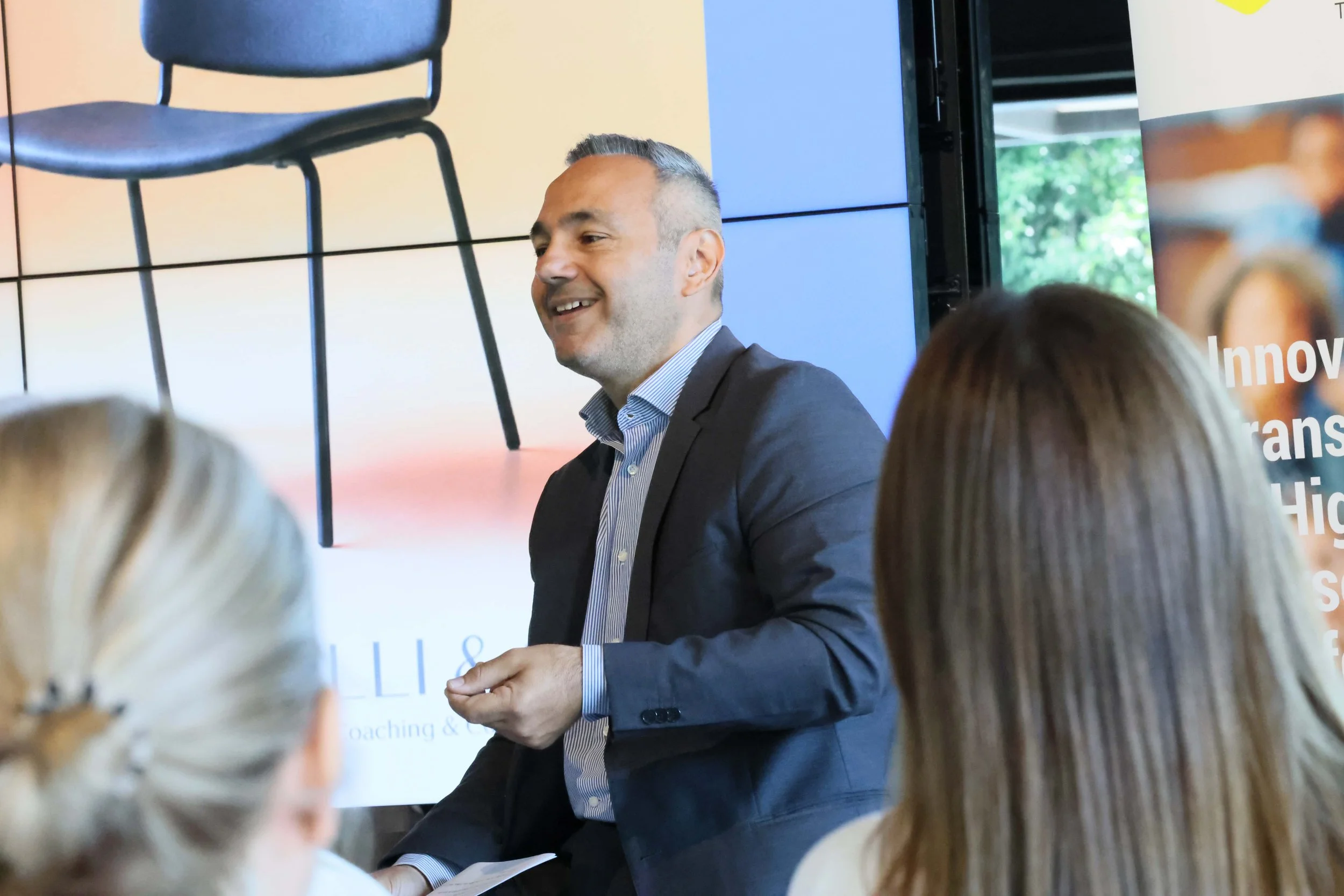
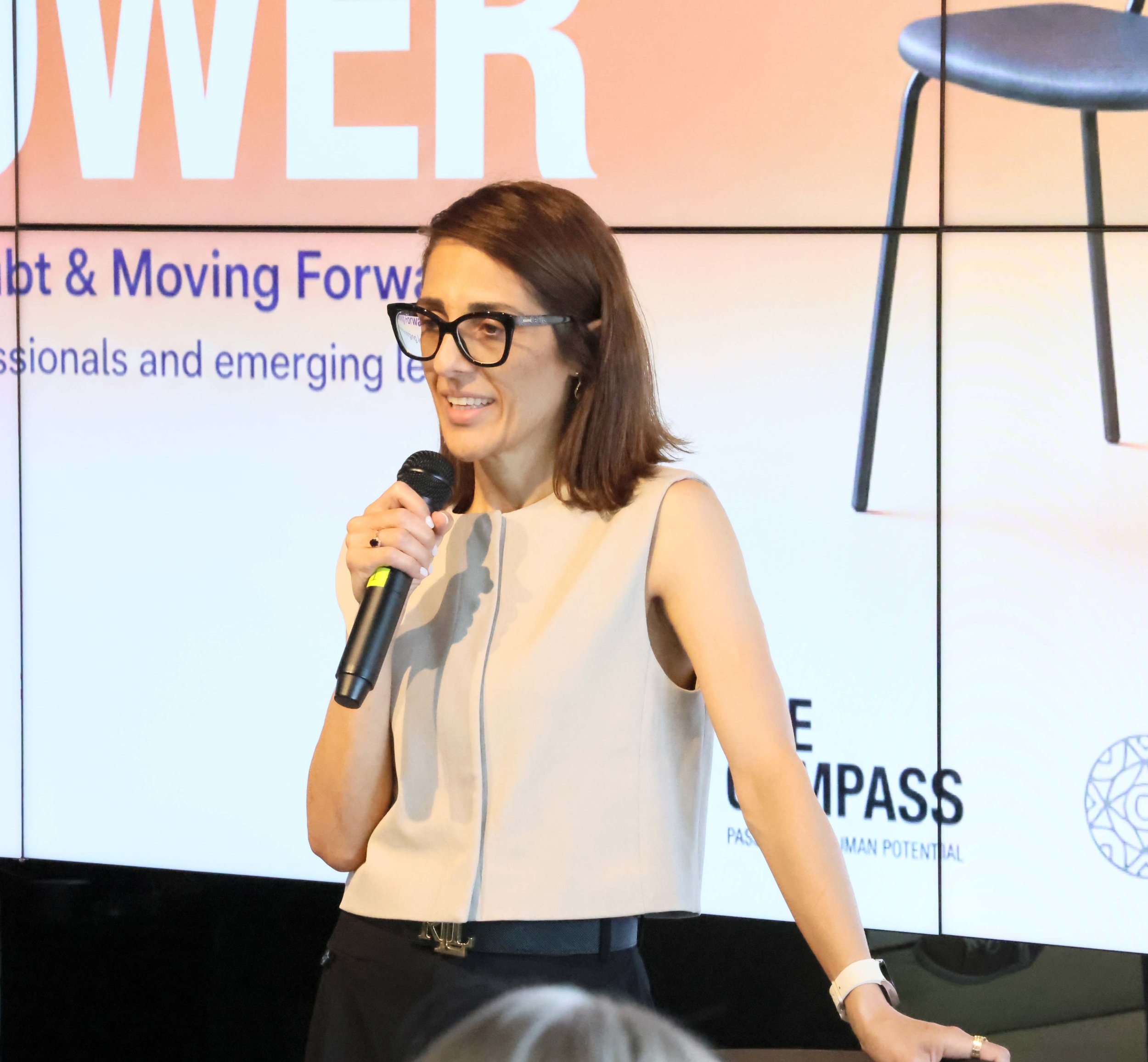
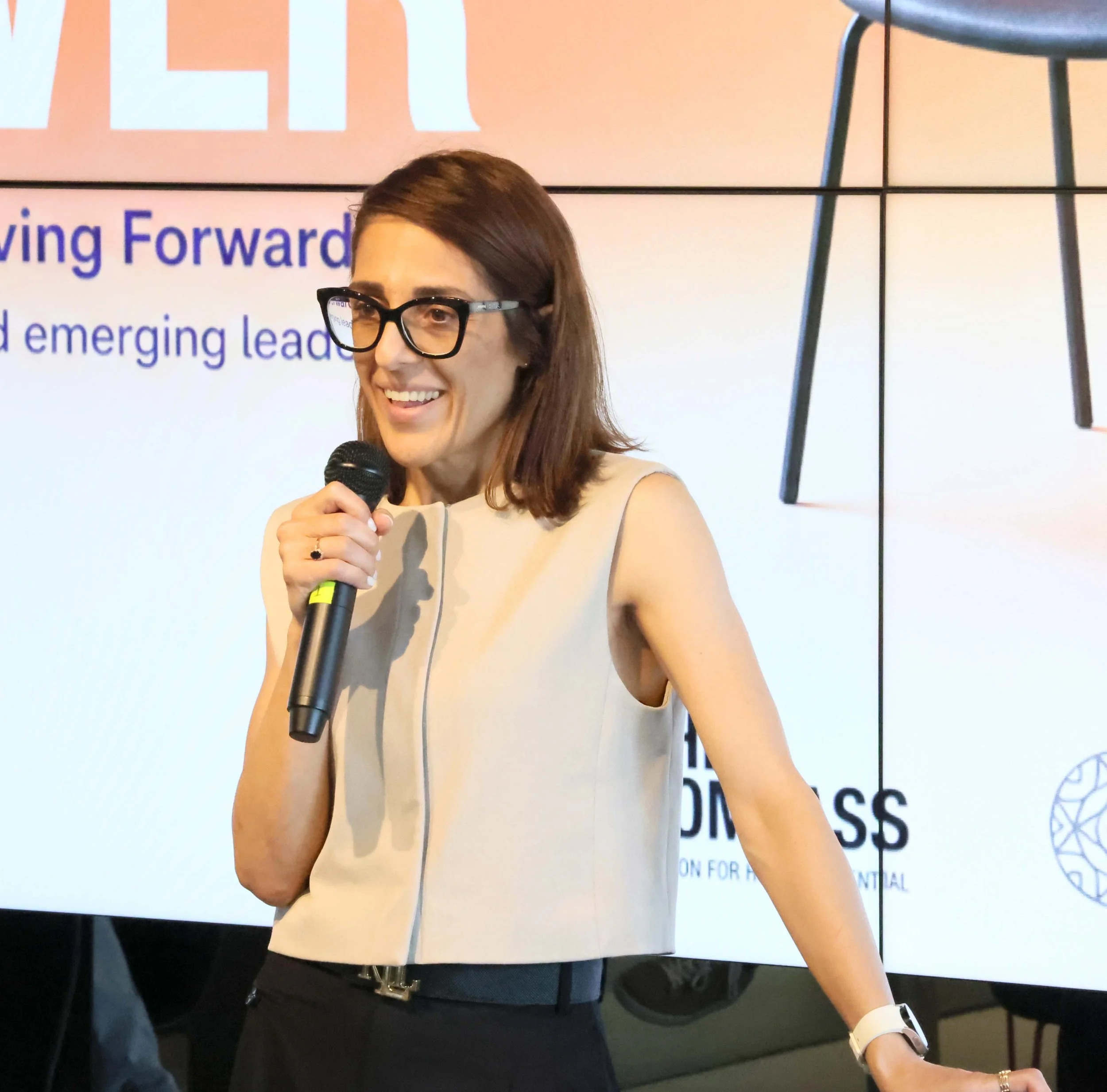
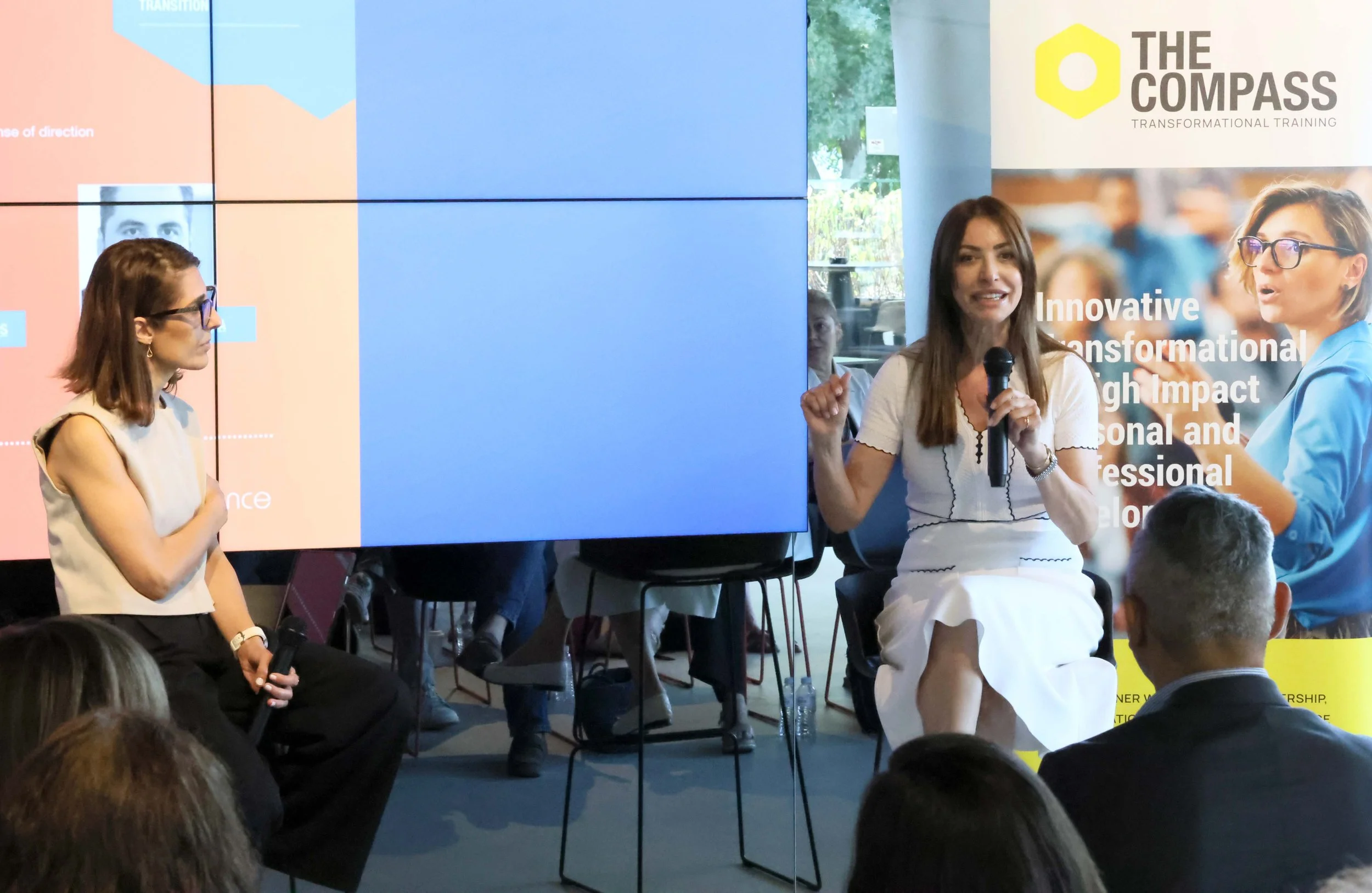
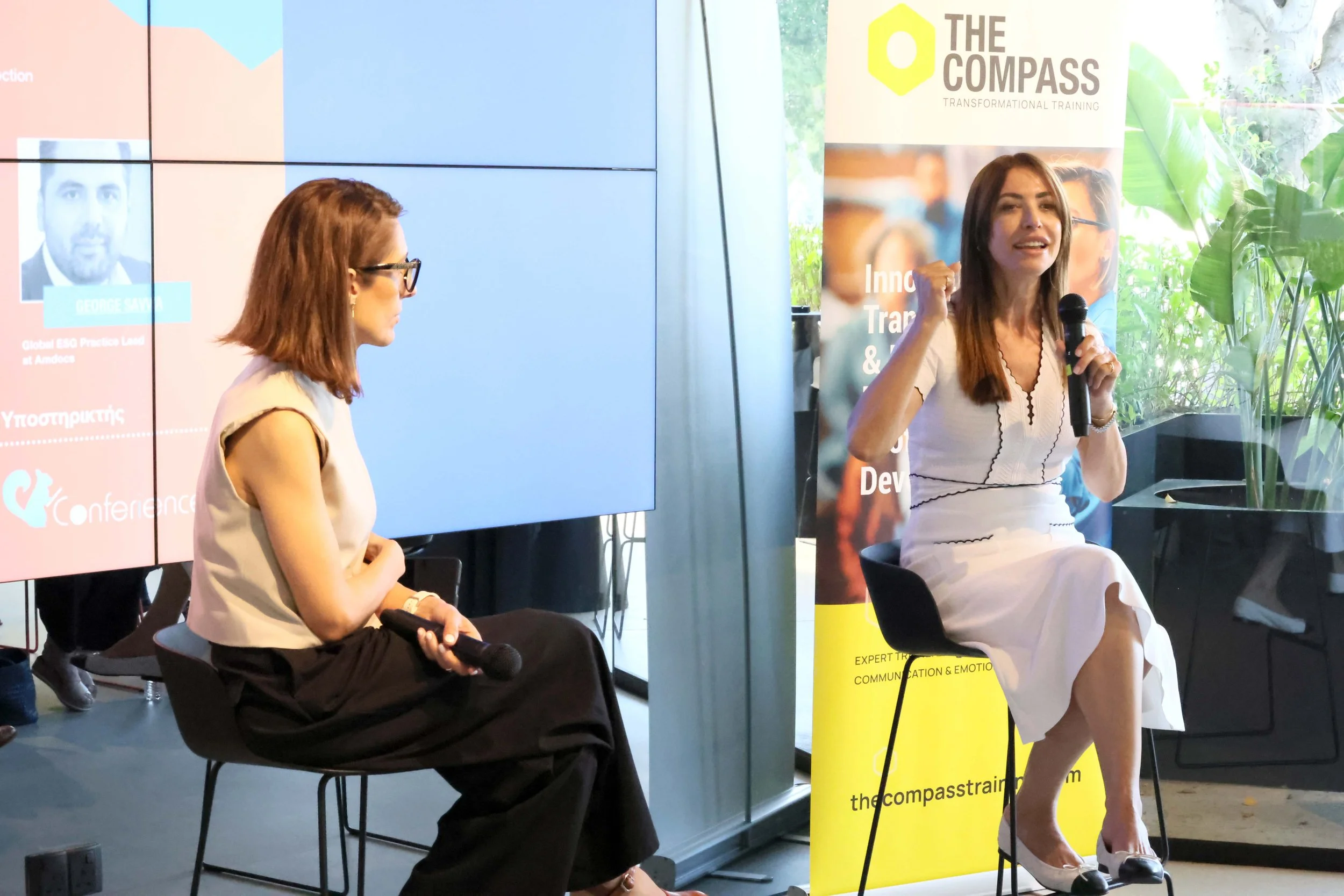
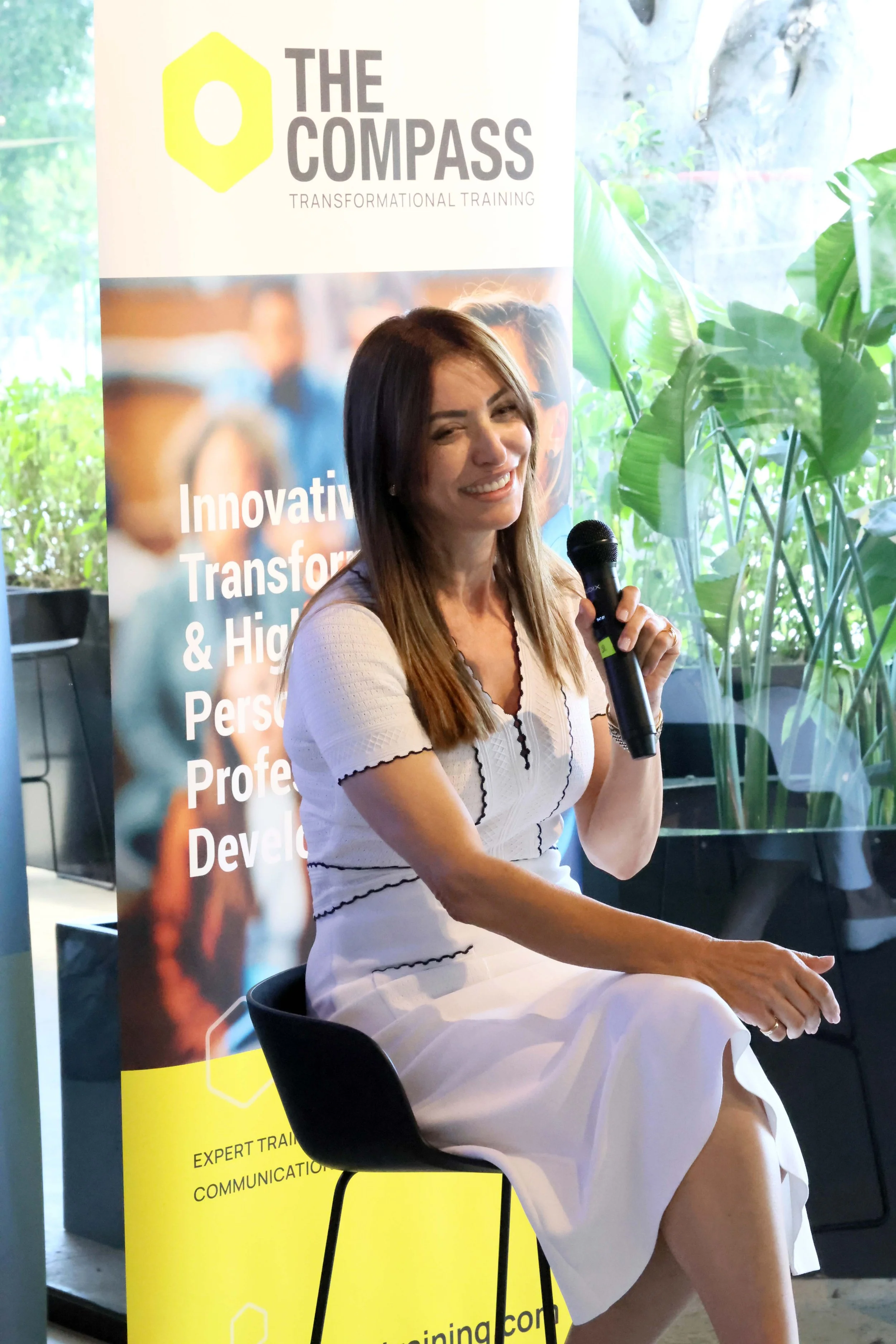
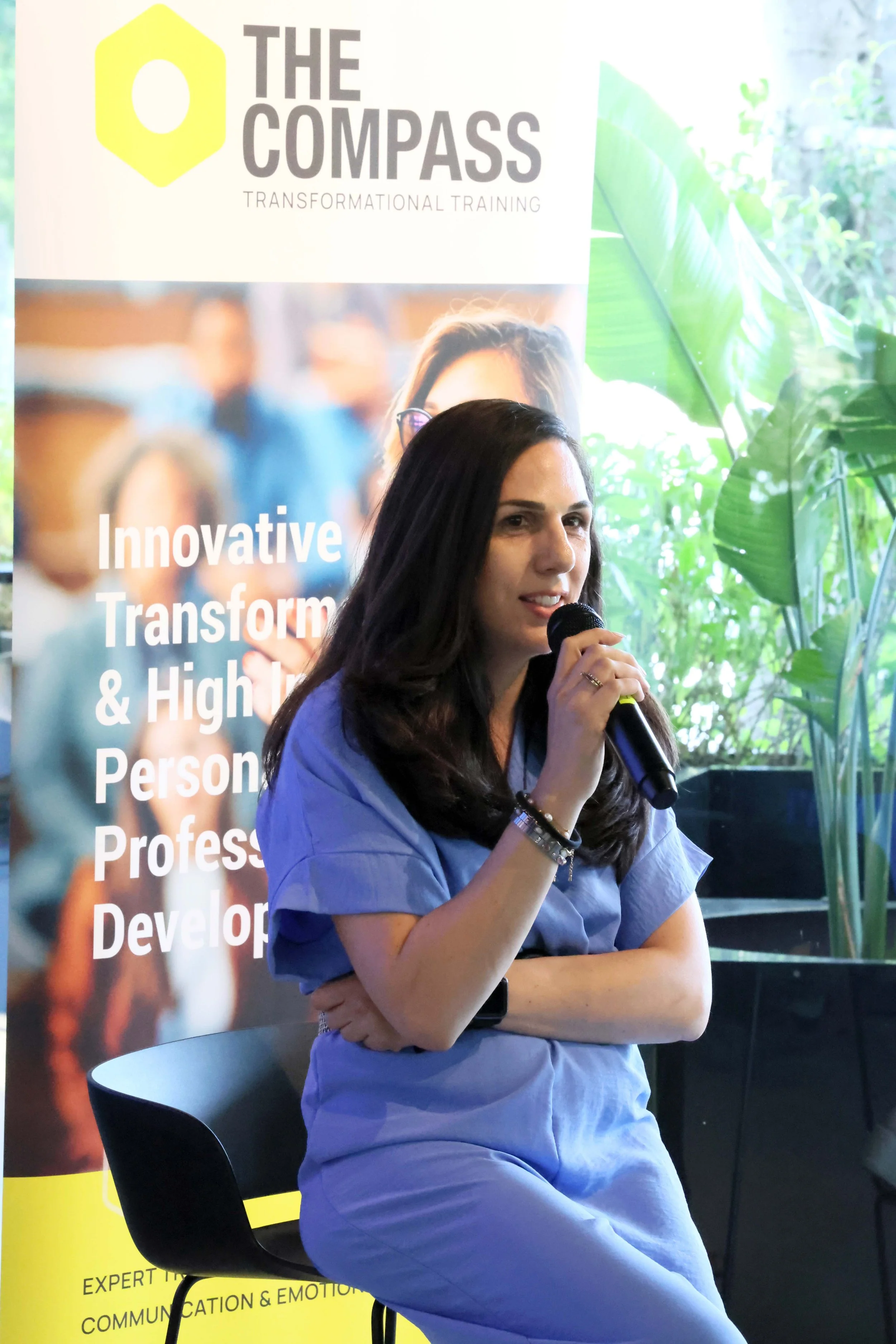
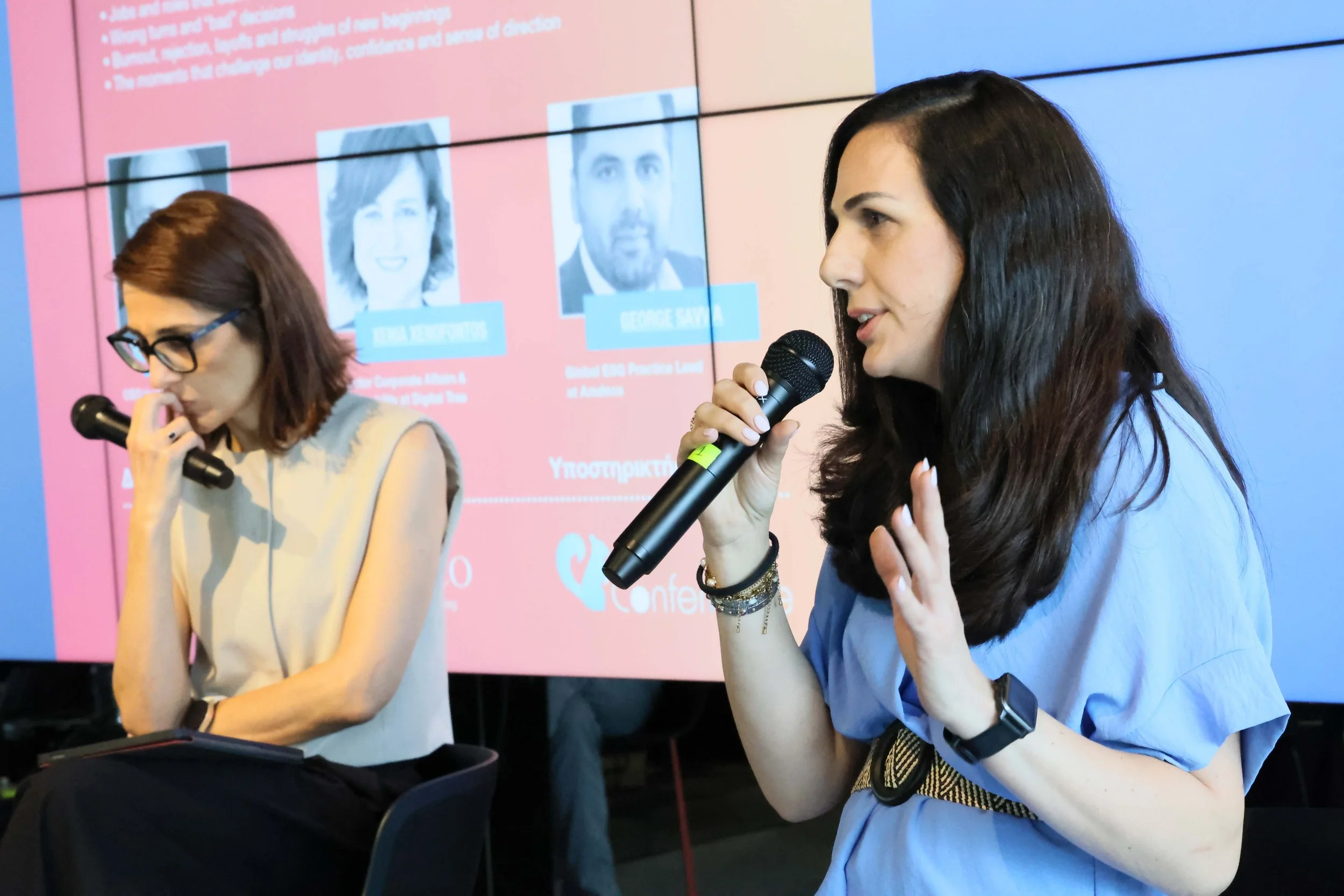
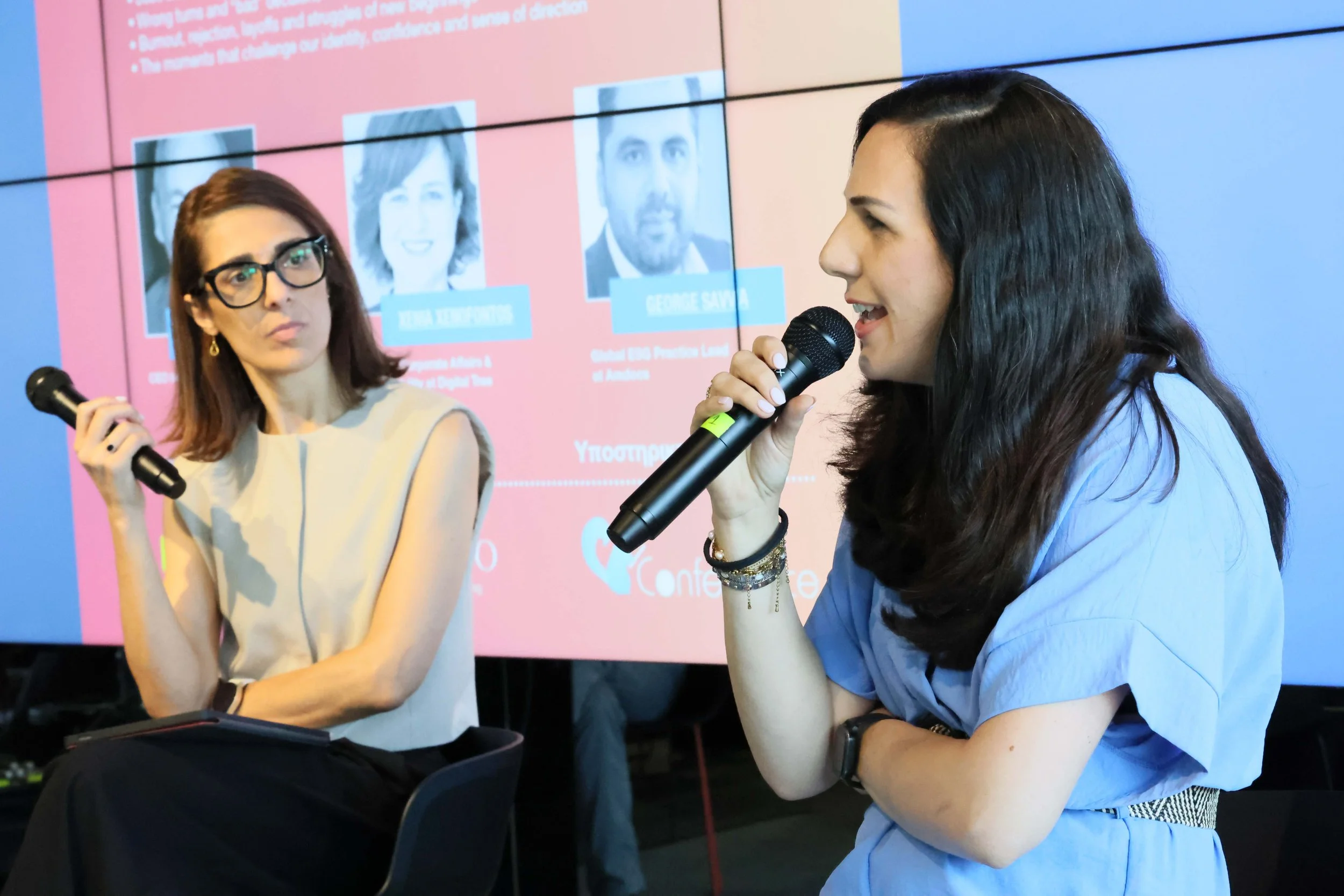
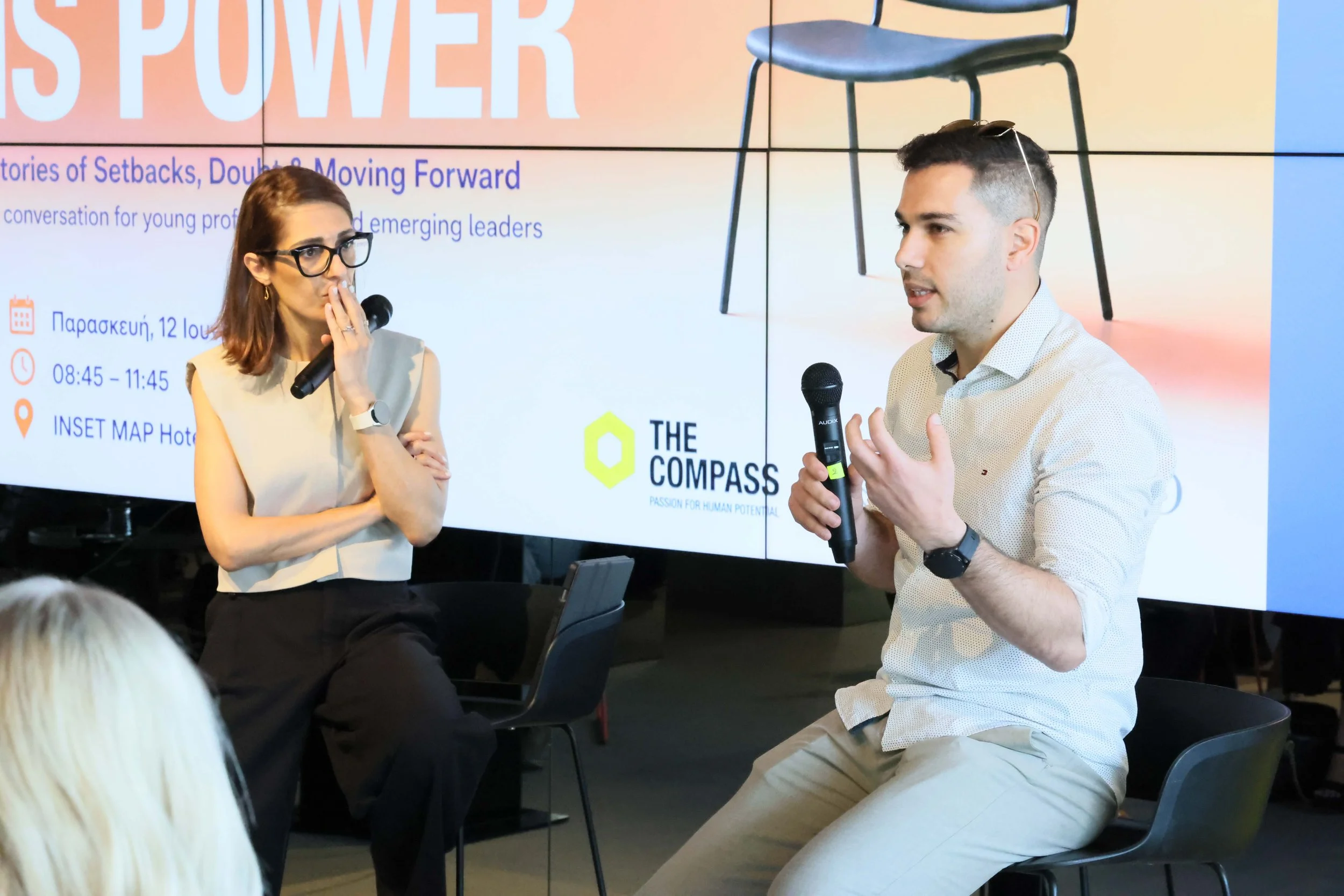
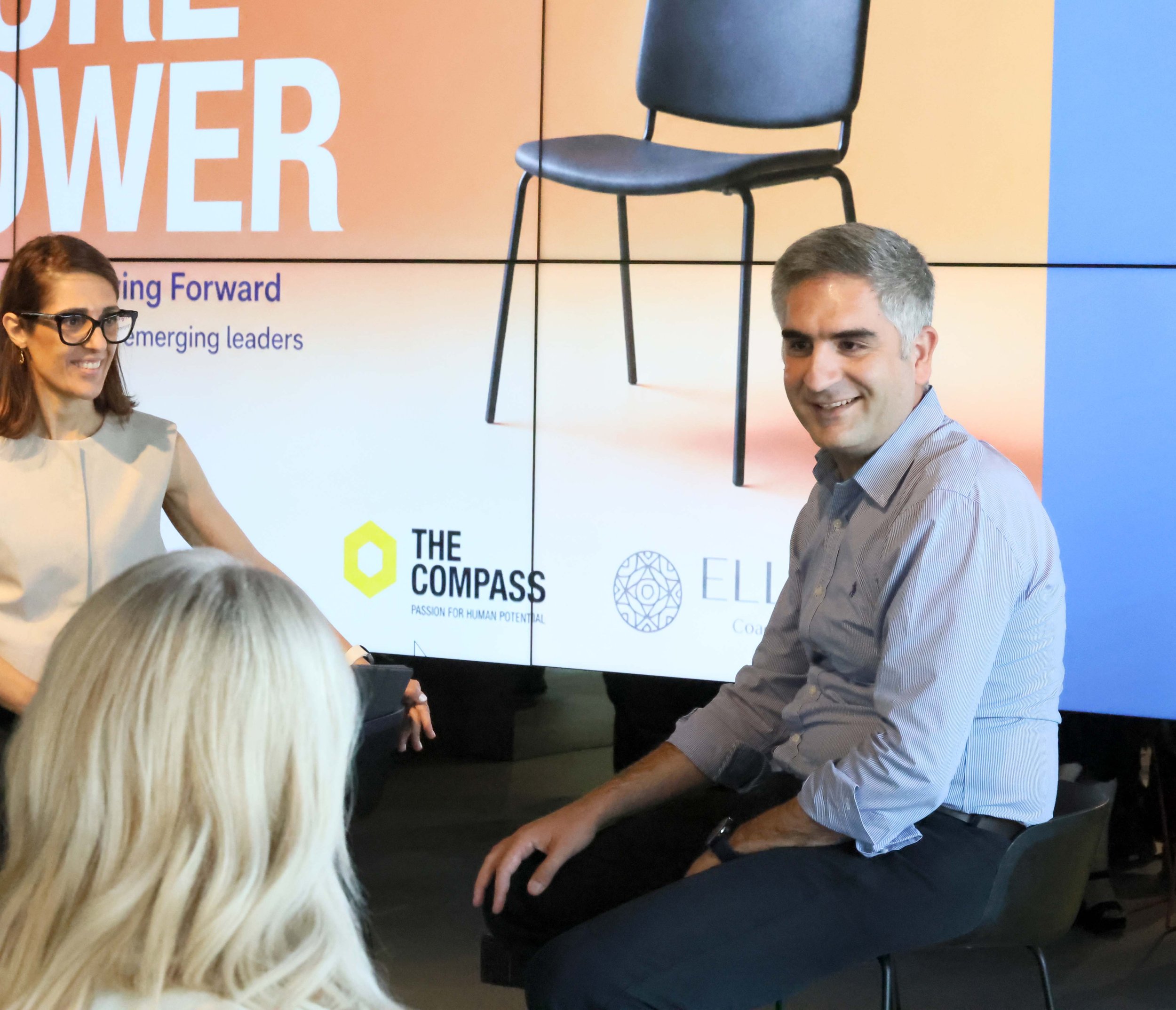
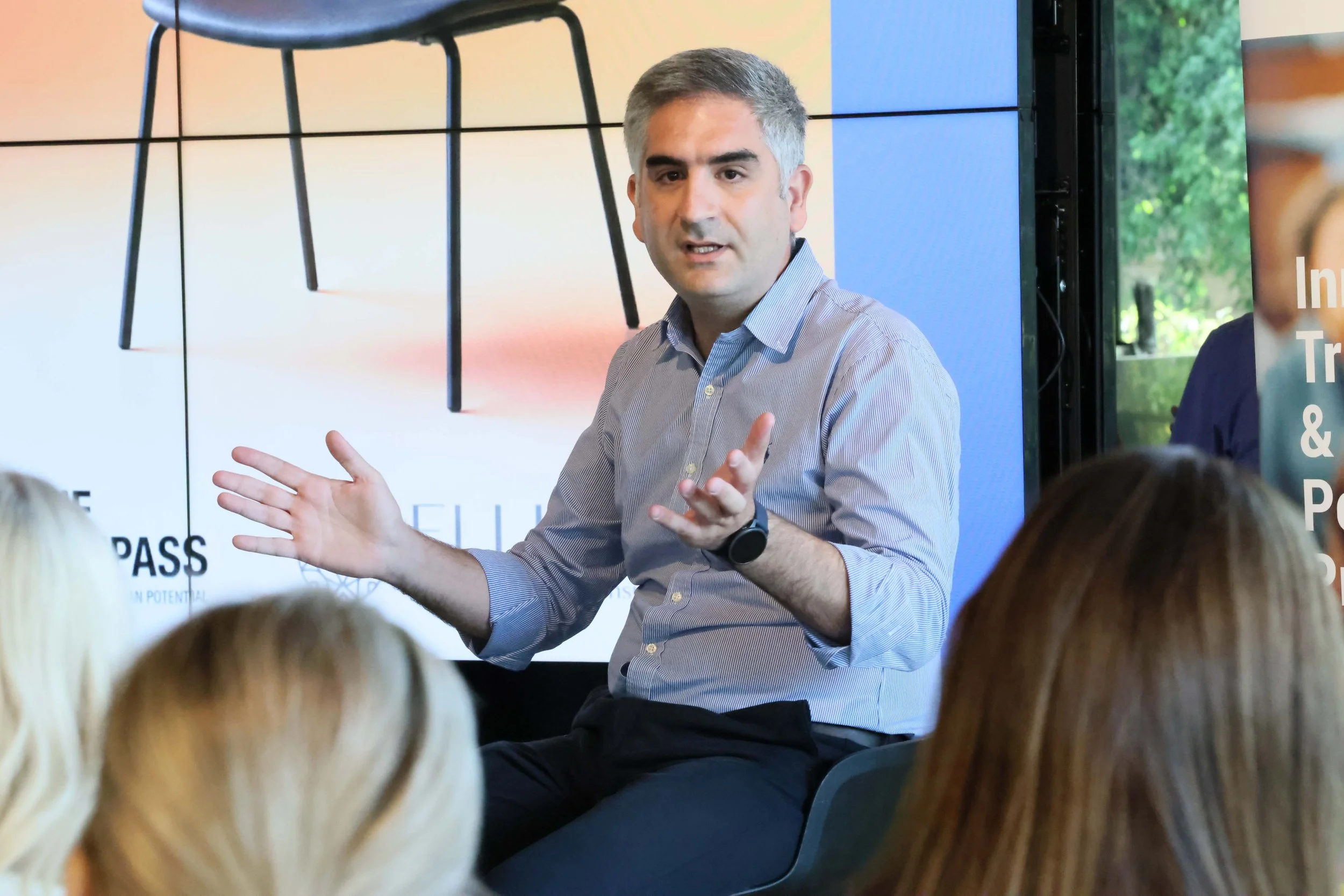
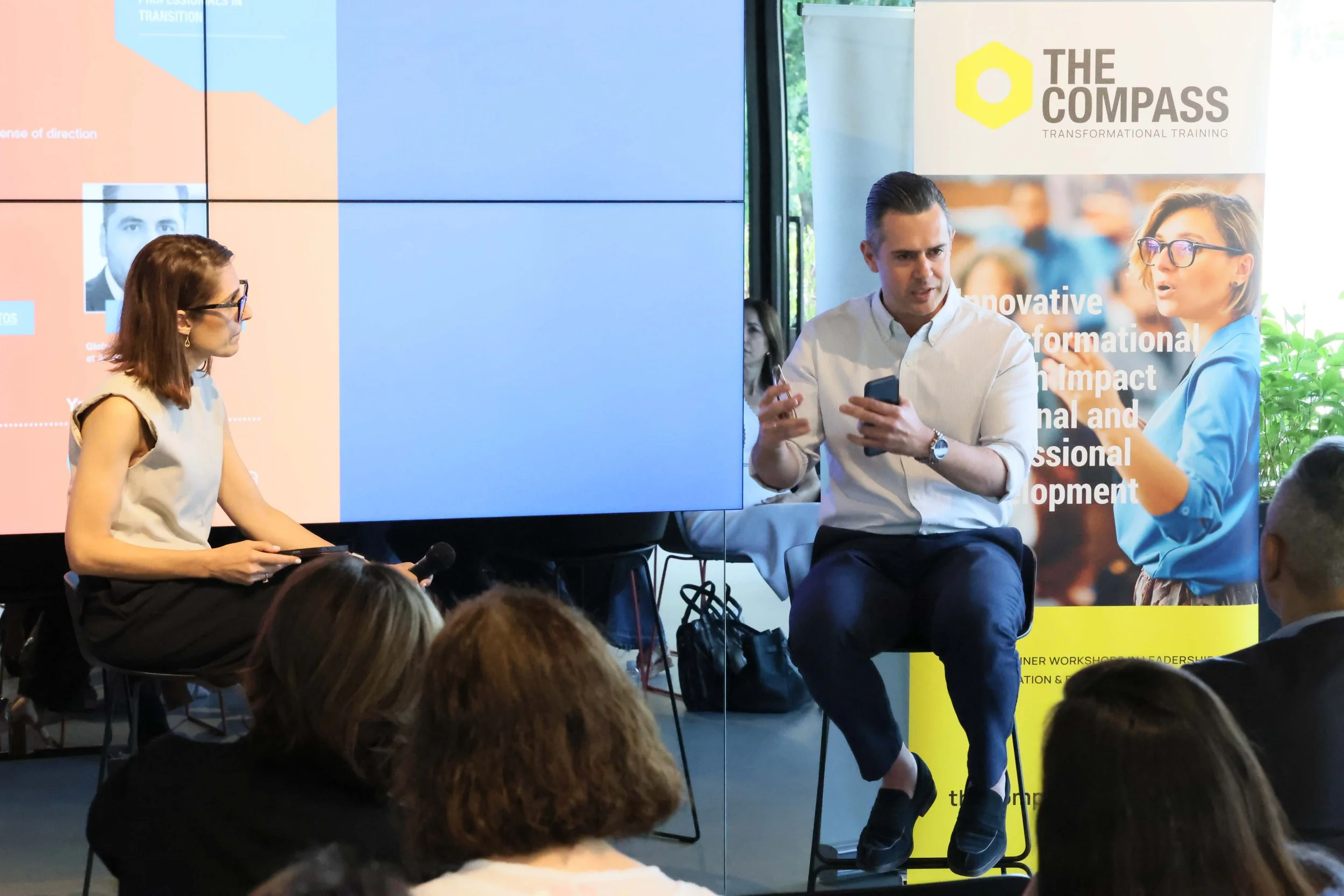
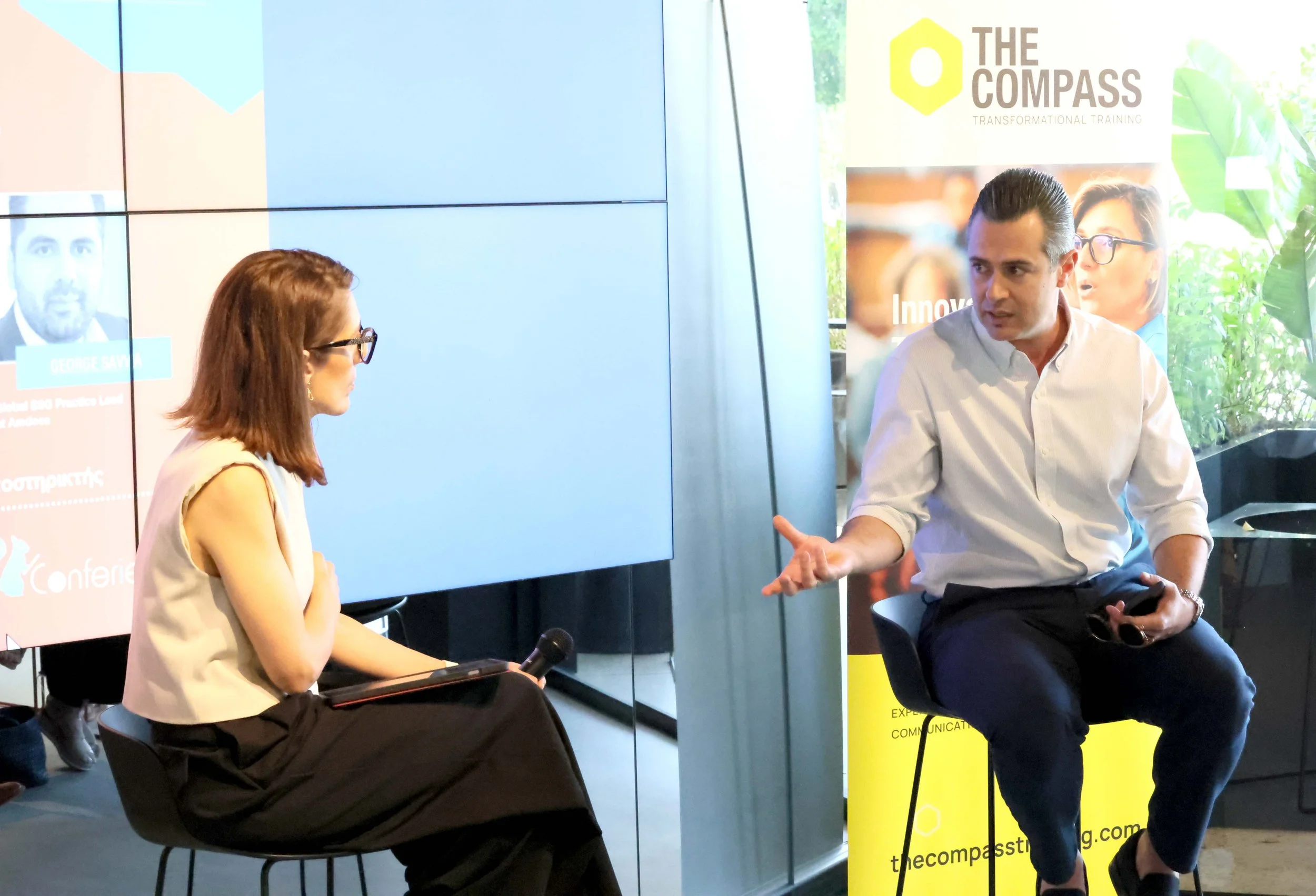
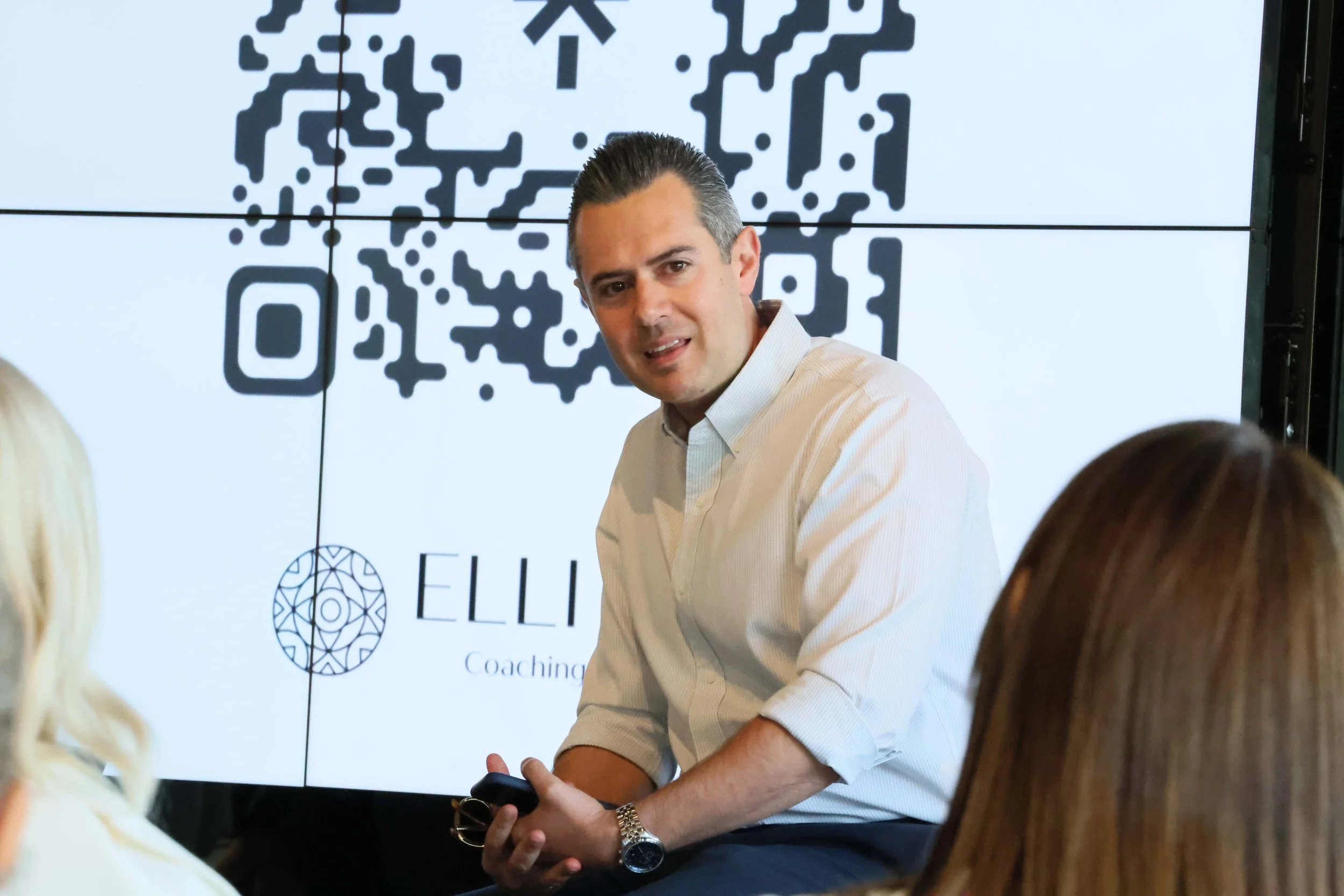
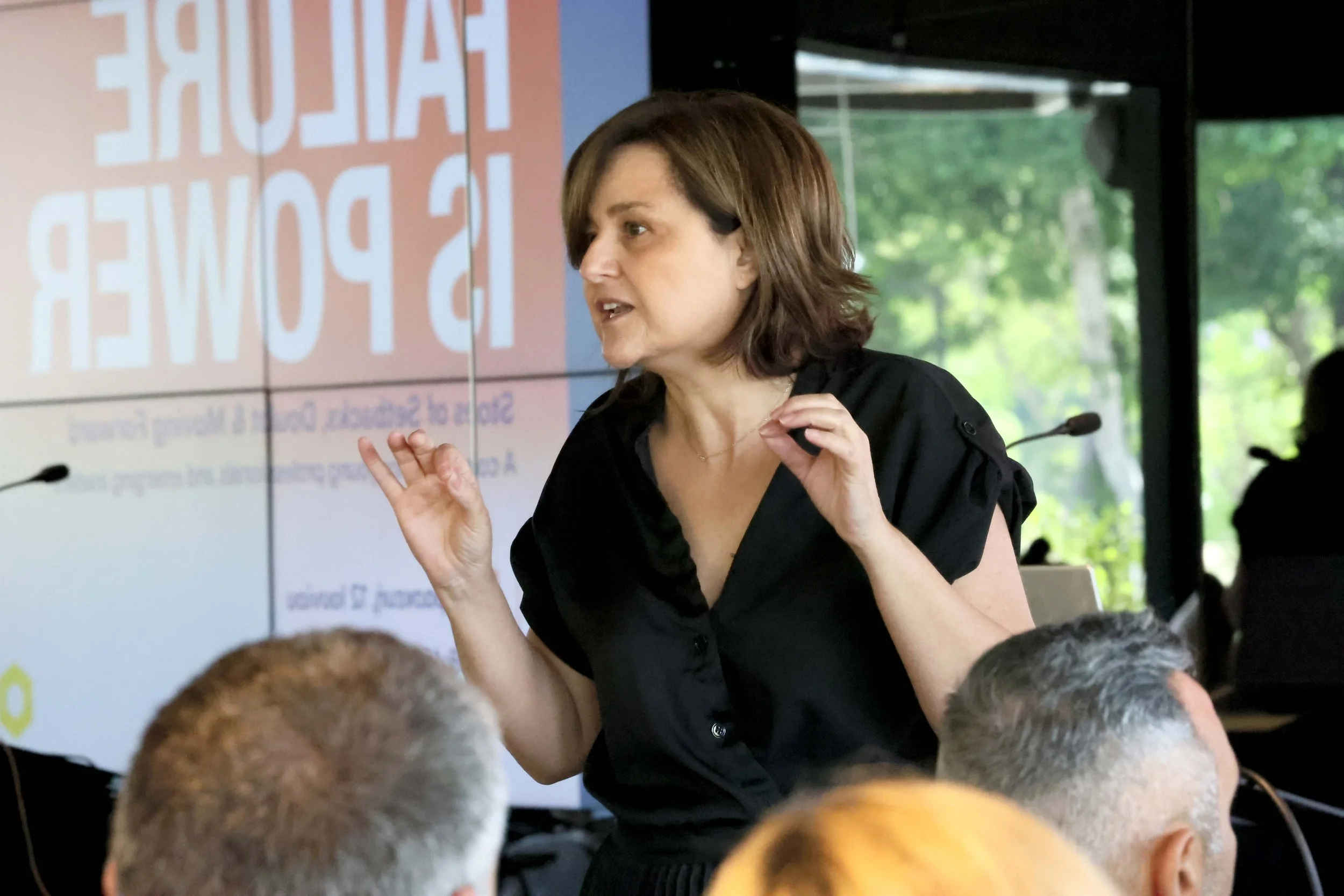
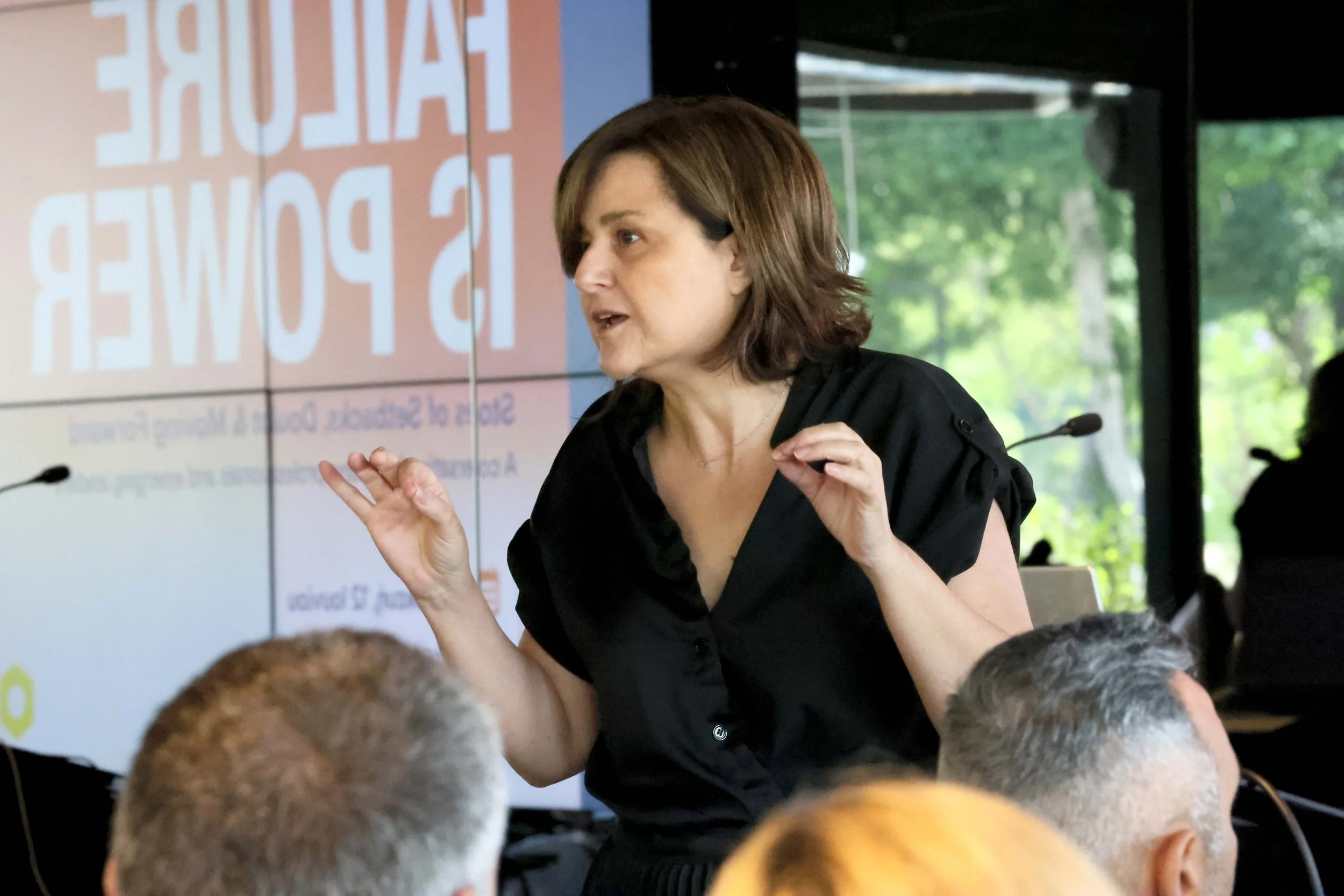
On 12 June in Nicosia, Elli & Co and The Compass Training co-hosted the second Failure is Power event, “Setbacks, Doubt & Moving Forward”.
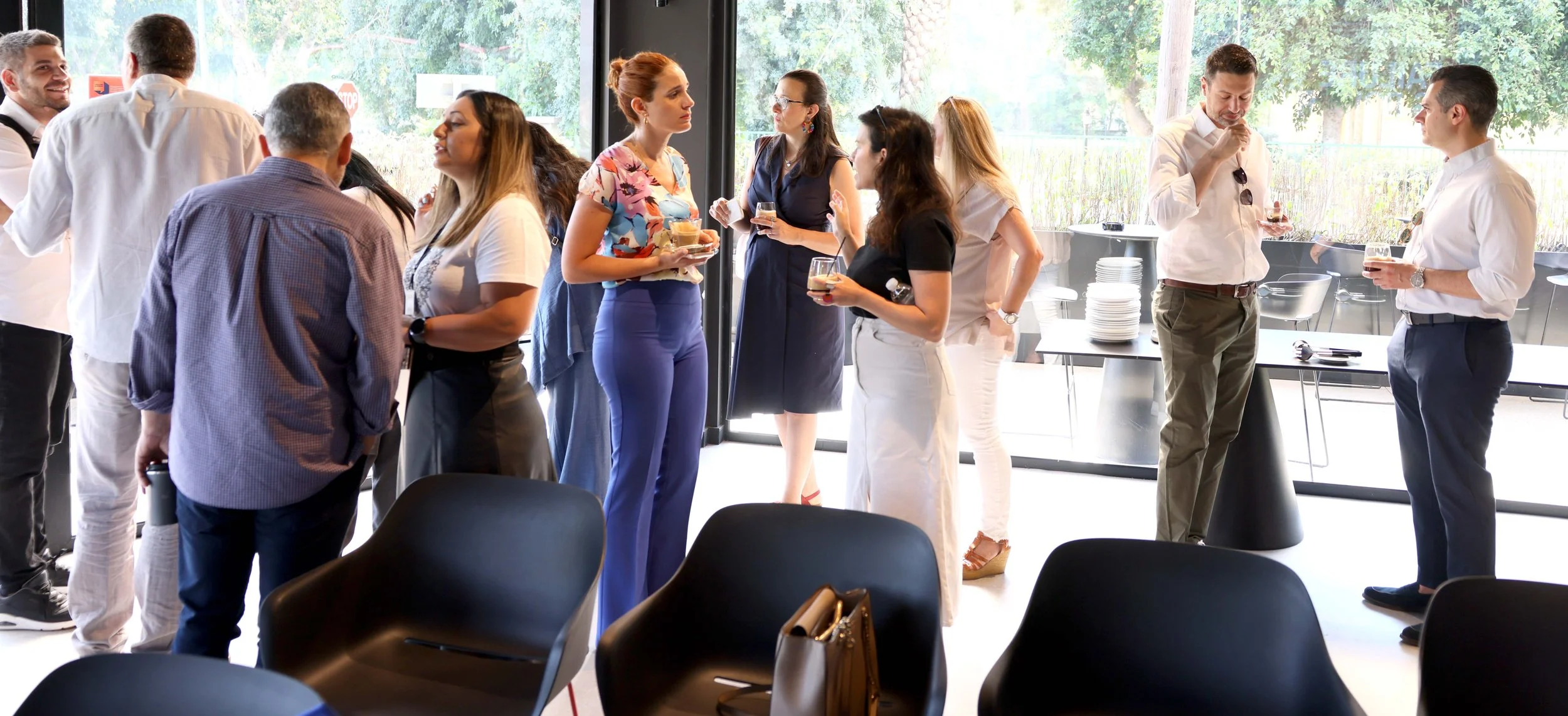
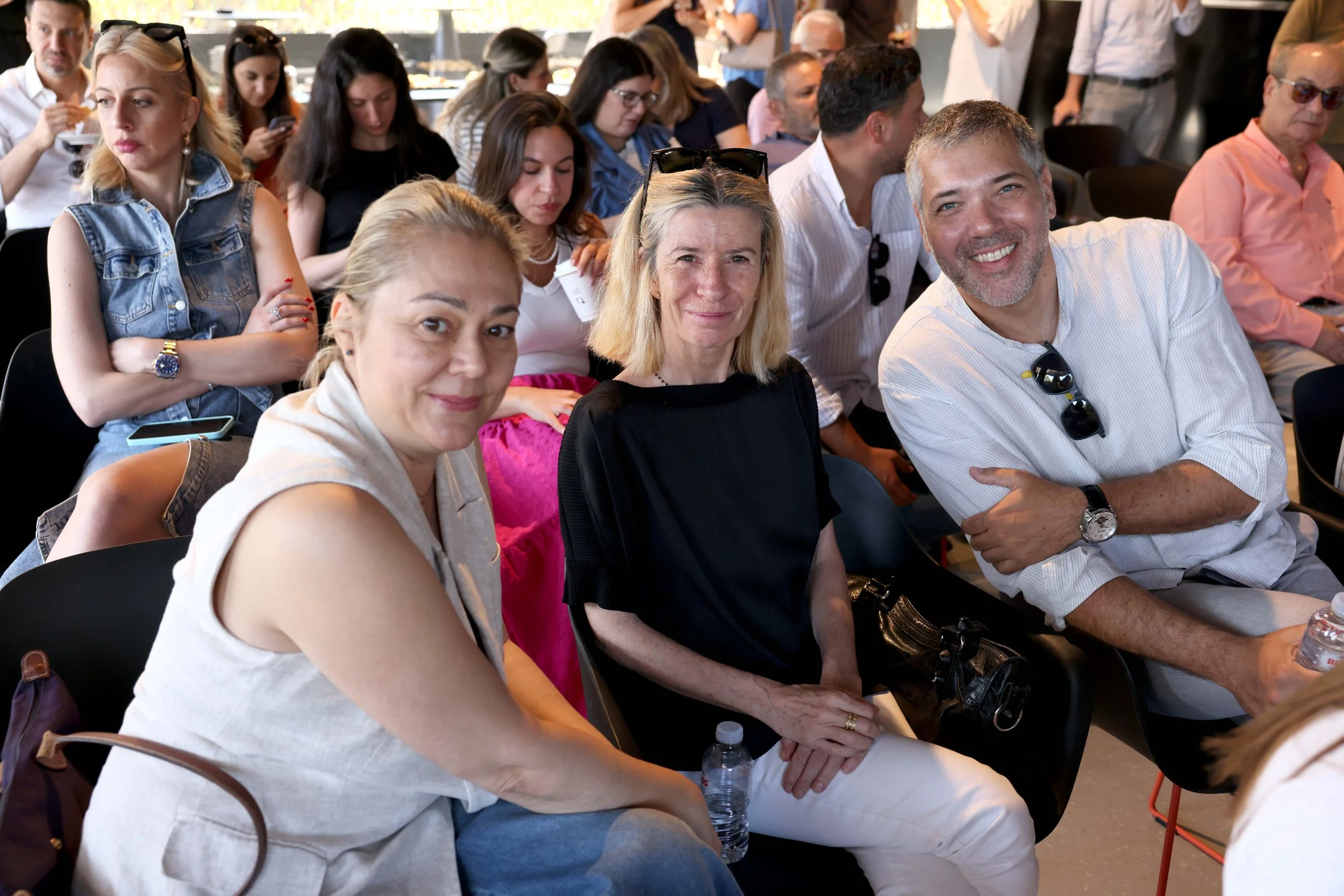
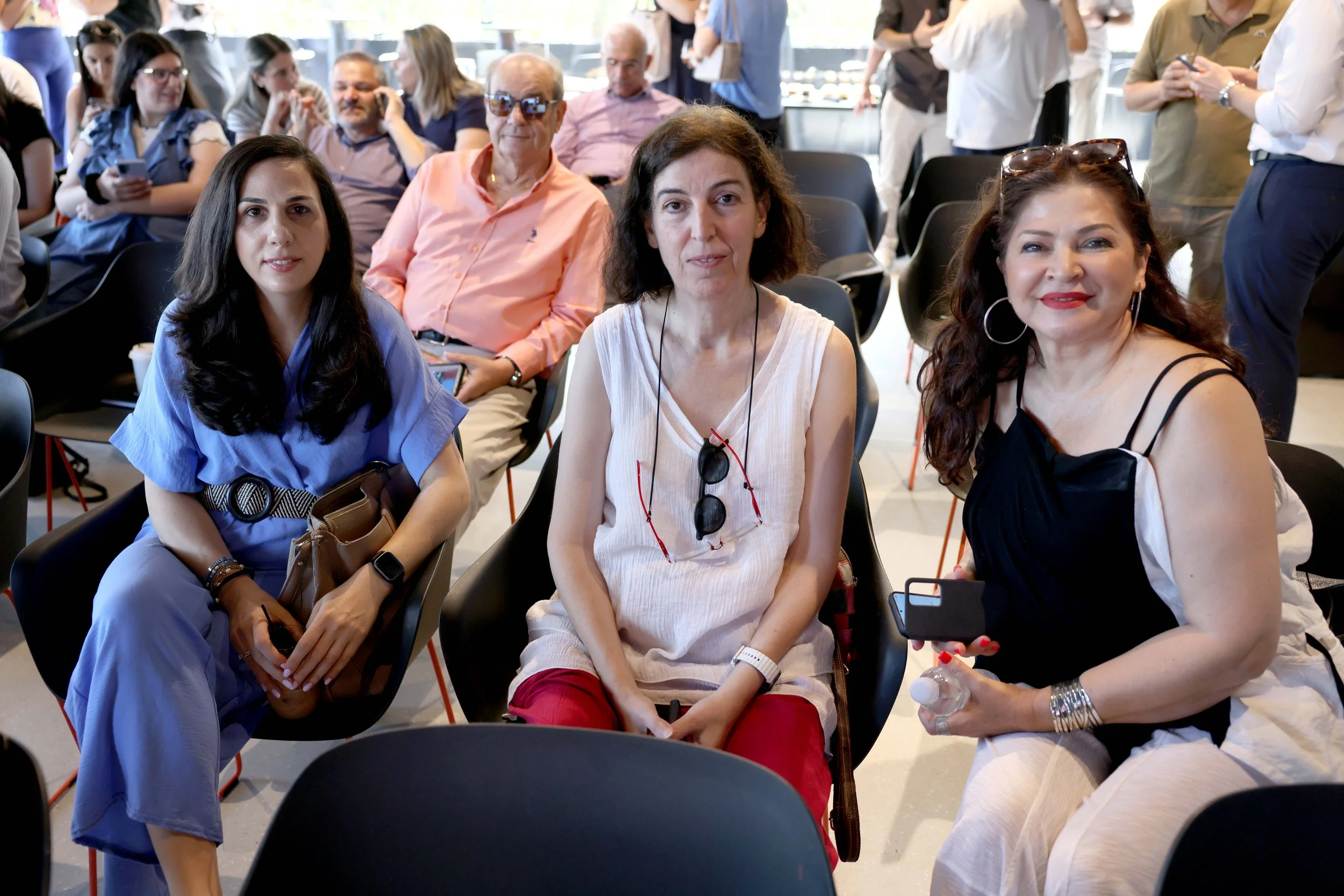
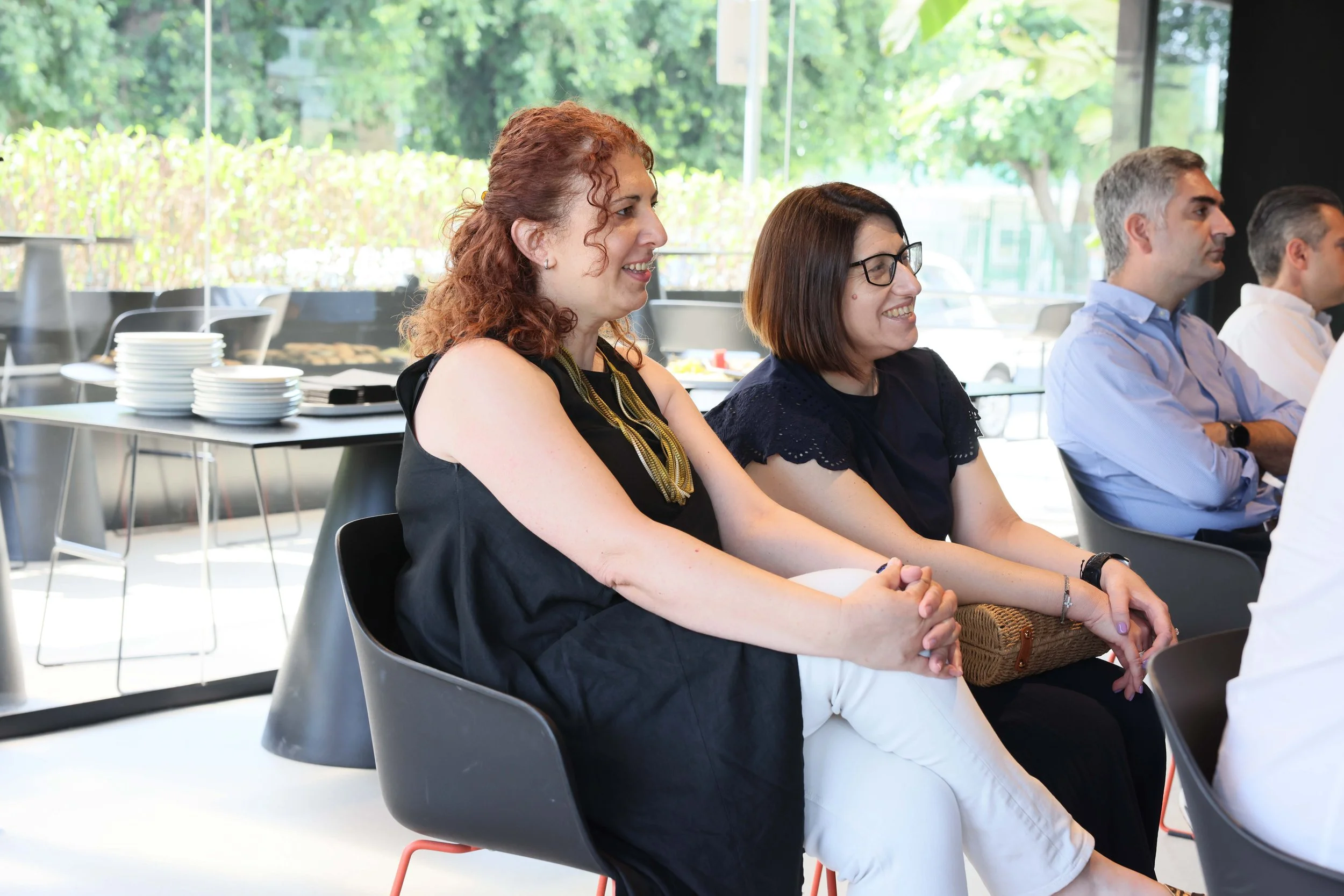
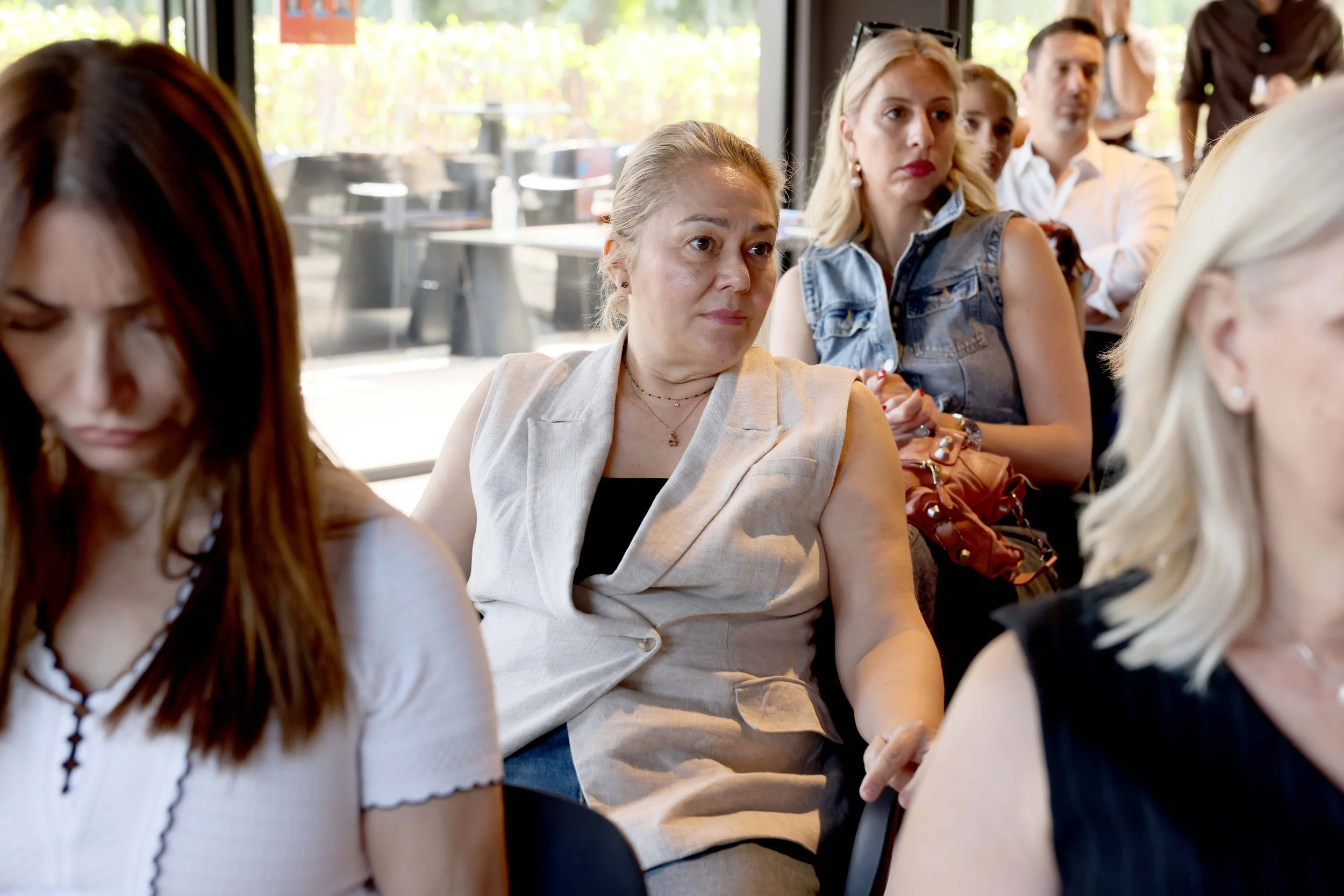
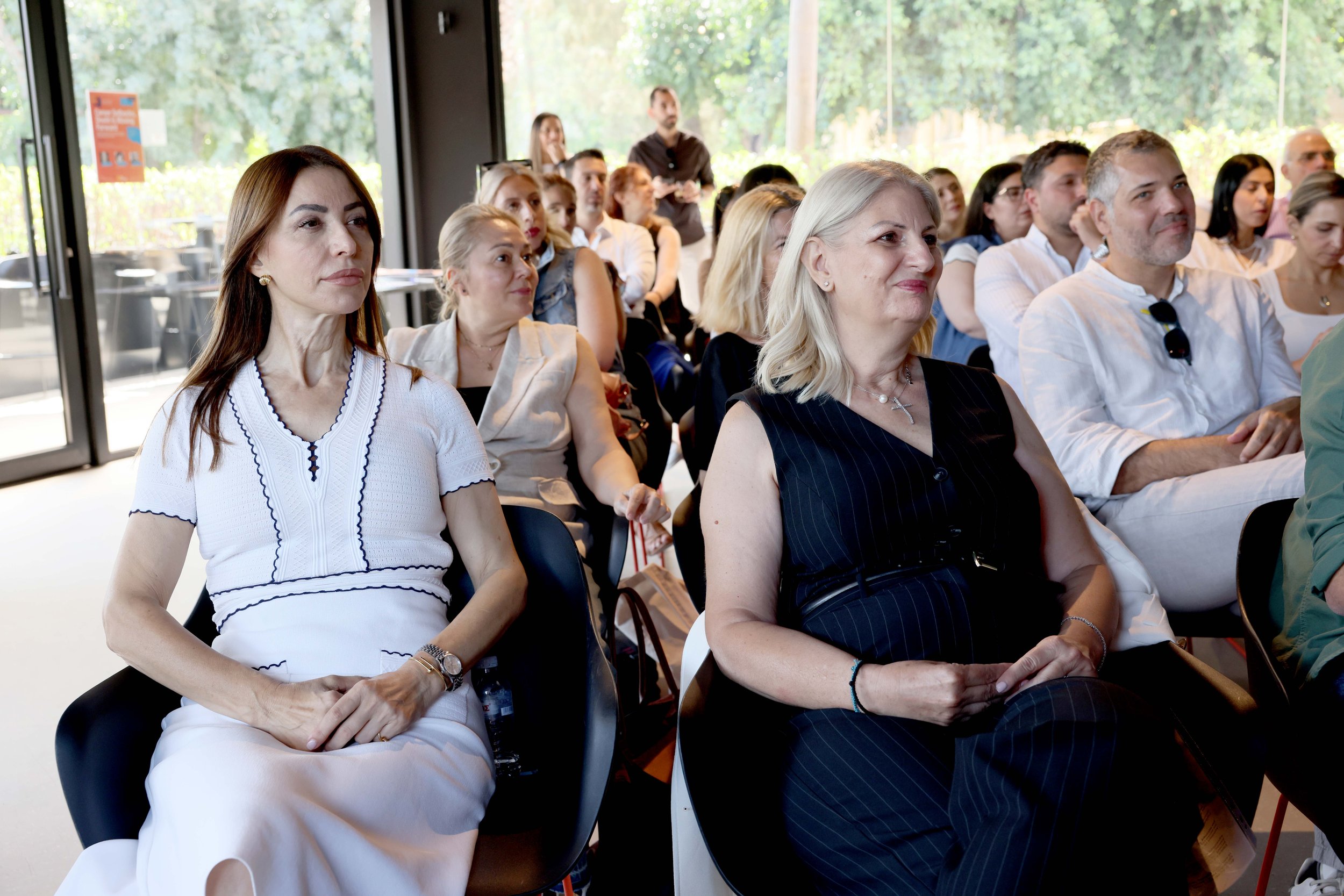
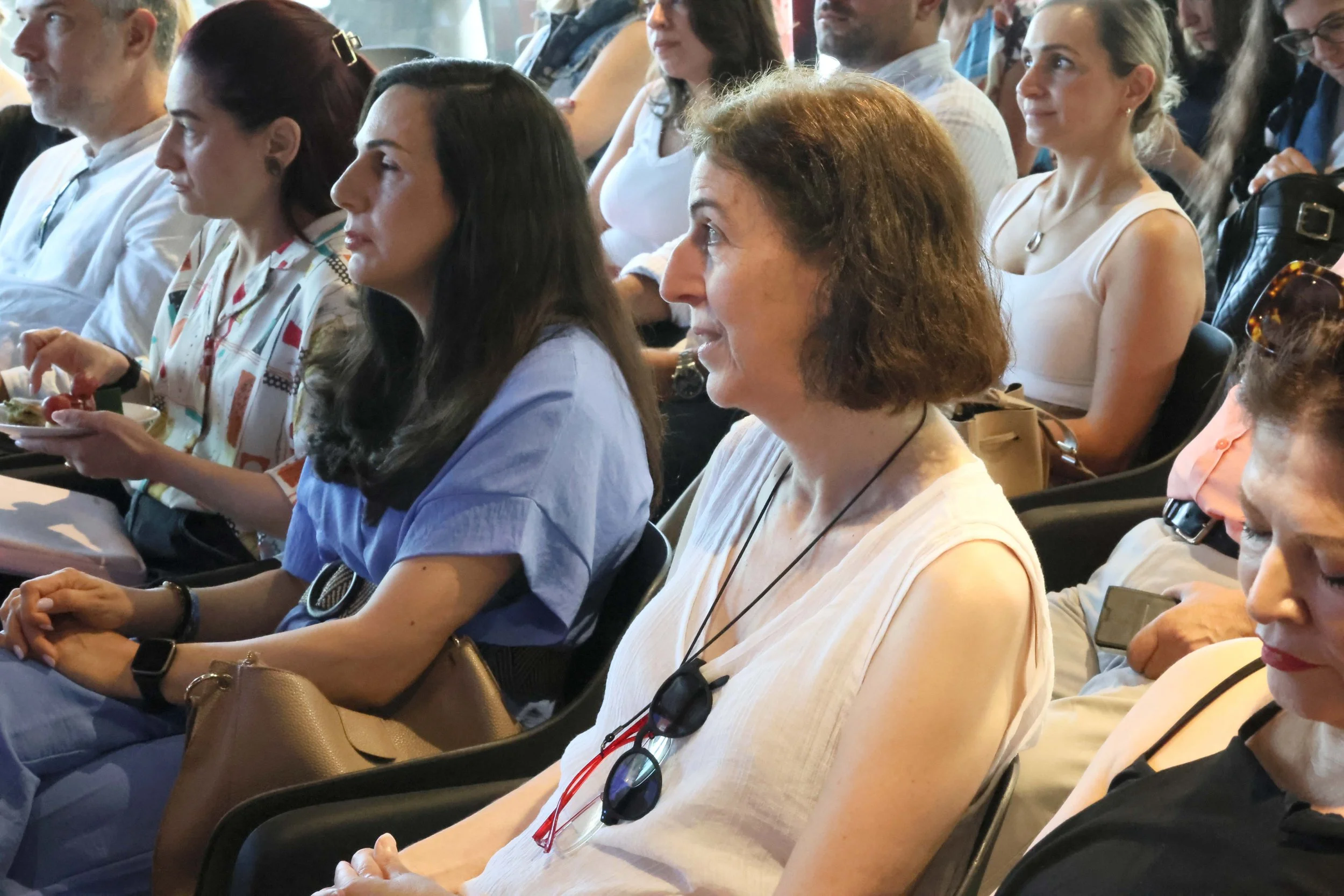
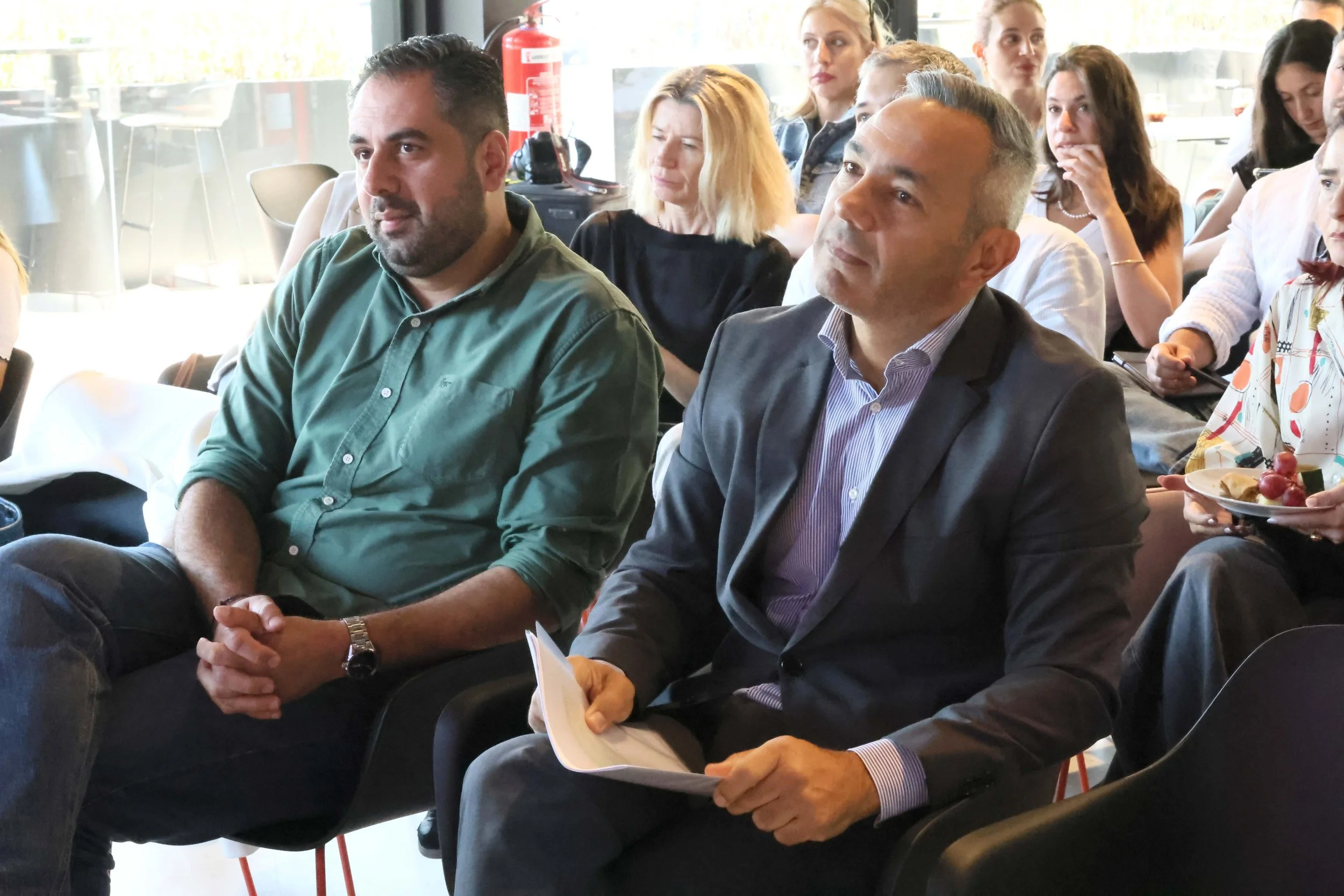
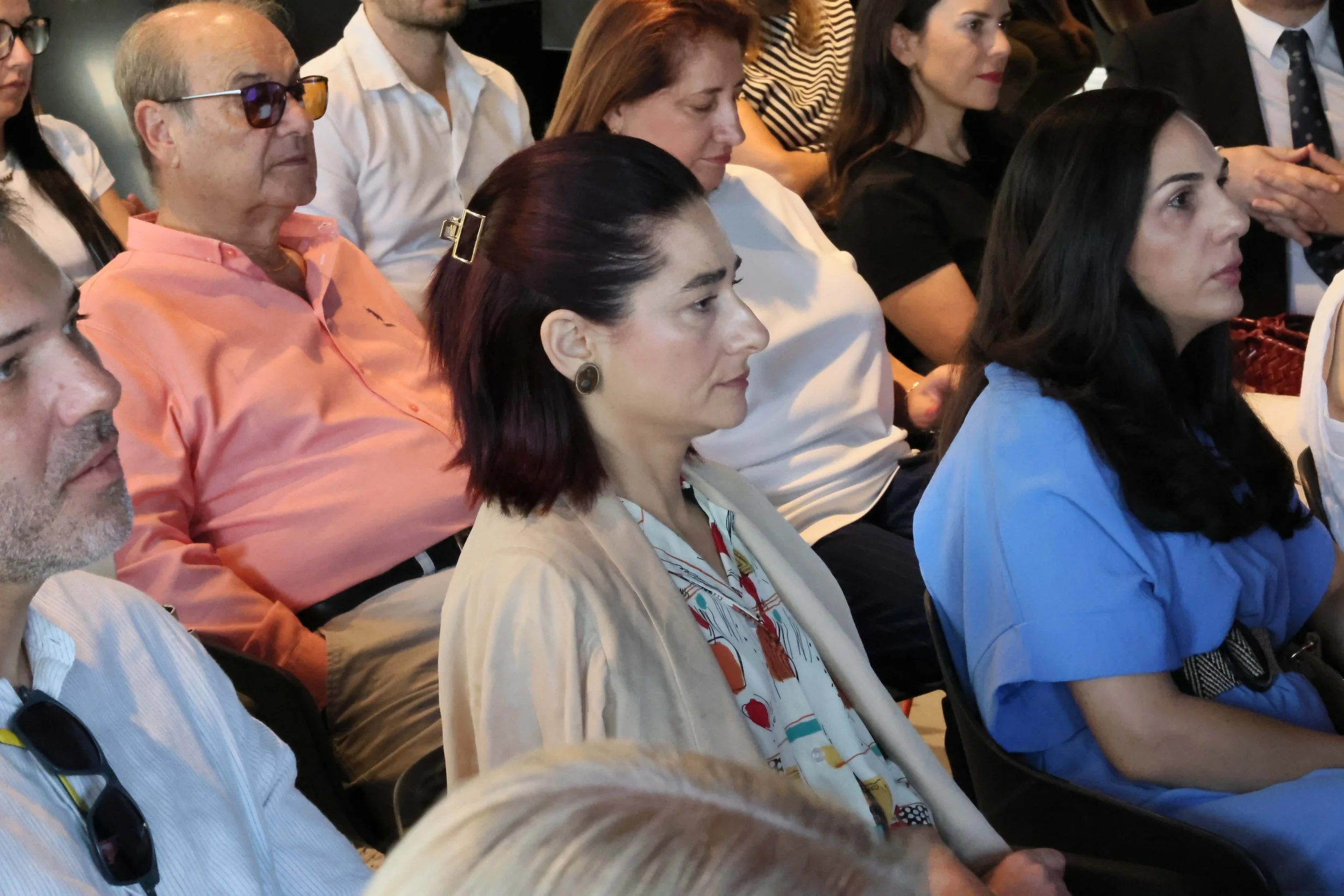
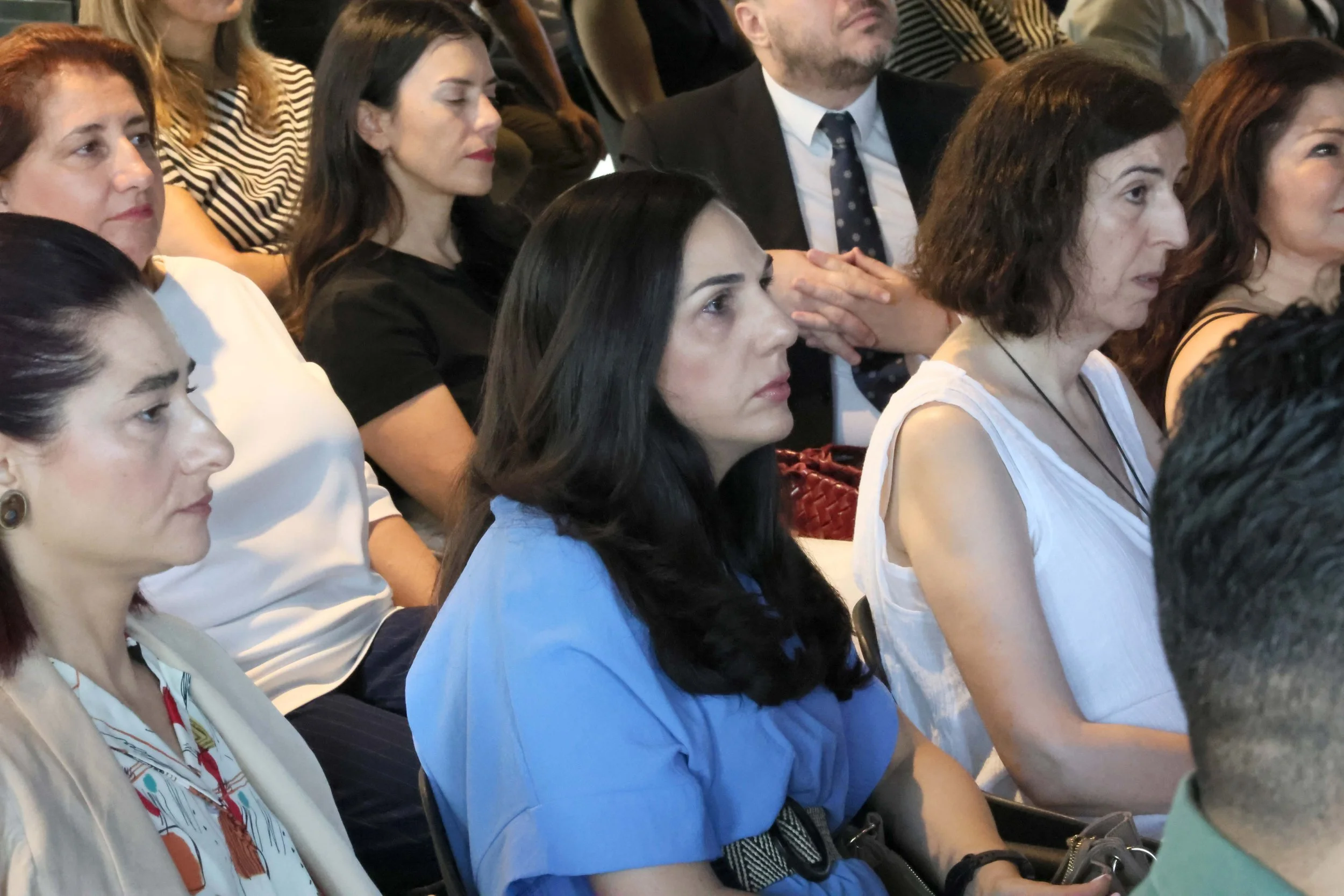
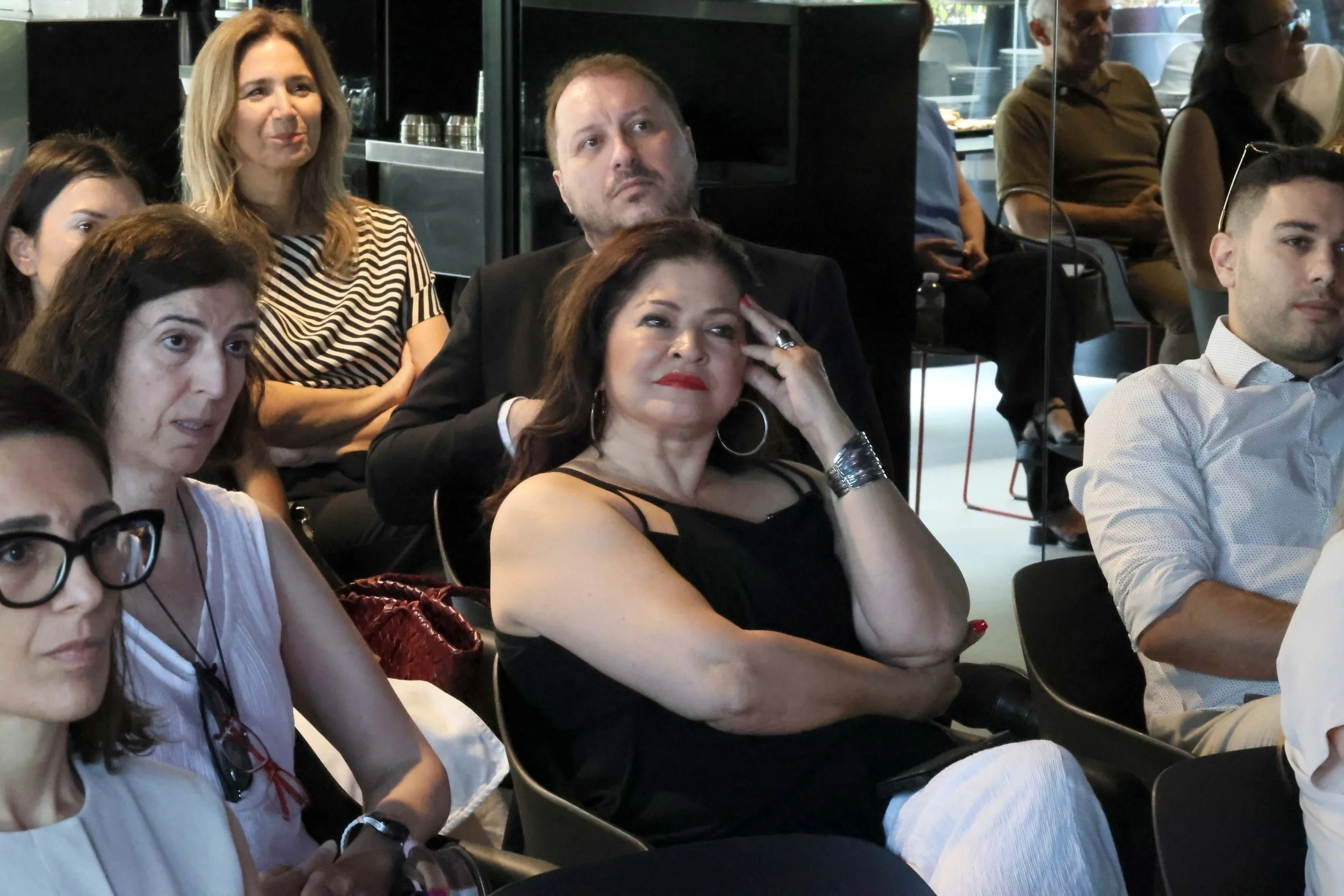
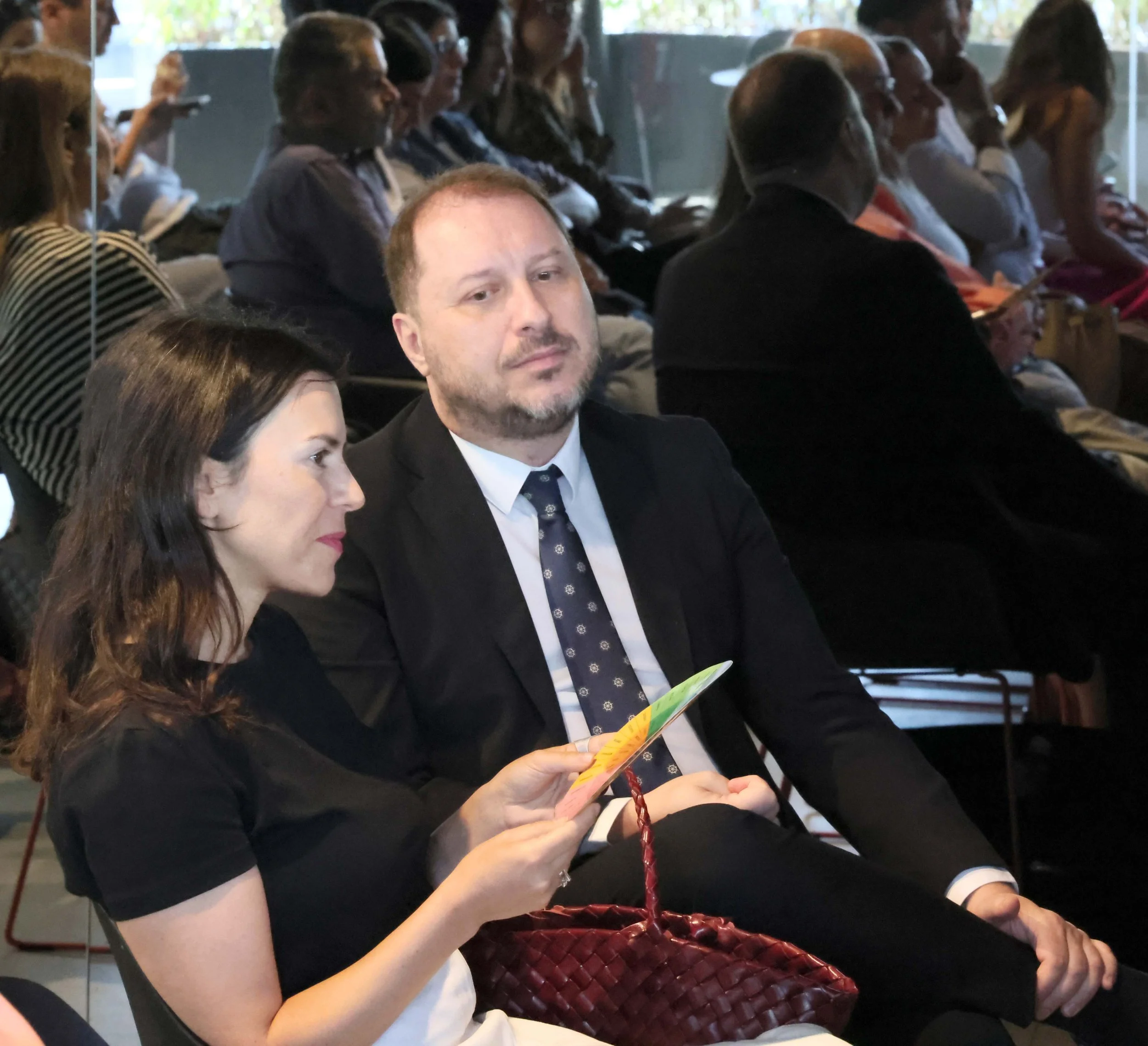
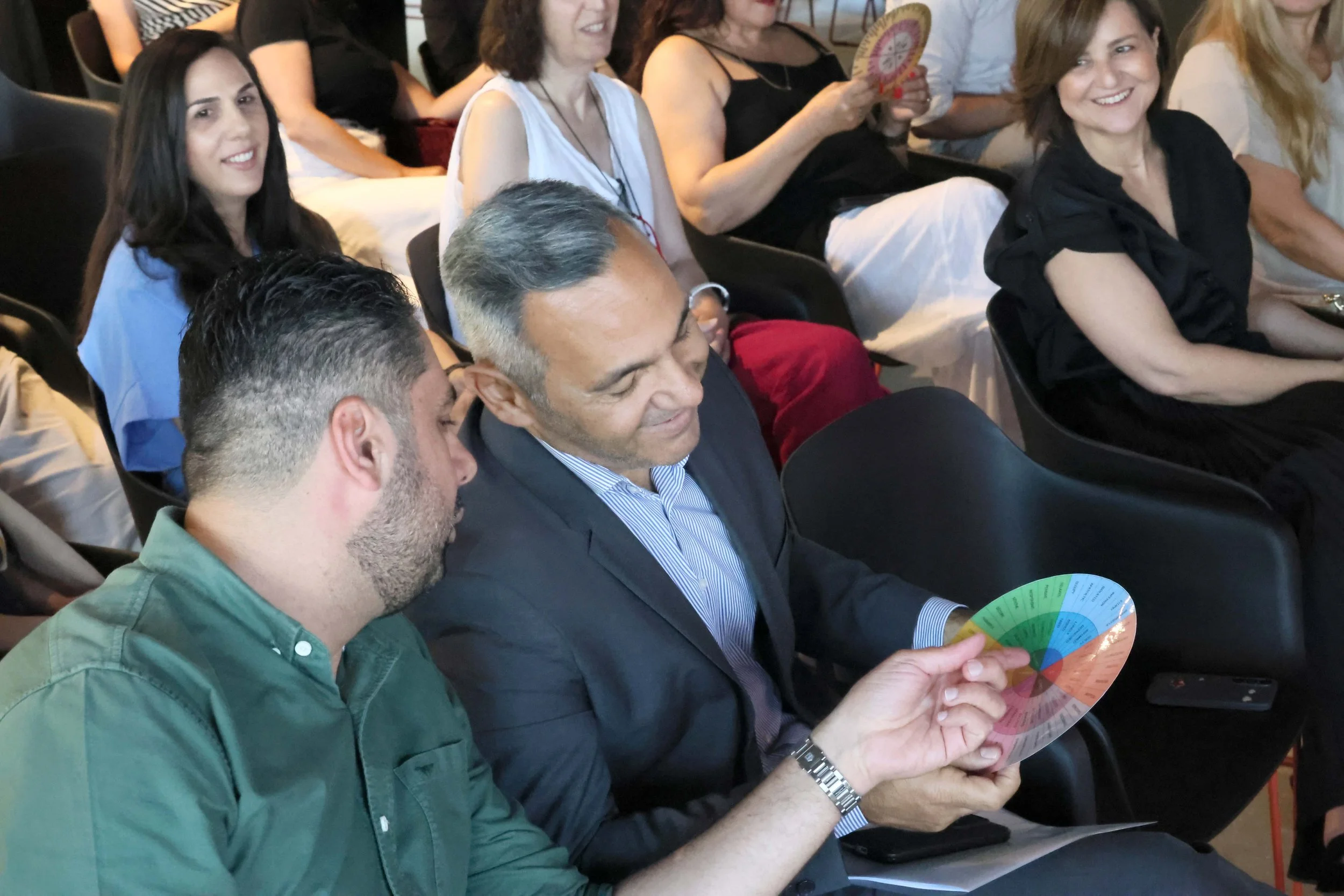
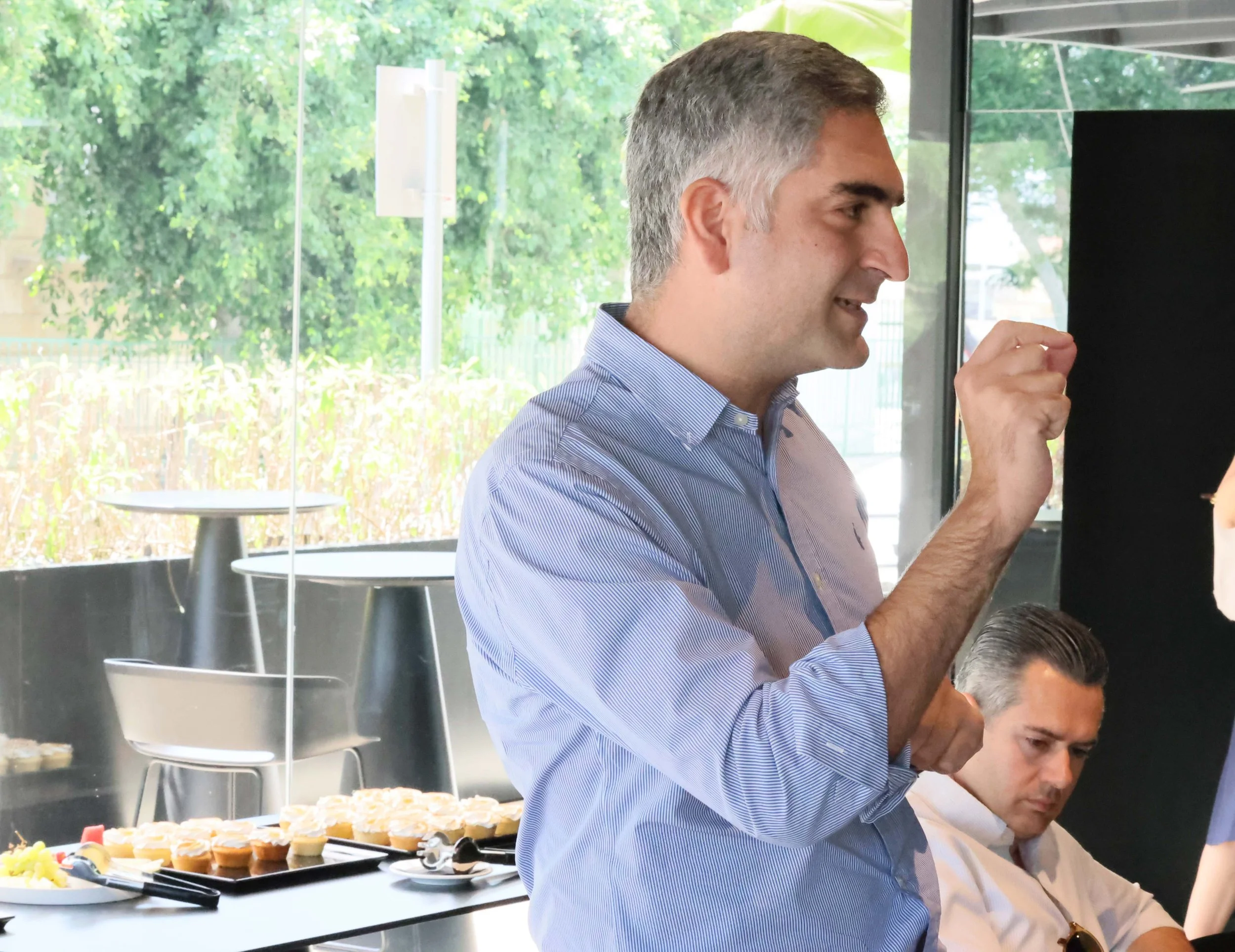
We brought together around 50 professionals, managers and business owners from more than 35 organisations for a conversation that moved in a very different direction from what people normally expect from such events. We weren't there to discuss frameworks or organisational systems. We were there to talk about the personal, messy, often private experience of failing, in our careers, our choices, our identities.
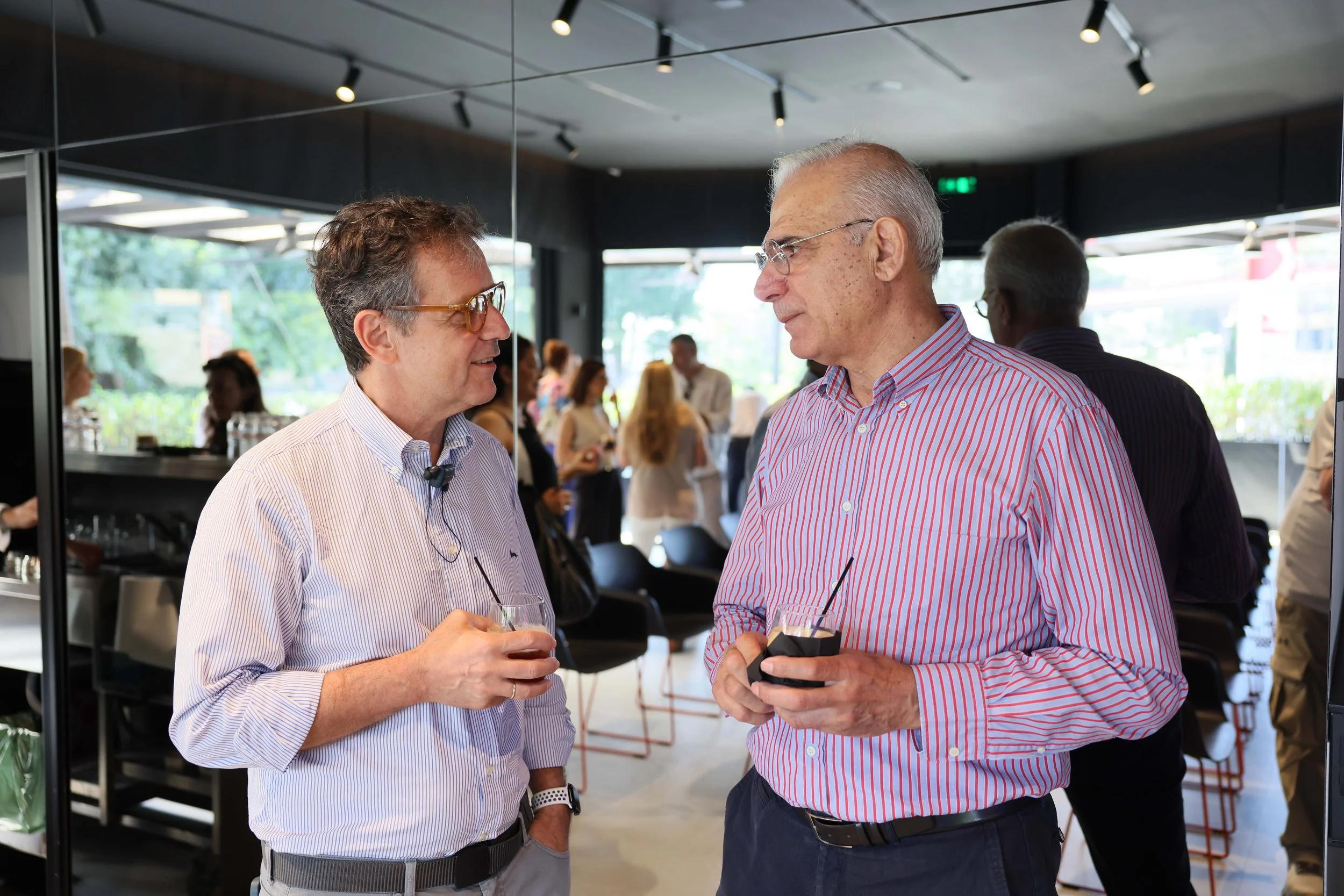
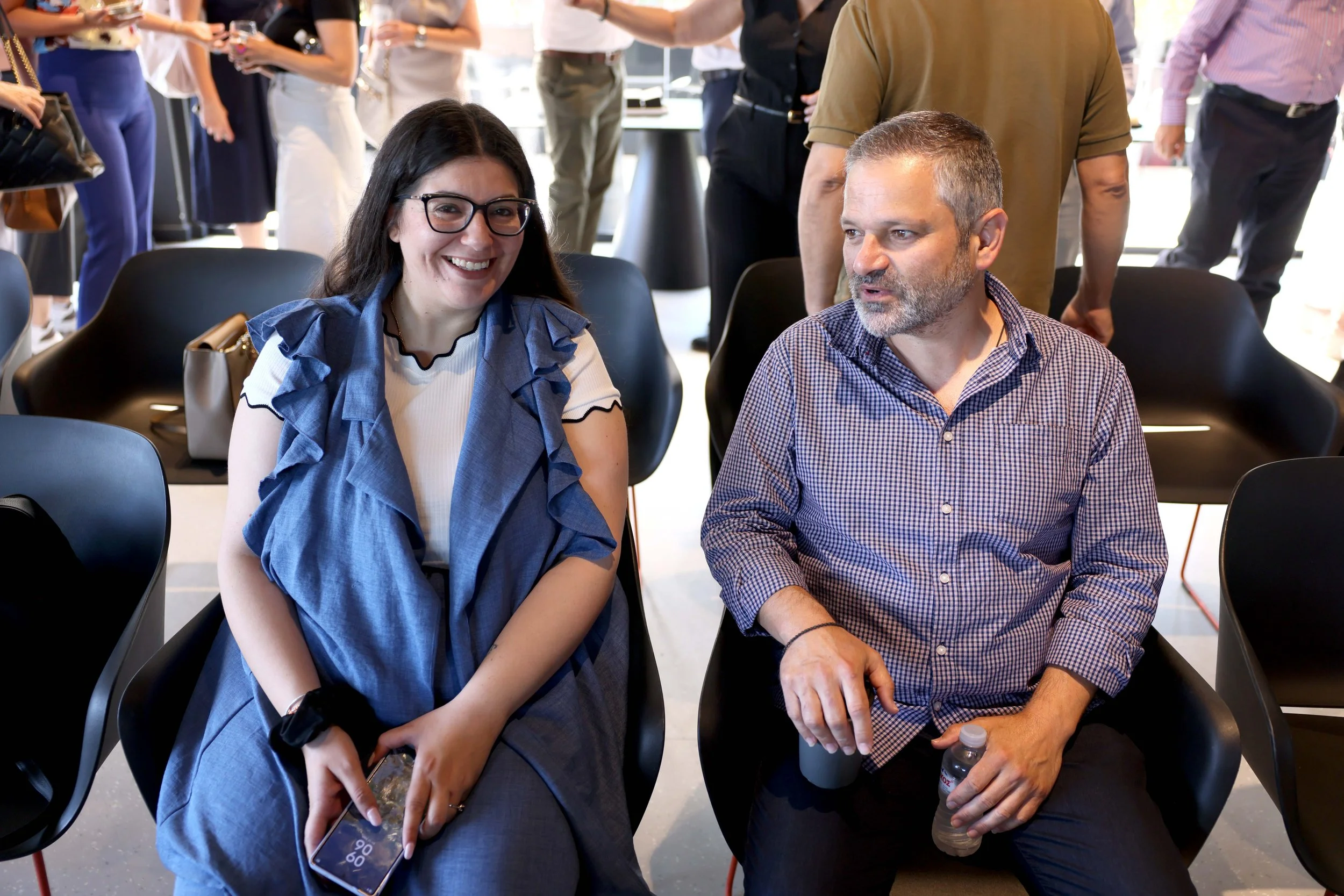
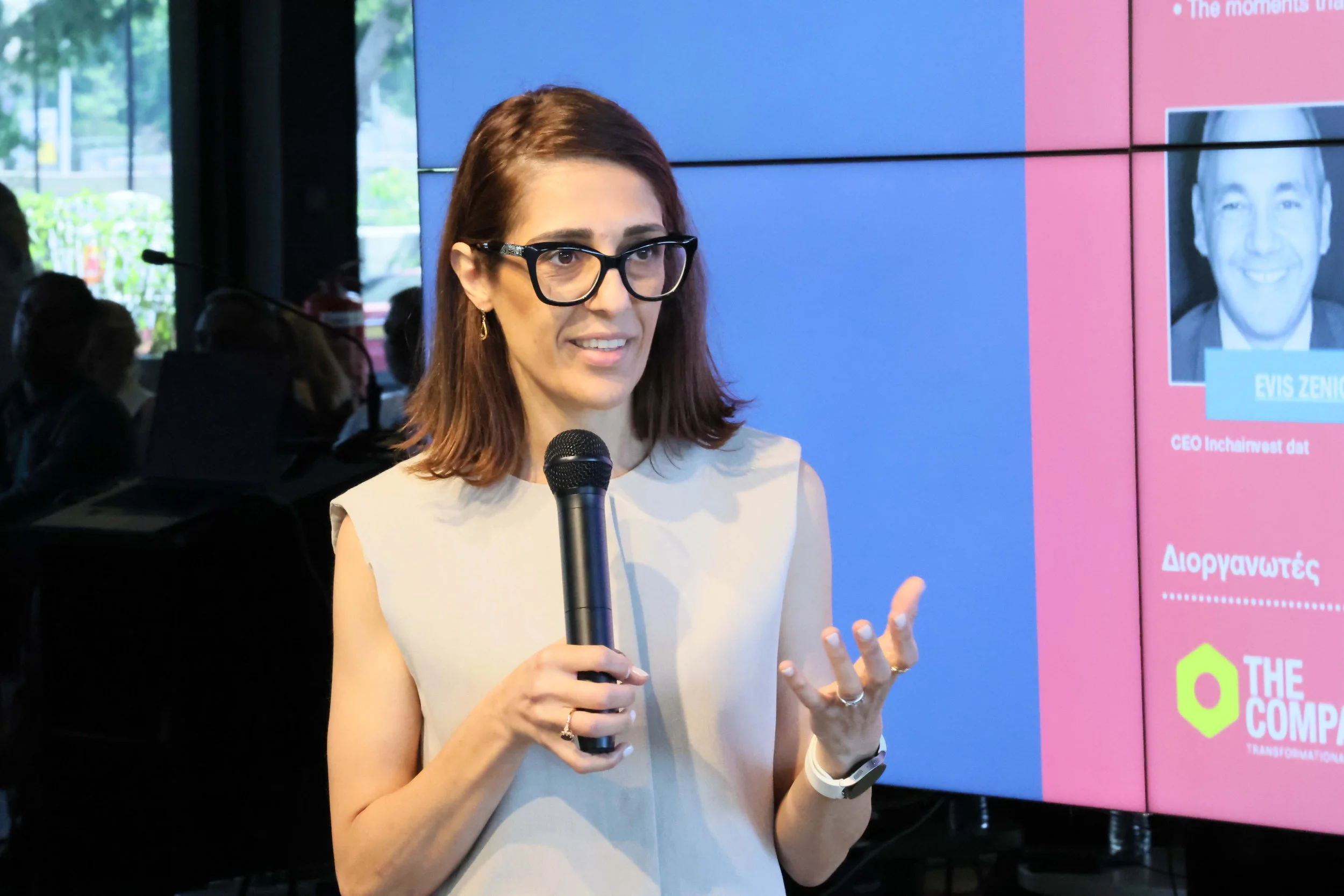
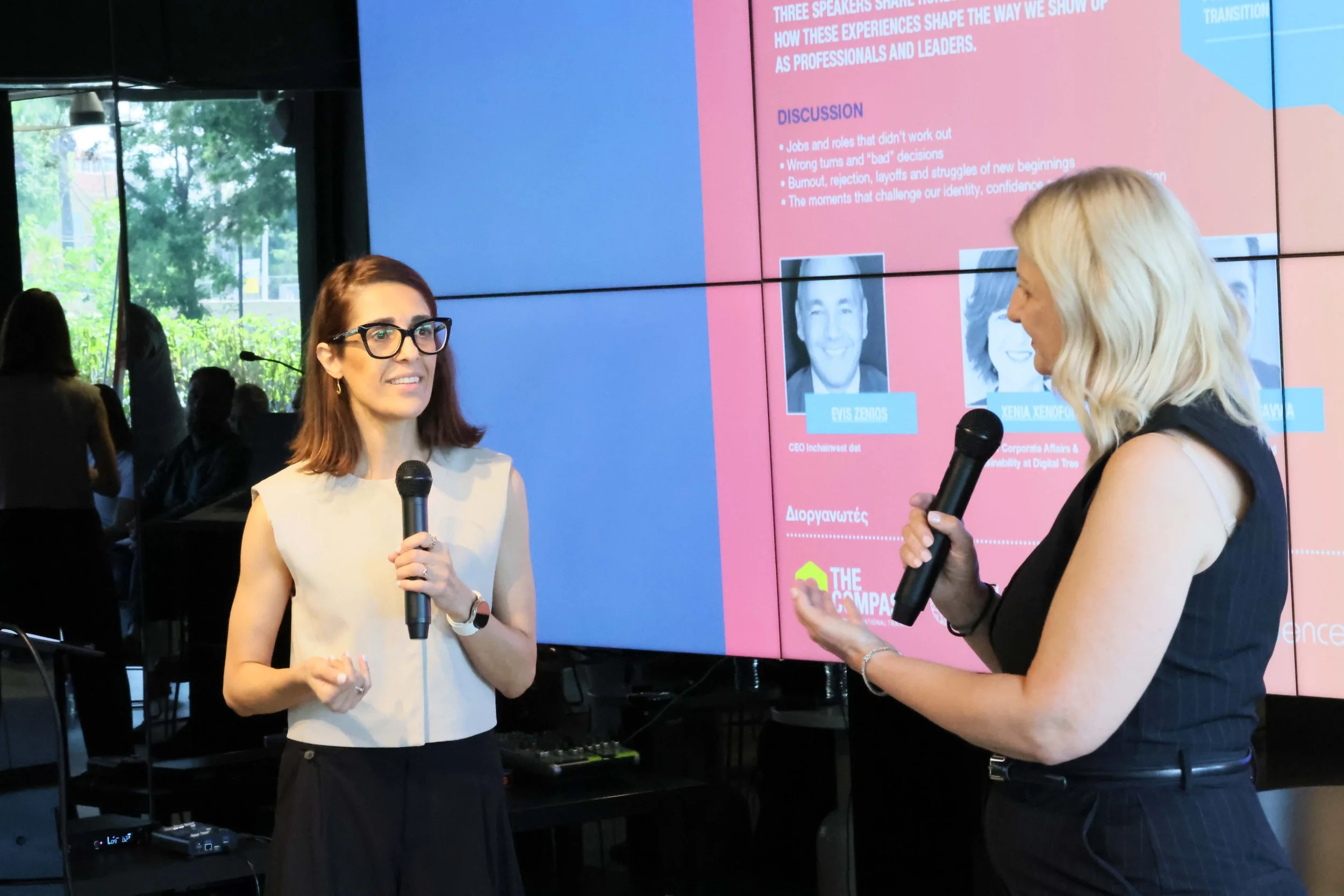
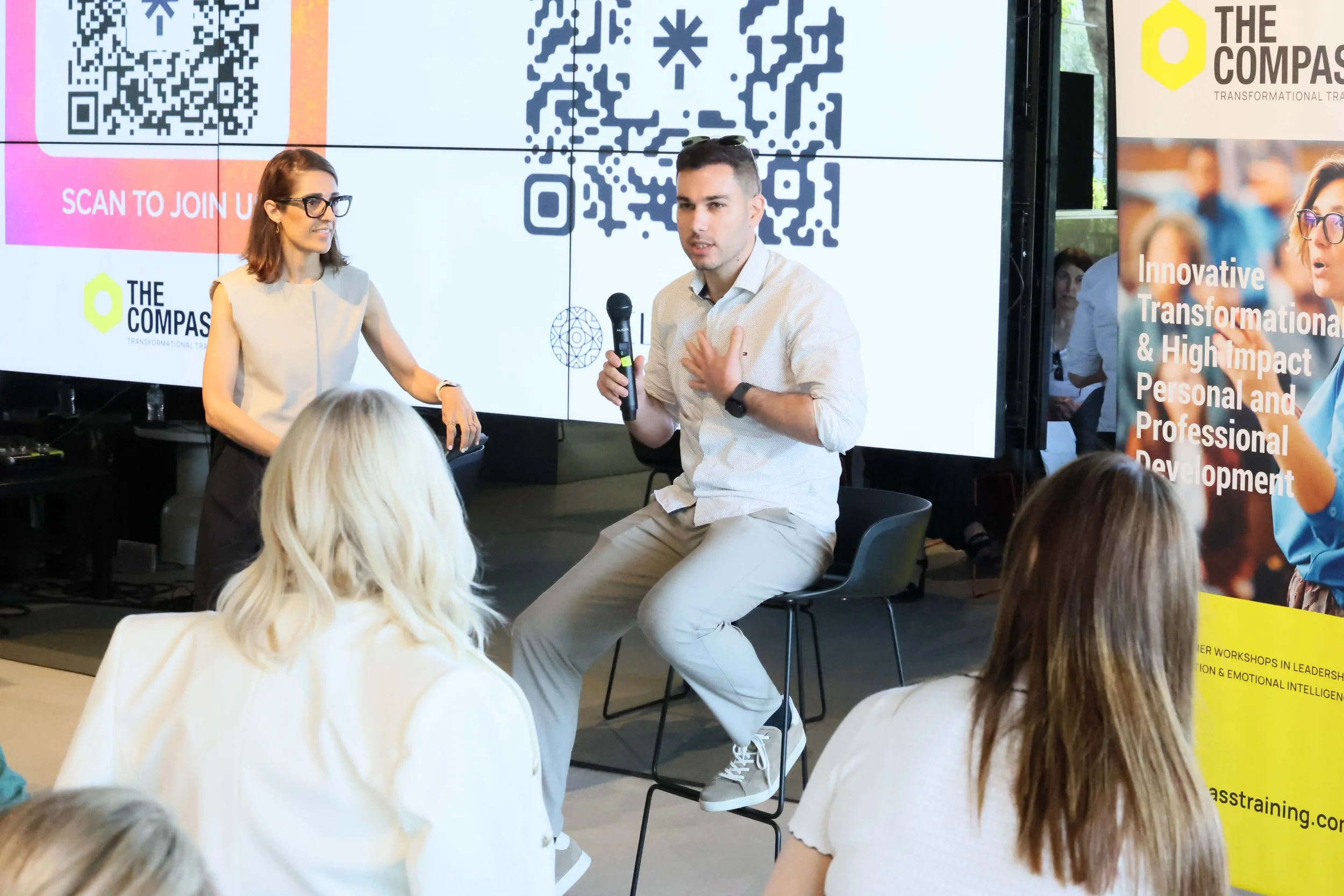
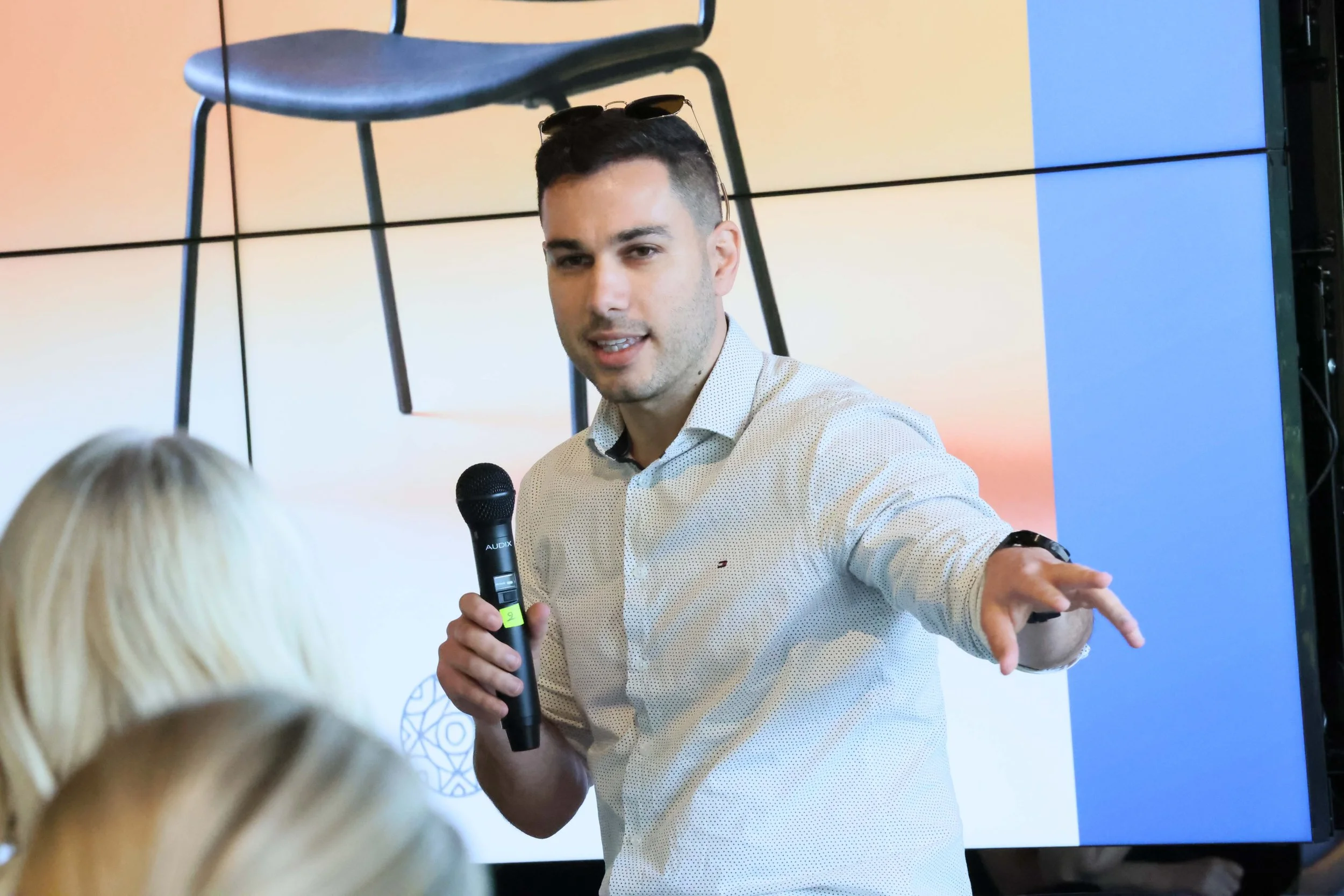
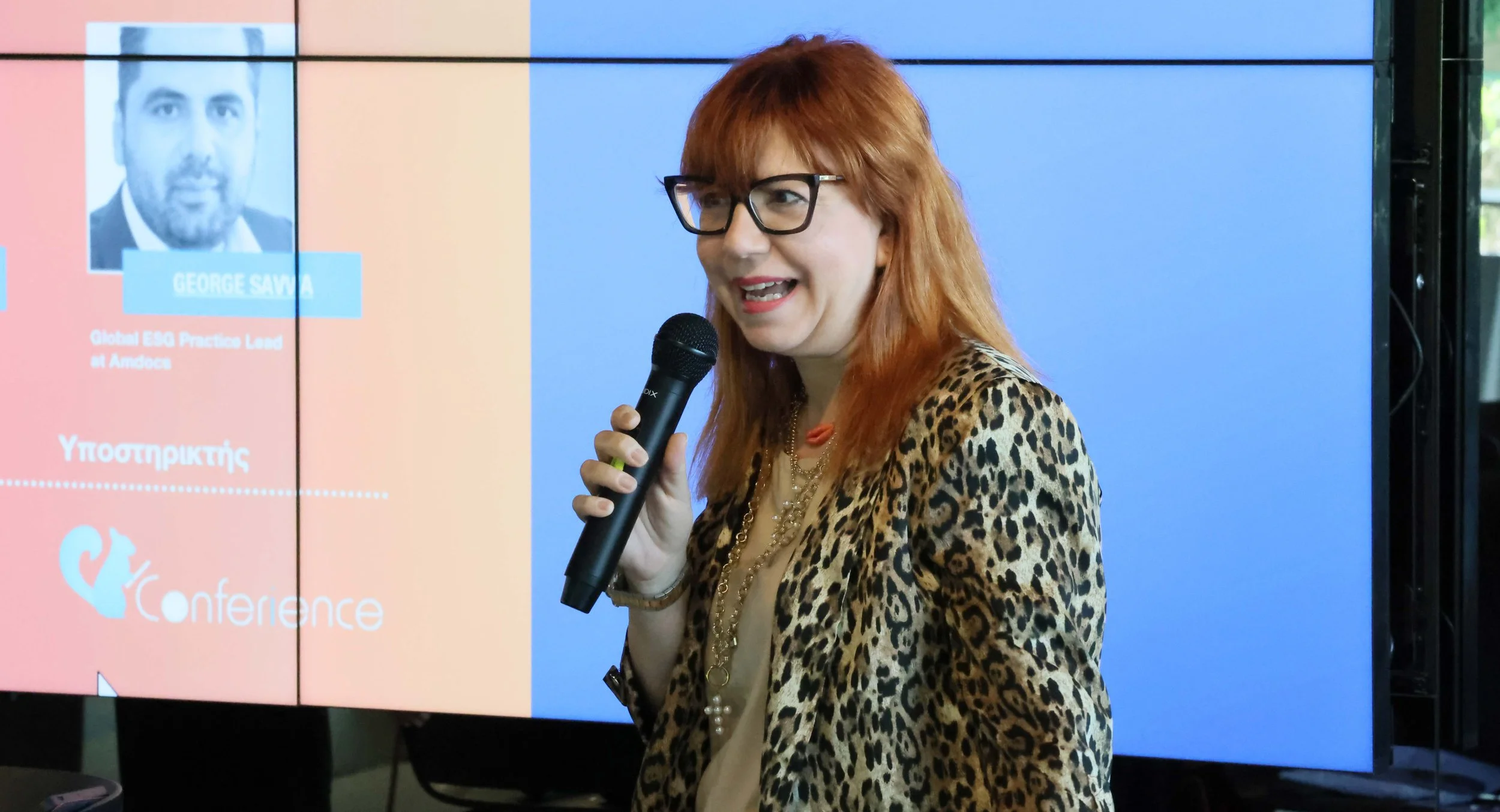
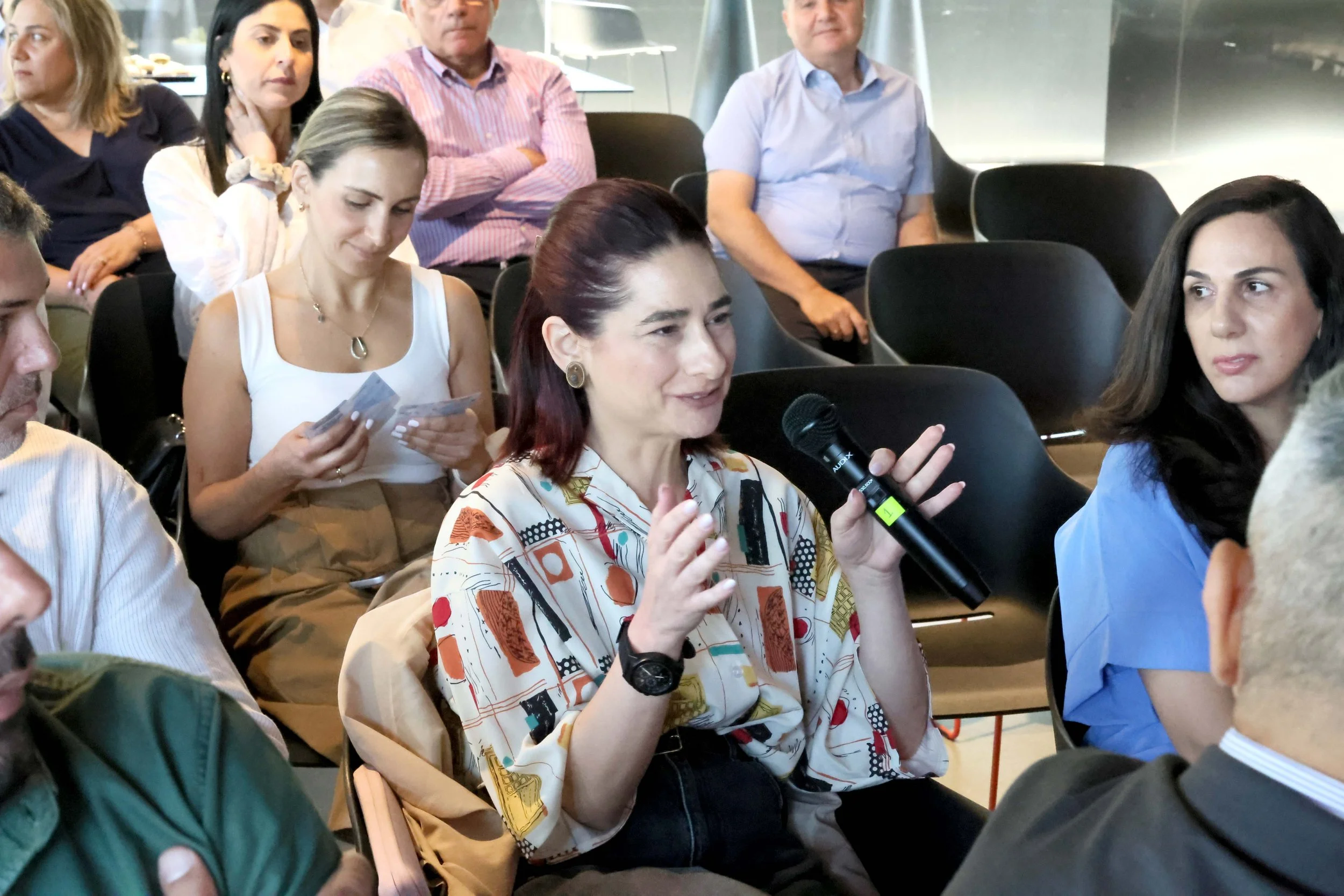
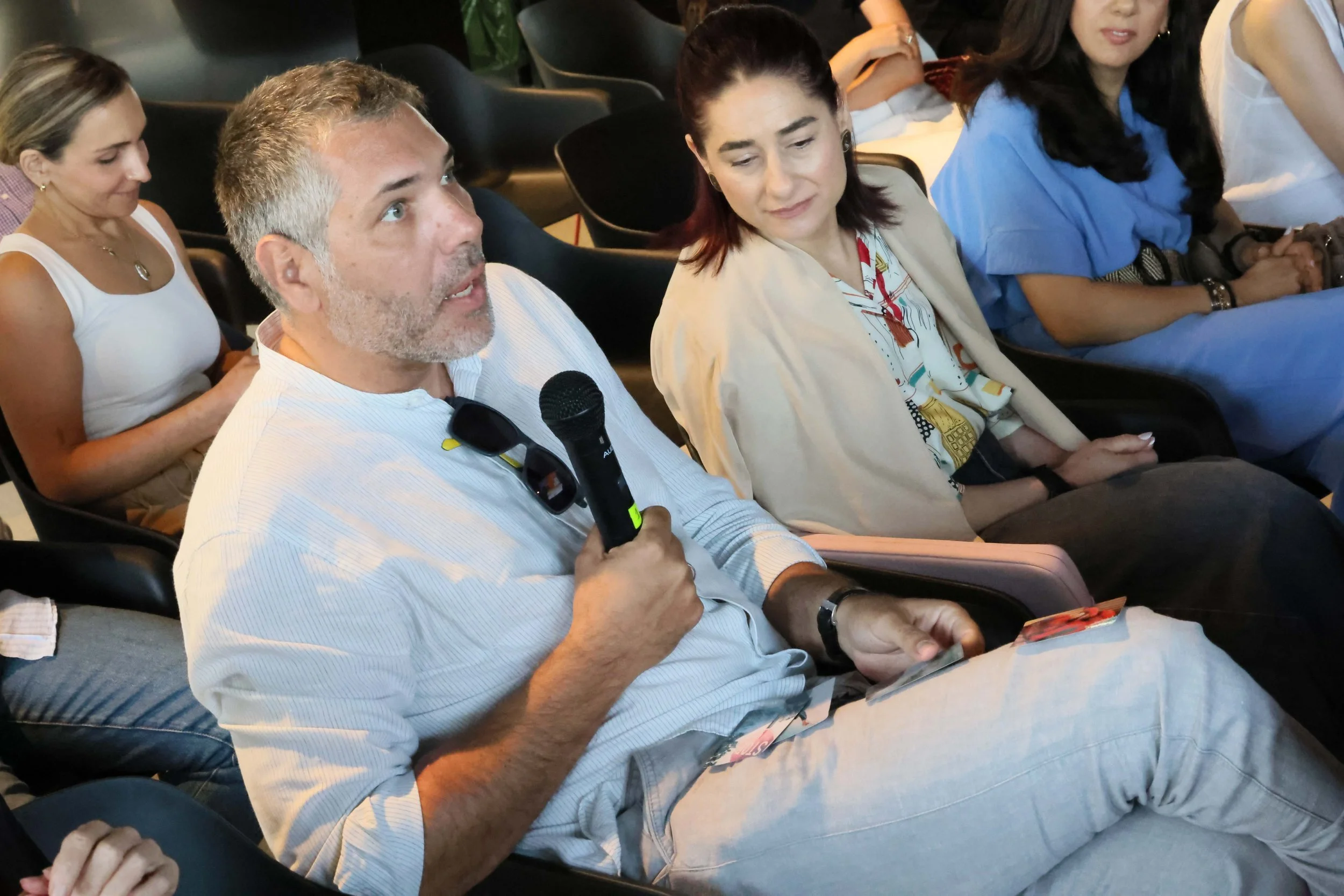
The format was deliberately different too. After three story-based talks, the room became the conversation. Through a live fishbowl discussion, people stepped forward, took the mic and shared what they were actually carrying; not the polished version, the real one.
What happened in the room was an honest and human professional conversation; one that "the business leaders and the corporate world really need," as one of the participants stated at the end of the event.
The three stories that opened the room
Each speaker brought a different version of failure and together they covered ground that most professional events never touch.
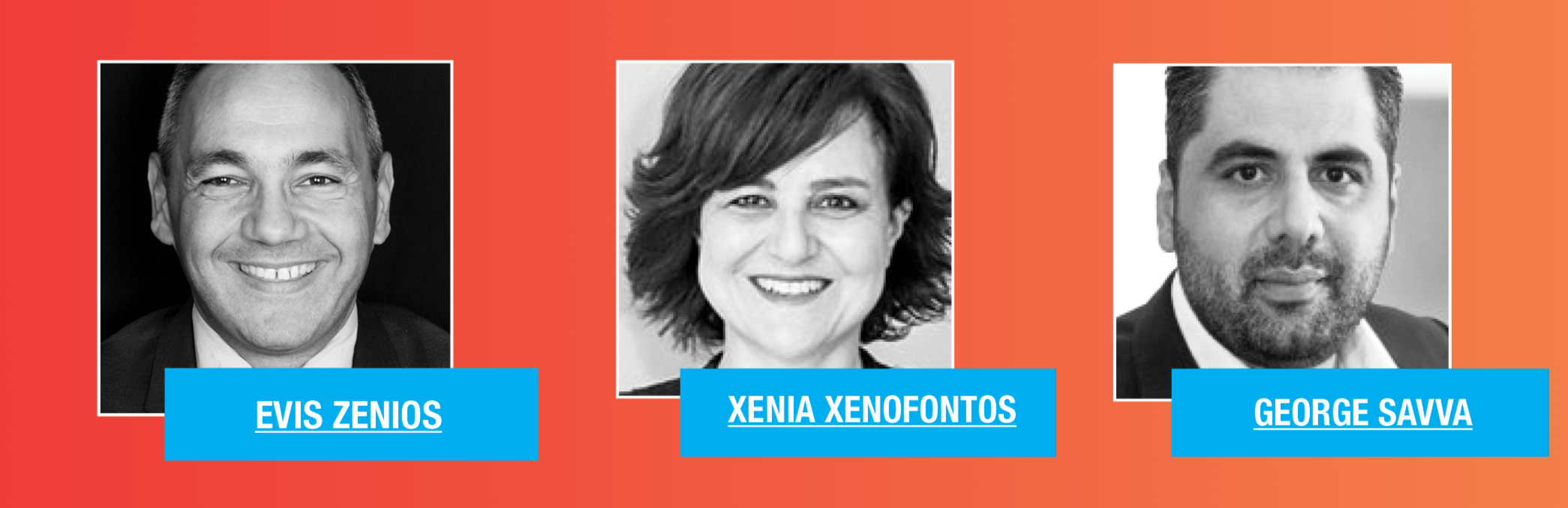
Xenia shared how she built a life that looked right on paper; finishing medical school, following the expected path and the moment she recognised it wasn't hers. Her story was about the courage it takes to disappoint expectations of those you love.
George found himself in a role that asked him to do something it was never designed to handle: making people redundant. His story was about what it costs to carry institutional weight that shouldn't have been yours to carry, and what you do with that.
Evis had his story take a different shape entirely. A family business failure that became a legal prosecution for something he wasn't responsible for. And then, a changed law. His story wasn't just about survival. It was about what becomes possible when the worst thing that happened to you becomes a reason to change something for others.
Three different people, three very different stories, one room that was completely still by the time they finished.
What the conversation surfaced
Once the fishbowl opened, several themes emerged consistently as lived experiences people named out loud.
The failure that isn't really yours. One of the most resonant observations across the room was this: in almost every story of failure, there is a part of it that doesn't actually belong to the person carrying it. Institutional pressure, family expectations, circumstances outside anyone's control. We spend years holding weight that was never ours to hold and rarely ask the question: which part of this is actually mine?
Men and women don't fail the same way, or at least they don't experience failure the same way. The conversation on gender was one of the most energised of the morning. Women reported that failure tends to be internalised, felt as a statement about who they are, not just what happened. Men reported something different: the pressure to perform competence and conceal struggle, which produces a different kind of isolation. The room didn't resolve the duality, neither the tension on this matter; it wasn't supposed to. But naming it clearly mattered.
What leaders do in the moment of someone else's failure is the real culture signal. Several managers in the room reflected on this honestly; not what their organisations say about learning from mistakes, but what they actually do in the moment when someone on their team fails. The gap between those two things is where culture lives or dies.
The weight we carry silently is heavier than the failure itself. The hardest part of the morning, and in some ways the most important, was when people shared failures they hadn't yet found a space for. Not past failures they had resolved. Current ones. Ongoing ones. Things they had been carrying without anywhere to put them down. The room held that and something in the room changed when it did.
And some reflections from Elli
Whenever I host or facilitate an event, or even when I coach a team, I take some time after the end to reflect on what happened, on how it landed and what the emotions were that stood out during the process. There are great insights from these reflections that inform my next actions.
Reflection 1. I was amazed by how much people wanted to share and open up, especially in a room where they didn't know each other. The room was full of business executives, founders, managers — people who carry great responsibility for others. People weren't just willing to take the mic and share their personal stories, insights and thoughts; they wanted to do so. For some it was a way to release, for others a way to be seen, and for others a way to share. Because everyone needs something different.
Reflection 2. Professionals, no matter their title, seniority level, or how you see them in a usual professional context, can be vulnerable when the right conditions are in place; when the environment allows it.
Reflection 3. The bigger the size of an organisation or the importance of a brand, the bigger the challenge for people to show vulnerability and allow their flaws to be seen.
Reflection 4. Every time I finish such events or interventions, I'm reminded how much fulfilment I get from helping others get some of their shine back; either by letting go of something, or by being able to see a new way of doing things, a new vision, a new possibility.
One observation.
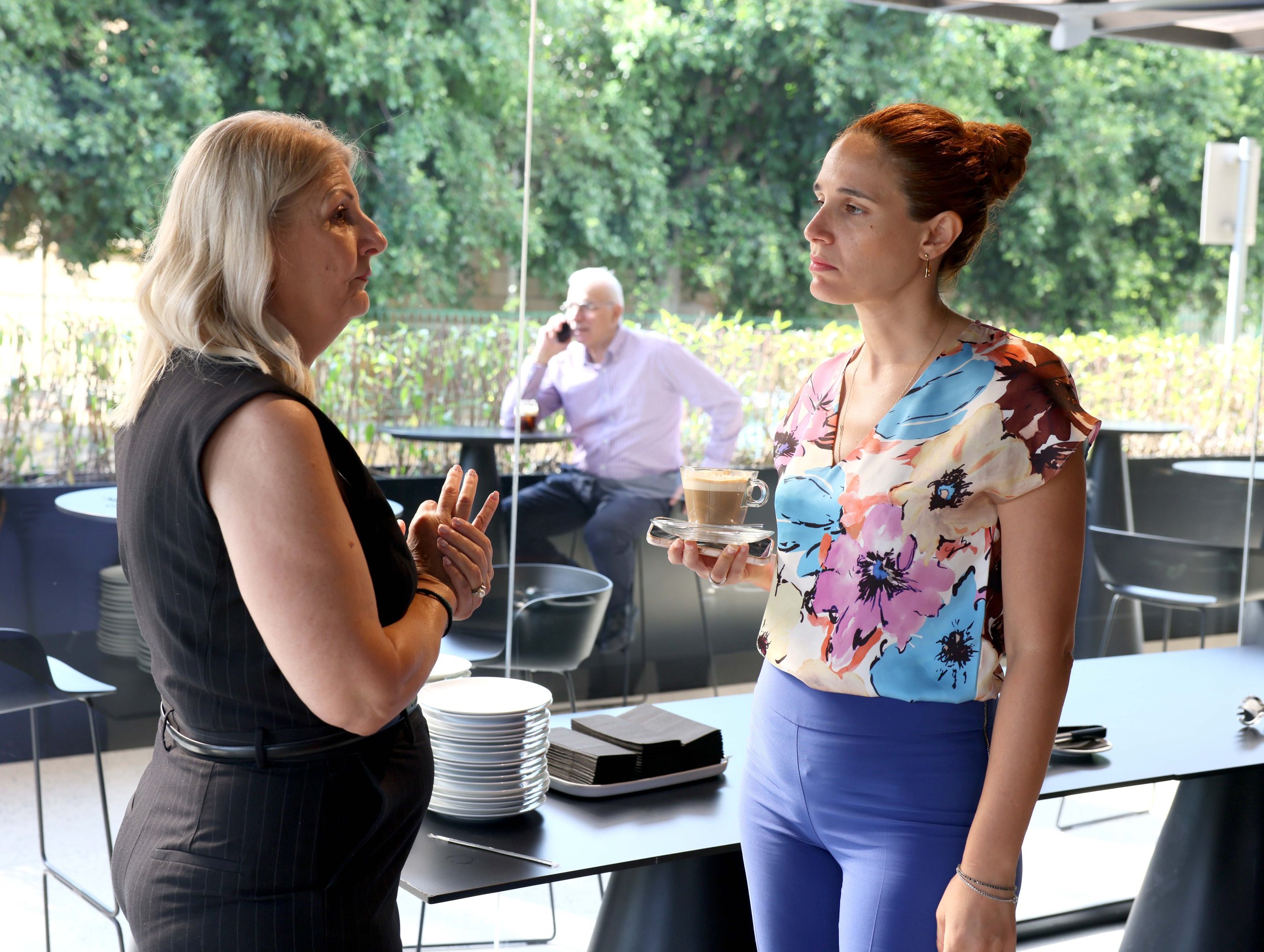
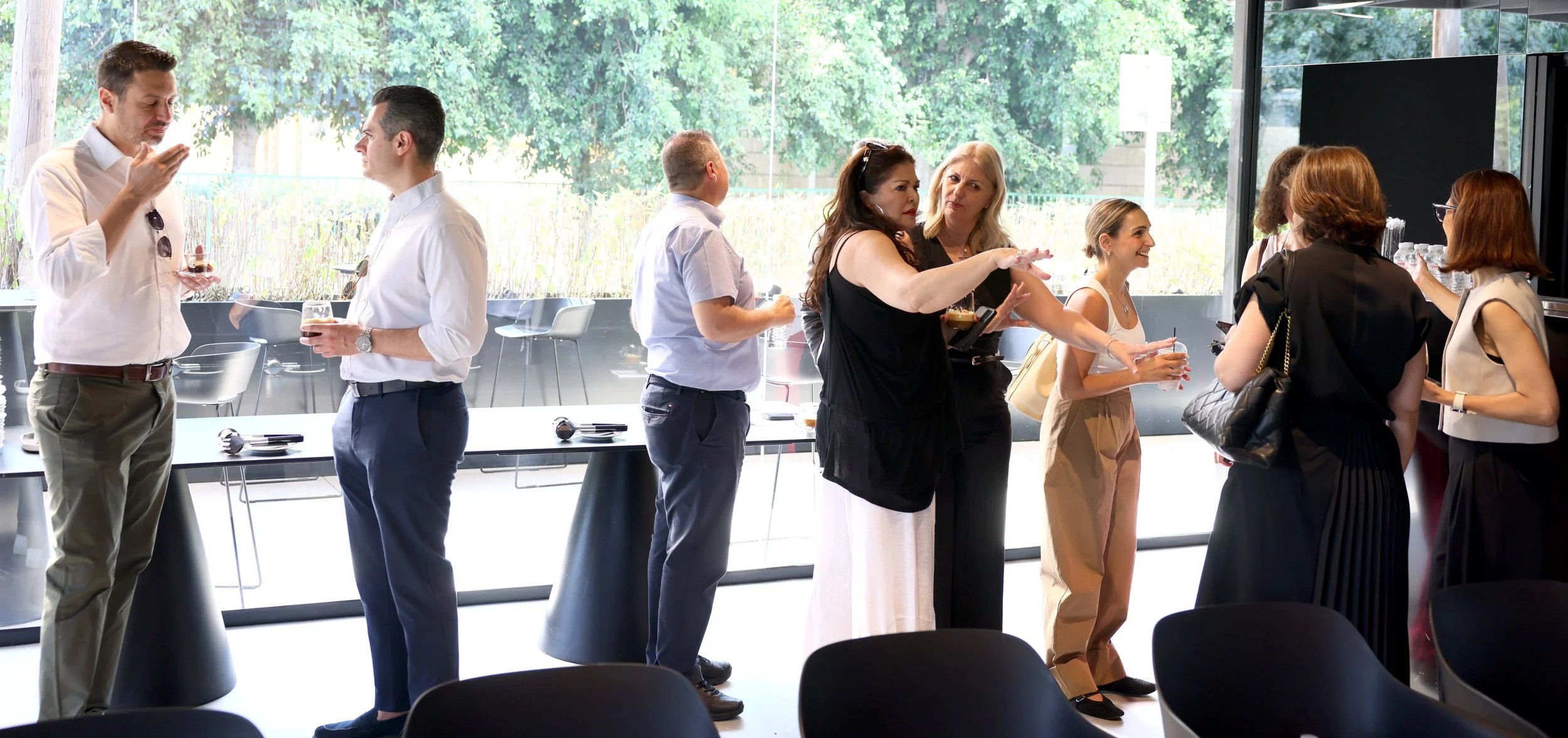
What I noticed is that people didn't leave quickly after the event ended. They stayed, they spoke to each other, they connected across the room in ways that felt different from the usual end-of-event networking. Something had shifted in the quality of how people were with each other. And I believe that's what happens when a room is honest and human. It creates a different kind of connection; not based on what people achieved, but on what they actually went through.
What this means for organisations and leaders
What we discussed in the room, don’t stay in the room; they have direct implications for how we lead and how we design workplaces.
When people can't talk about failure at a personal level, they certainly won't surface it at a professional one.
When managers haven't sat with their own failures, they struggle to hold space for others'.
When gender shapes how failure is experienced and judged, it shapes who takes risks, who speaks up and who stays quiet.
The conversation we had on 12 June is the kind of conversation that rarely happens inside organisations and not because people don't need it, but because there's no container for it.
Creating that container, deliberately and safely, is one of the most underrated things a leader or HR team can do.
Ready to explore what's possible for your team?
If you're sensing that something in your team needs attention, or if you are working in creating a different culture in your organisation, one that can hold failure with innovation, let's have a conversation.
What's next in the Failure Is Power series
The series builds toward a C-level conversation in September 2026. Event 3 is about What Leaders Learn from Failure, for senior executives and decision-makers on leadership mistakes, accountability without blame, and creating environments where people can learn without fear.
Stay tuned for details!
Take this with you
The full summary report from Event 2, including key themes, insights and discussion highlights, is available for anyone who wants to learn more. The report is in Greek.
A big thank you to Conferience, an event management platform, for capturing the whole conversation anonymously and helping us turn it into a resource the whole room (and a bit further) can carry forward.