Failure Is Power: How HR and Leaders Build Cultures That Learn From Failure
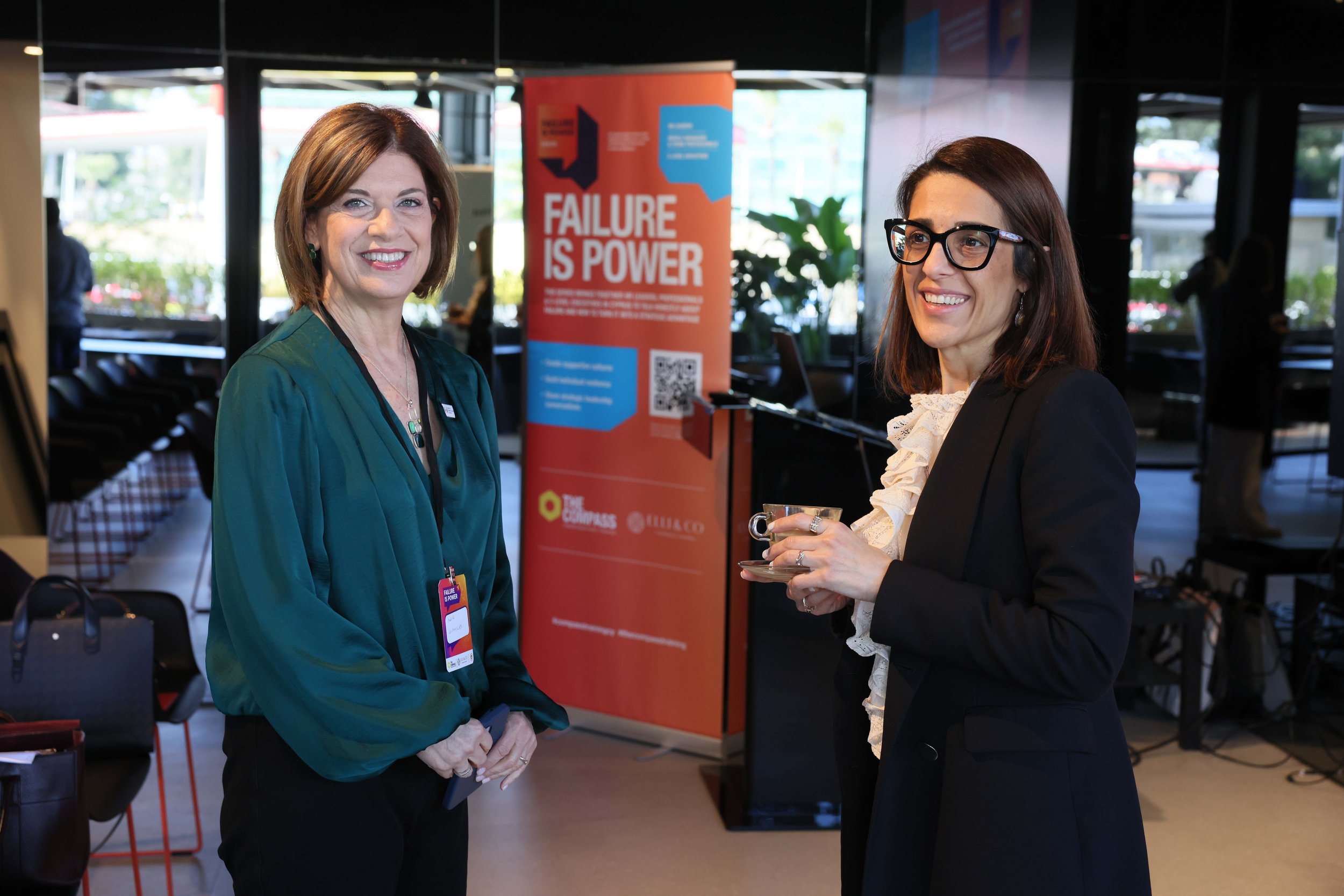
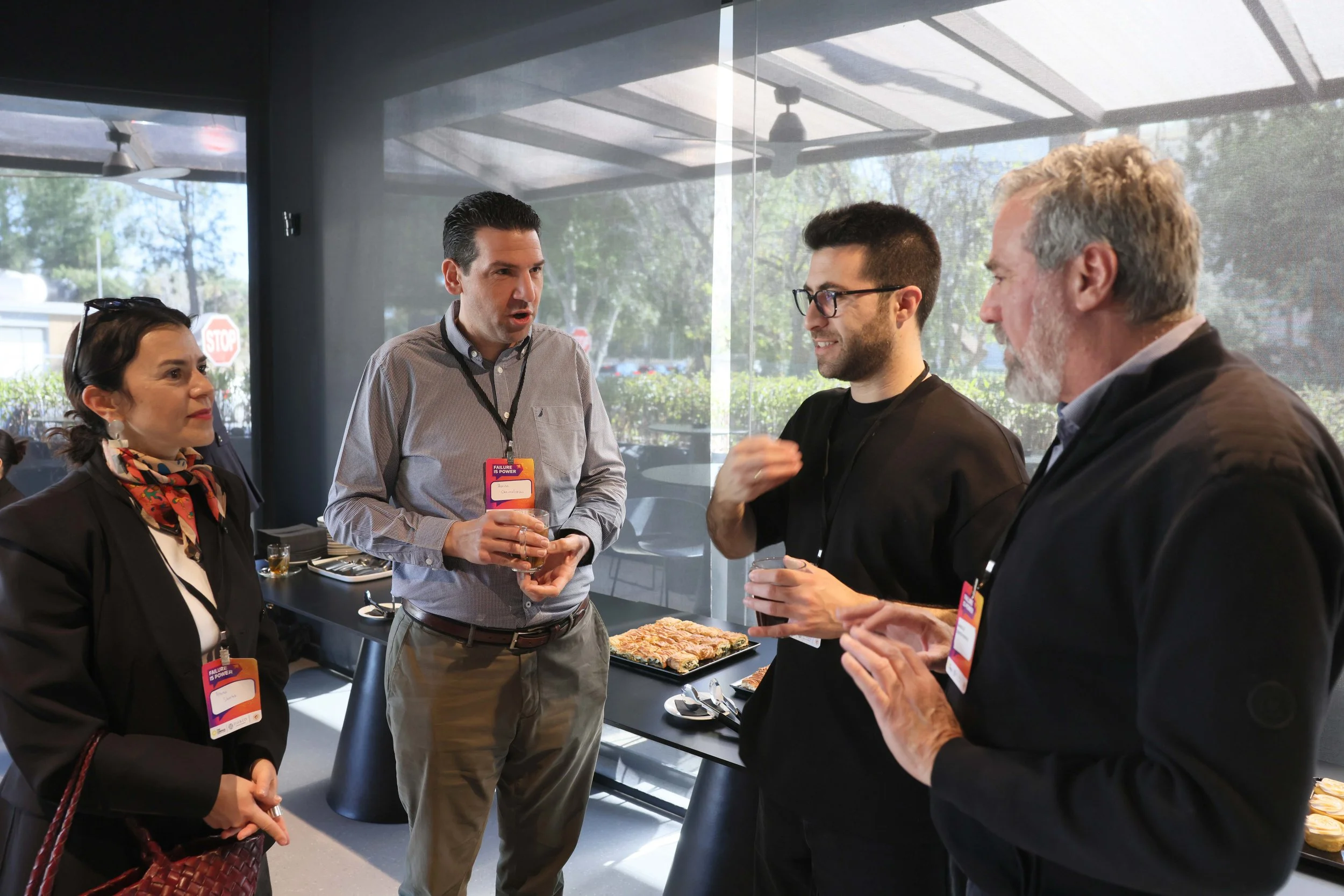
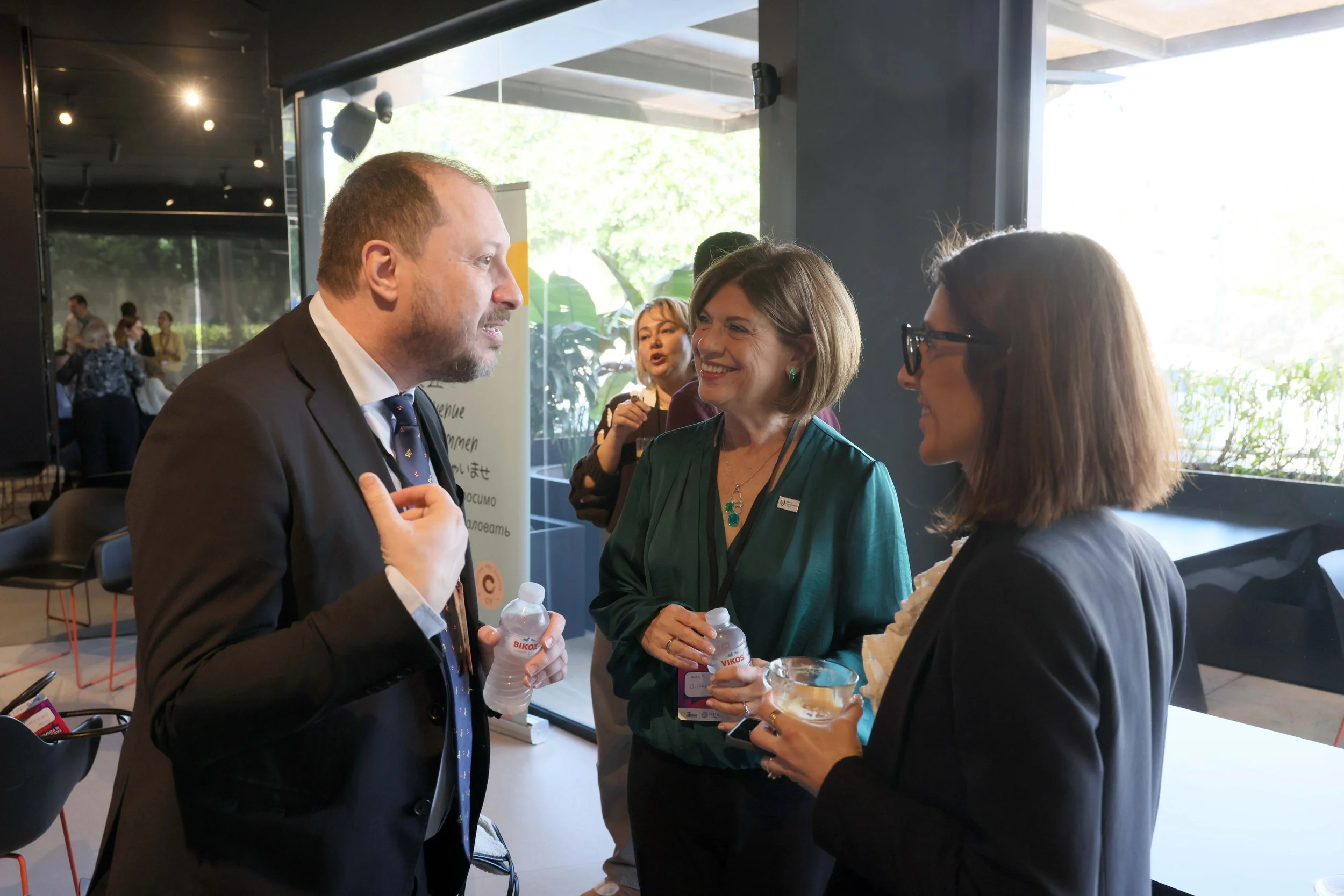
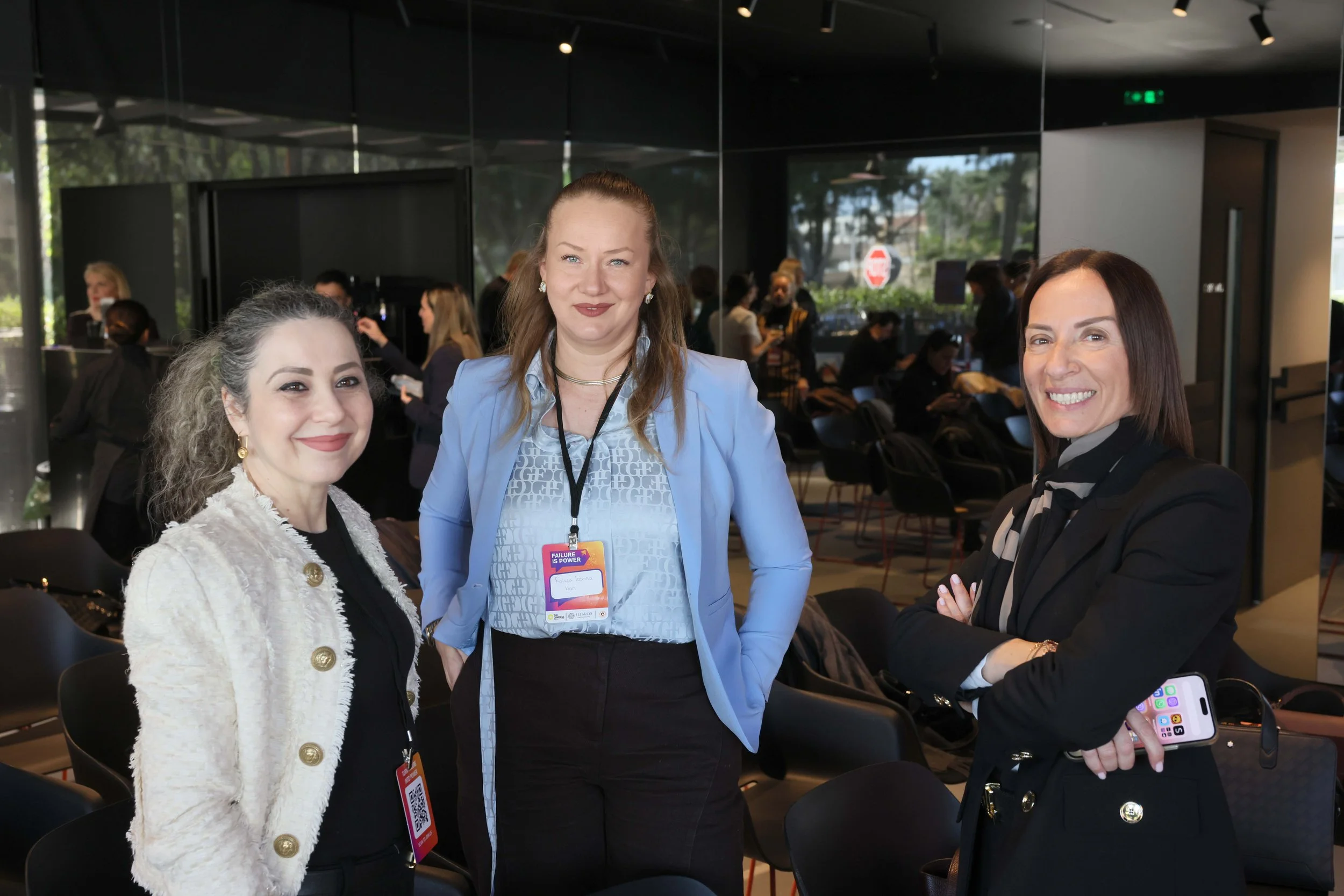
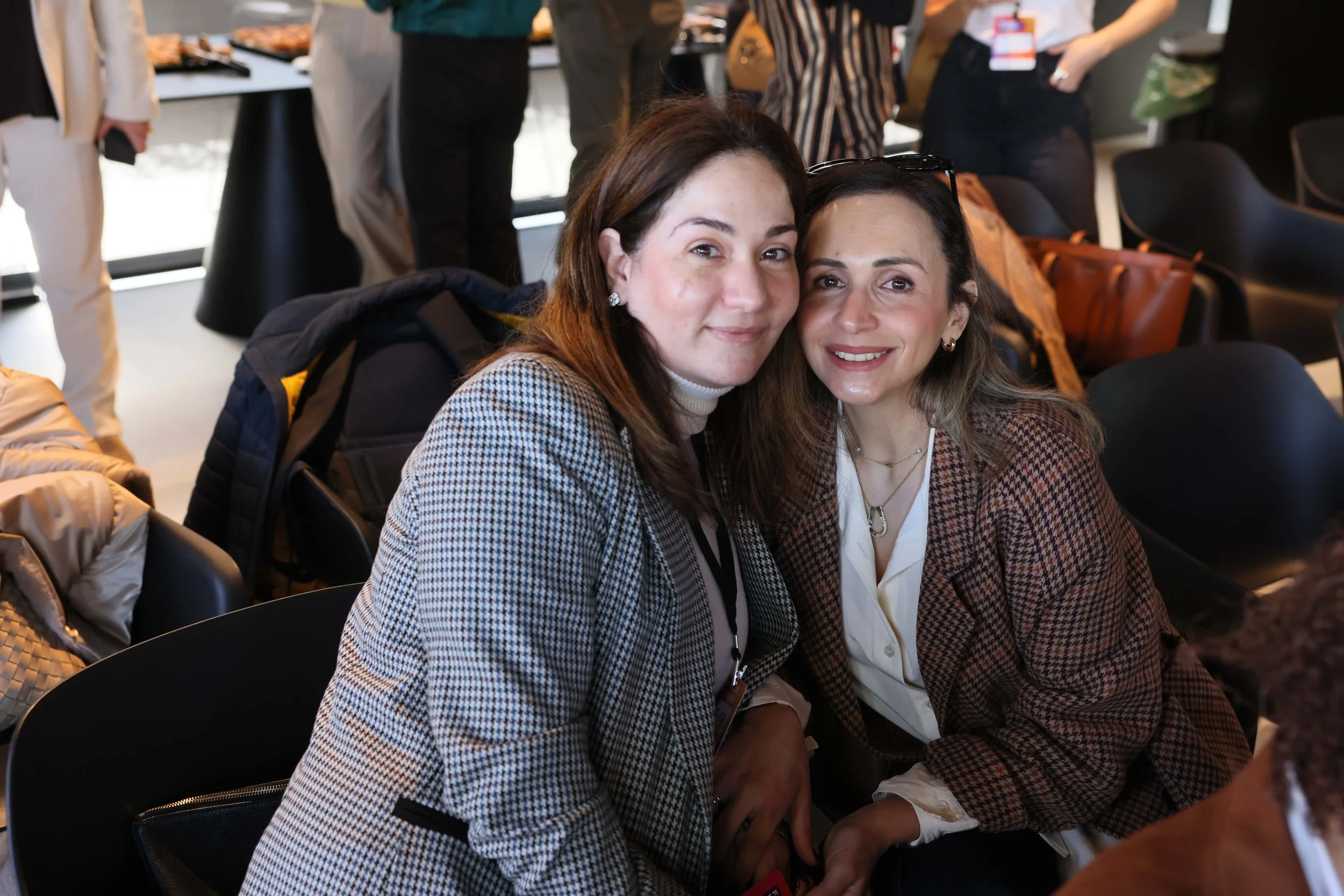
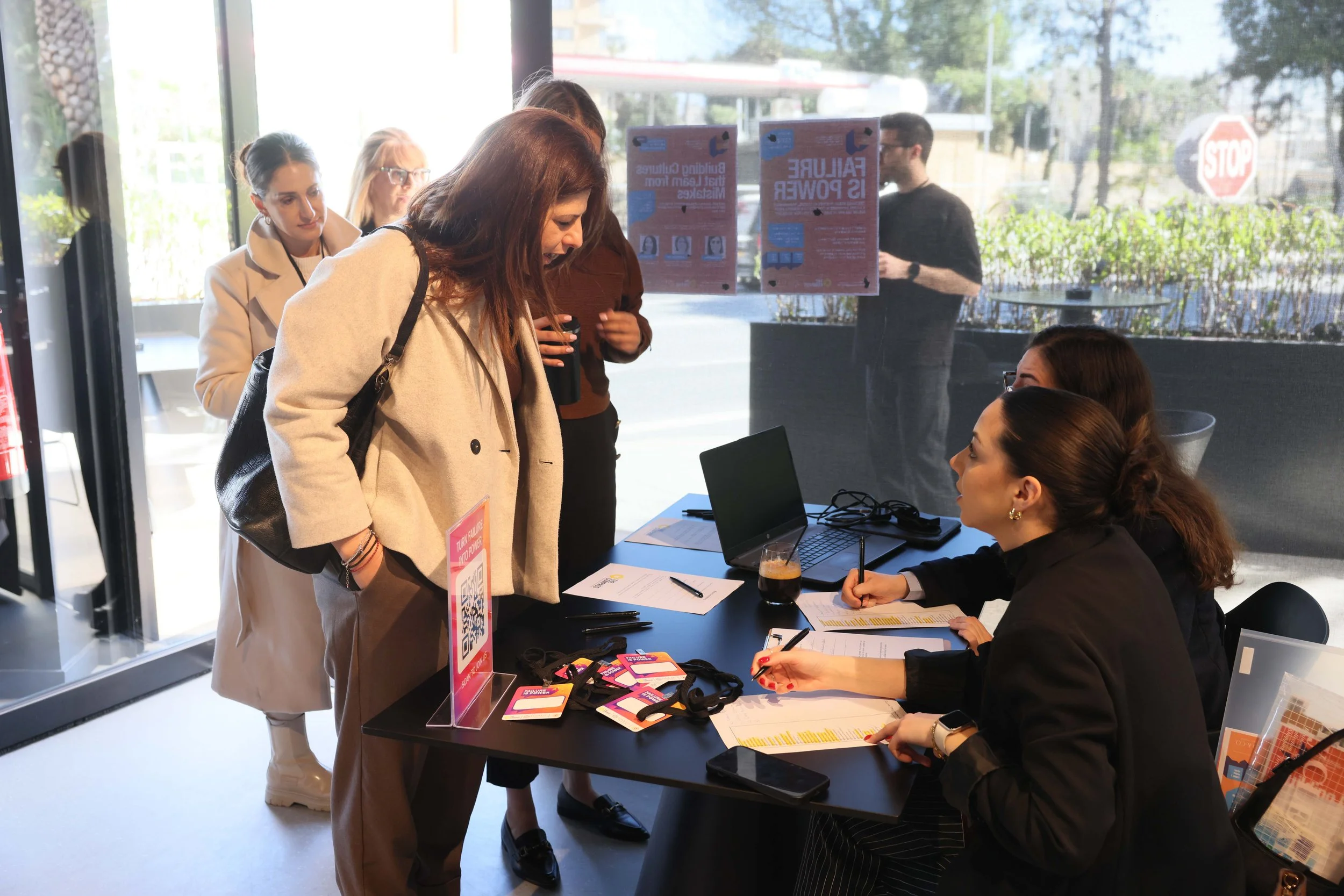
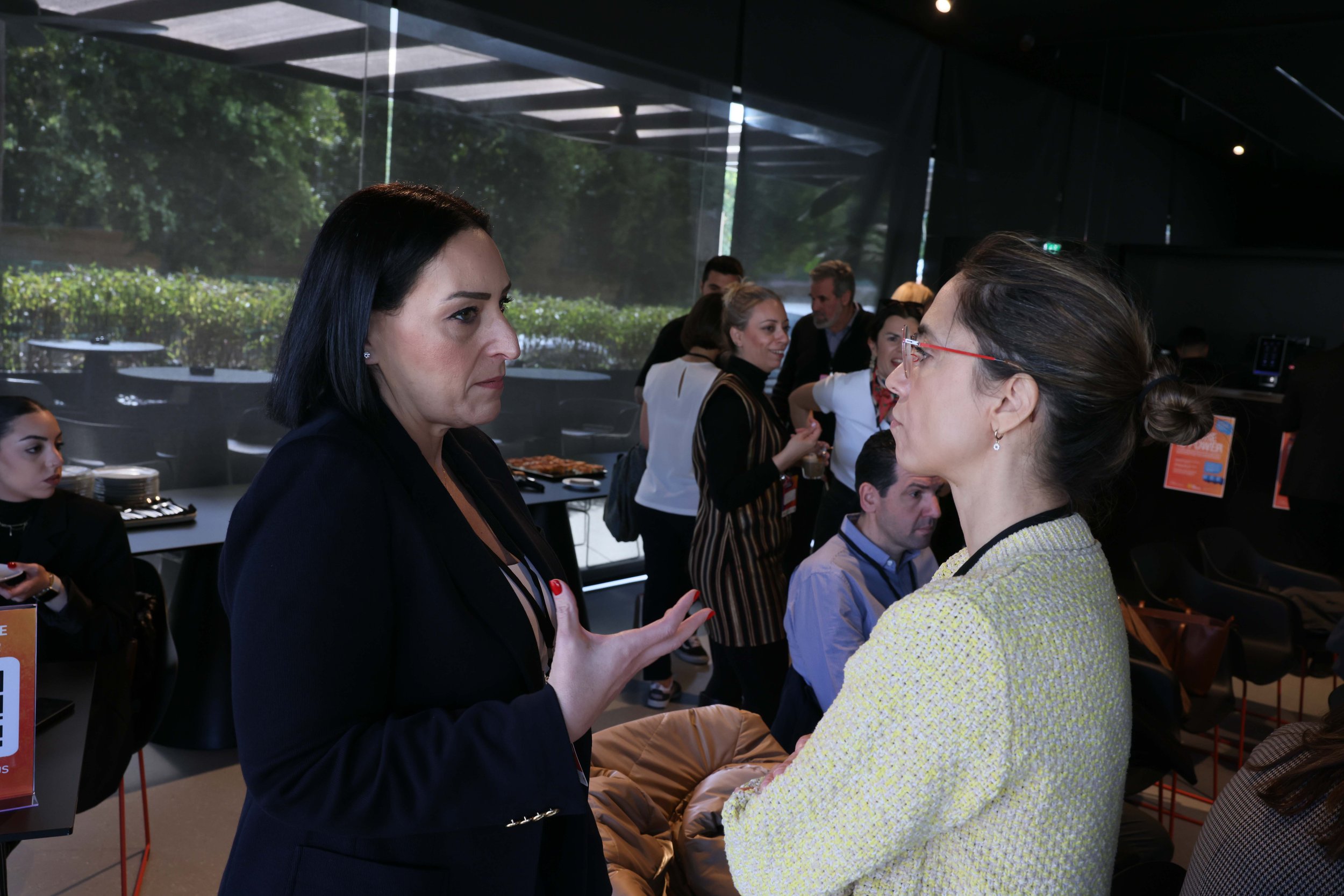
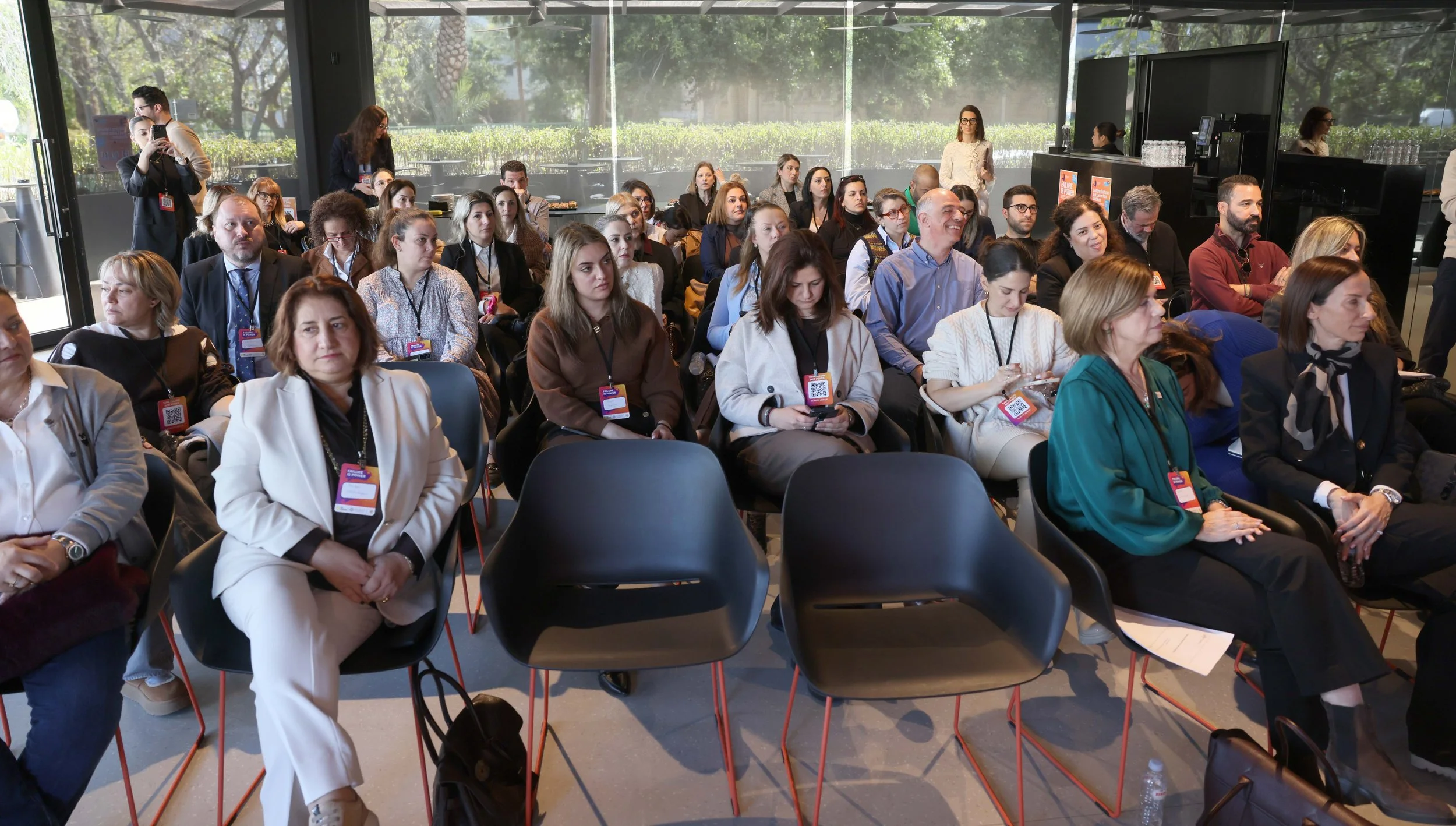
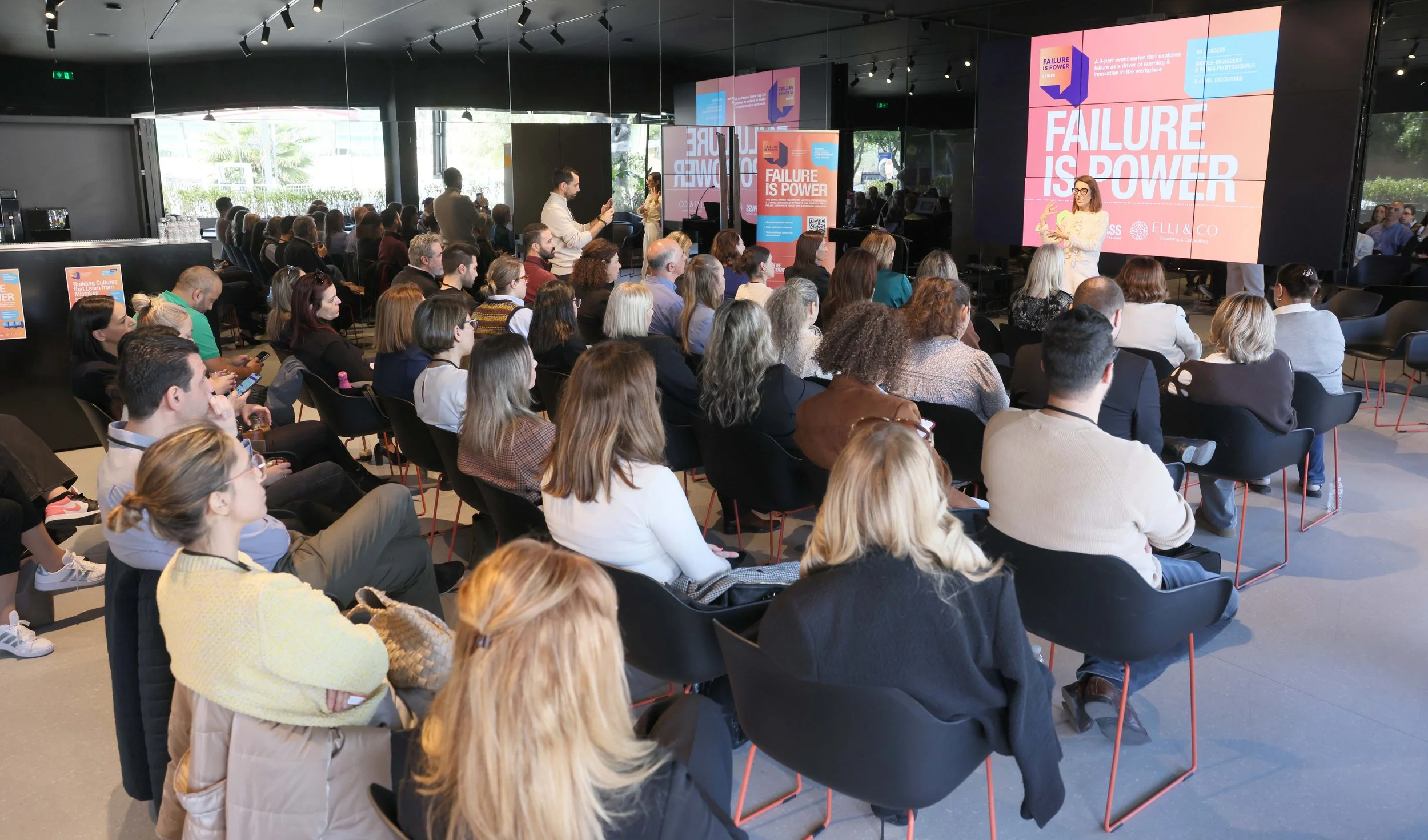
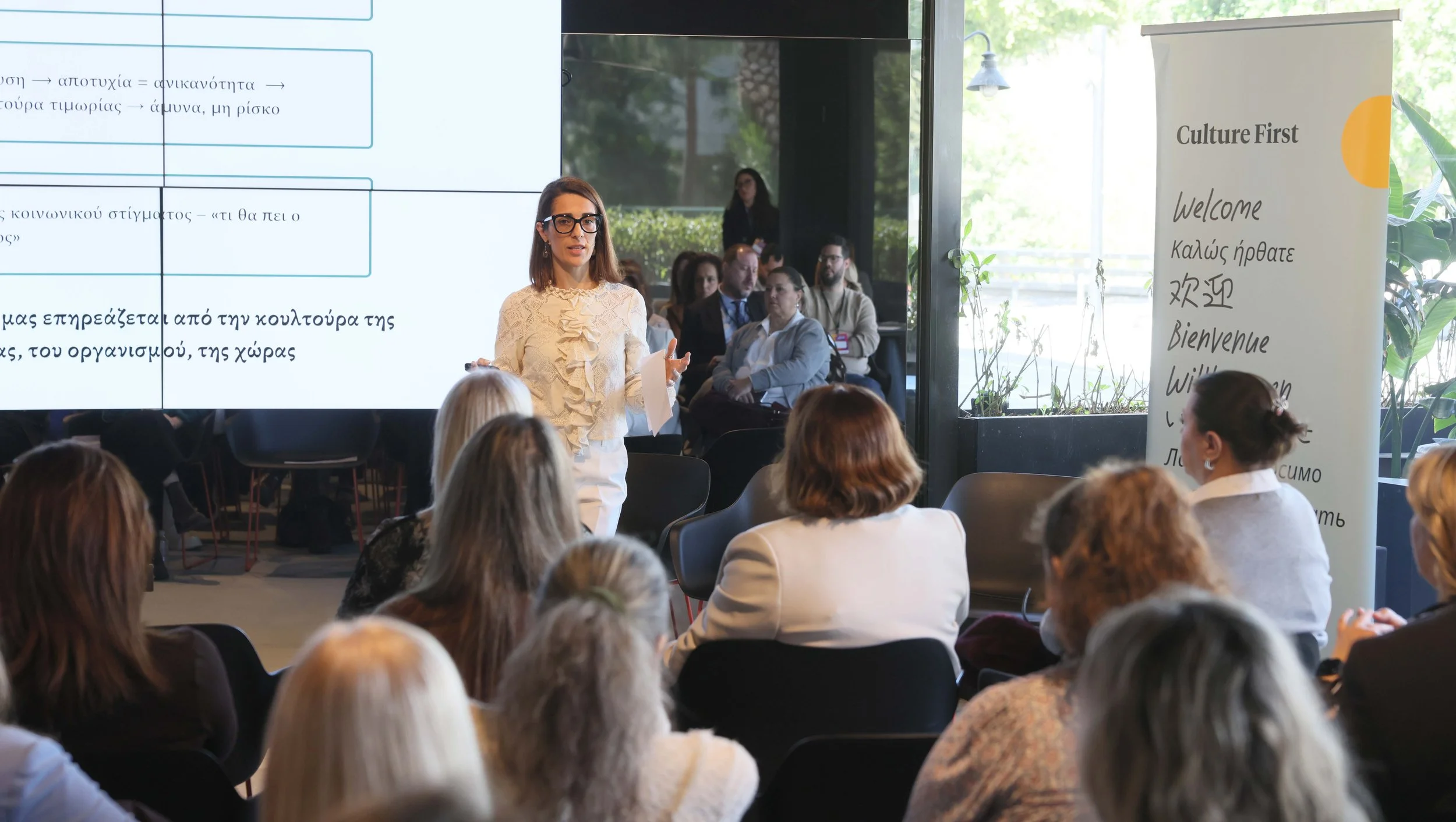
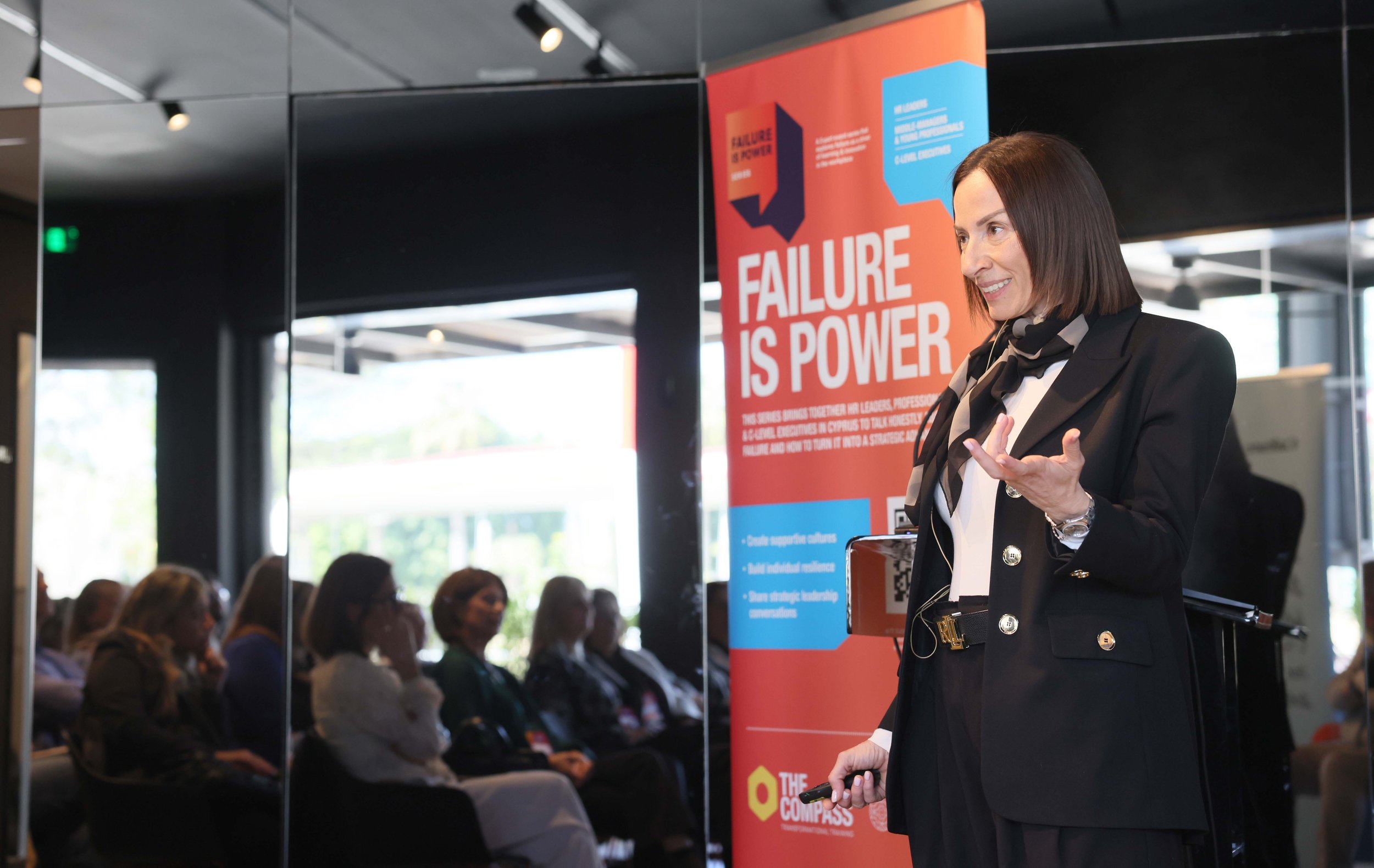
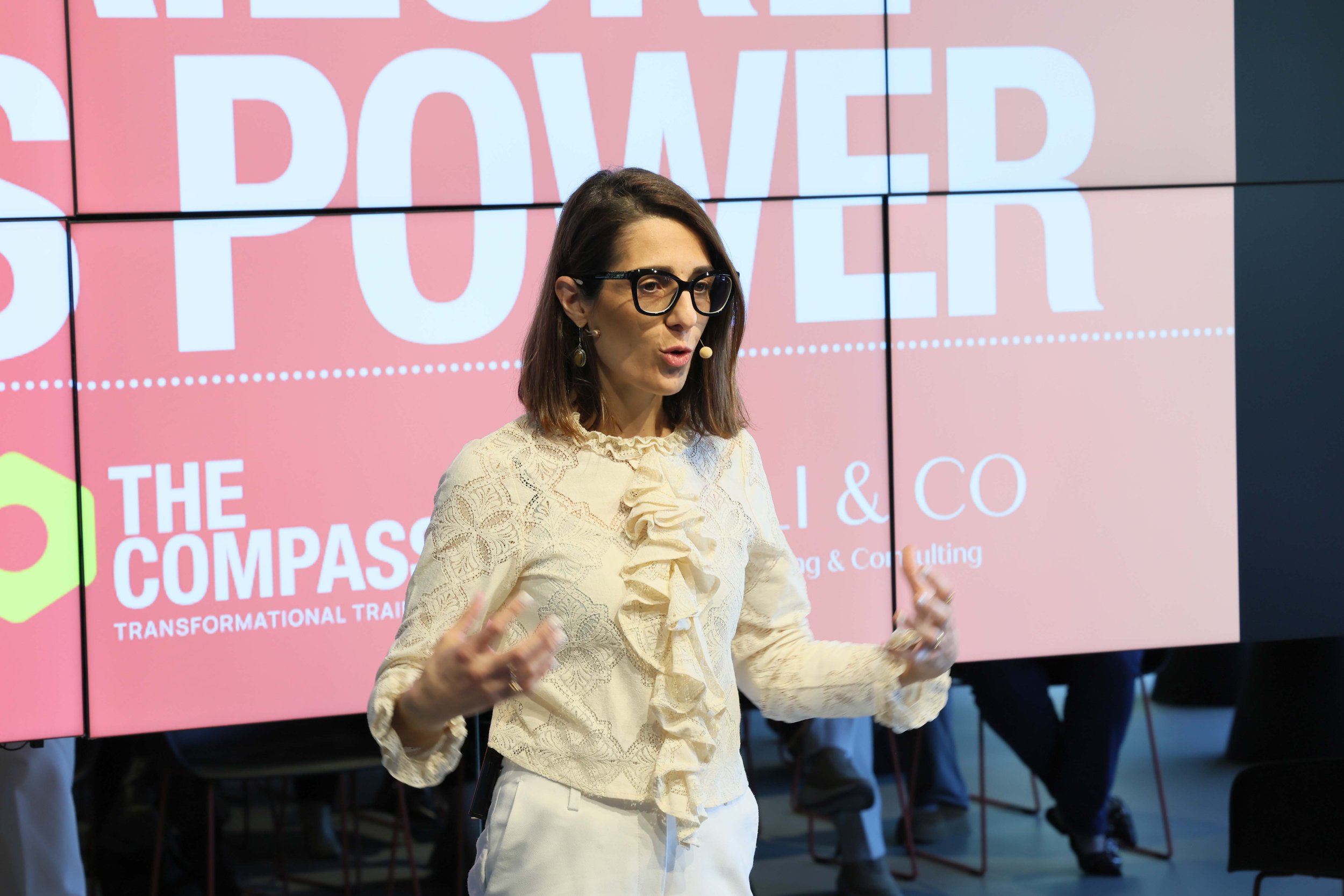
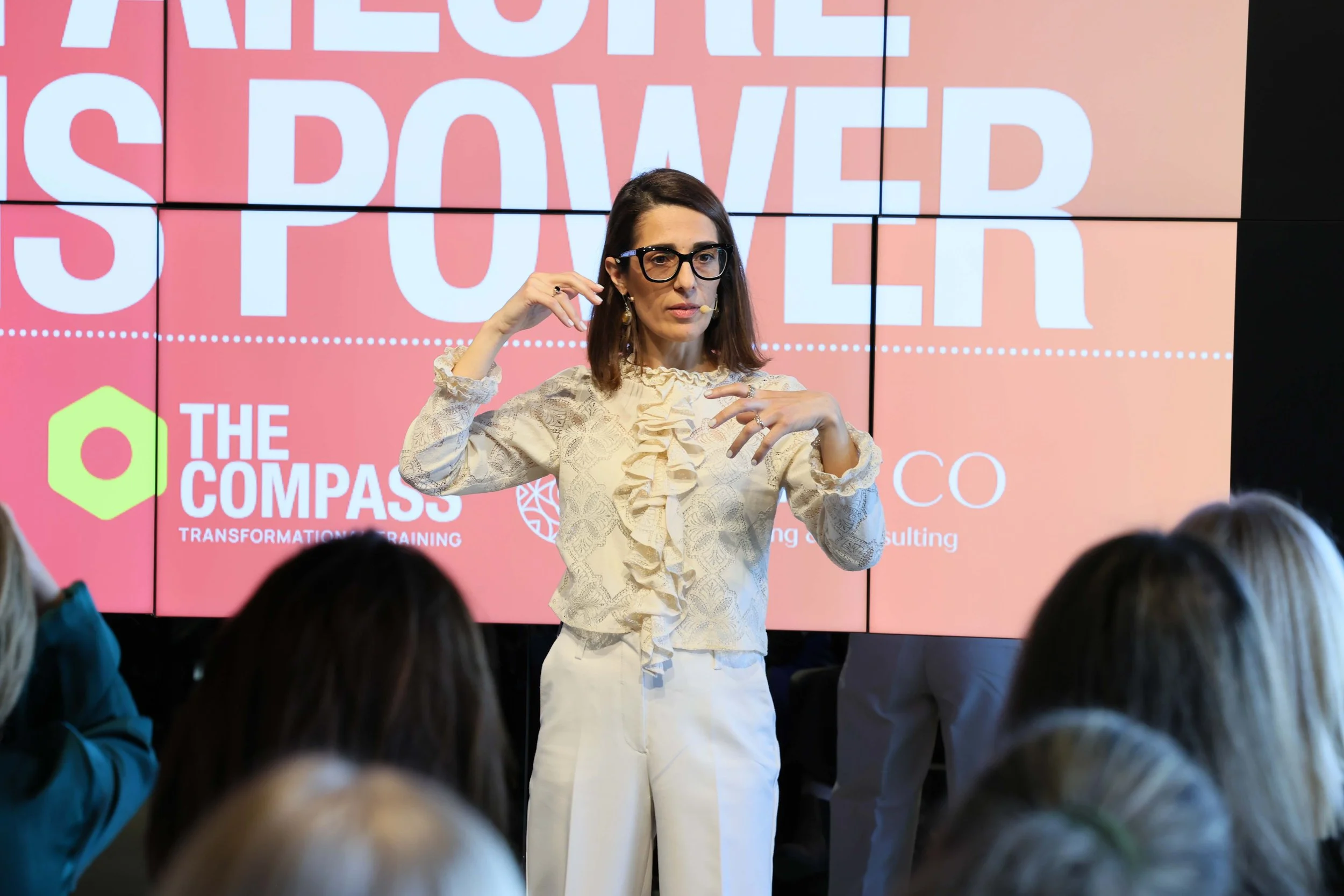
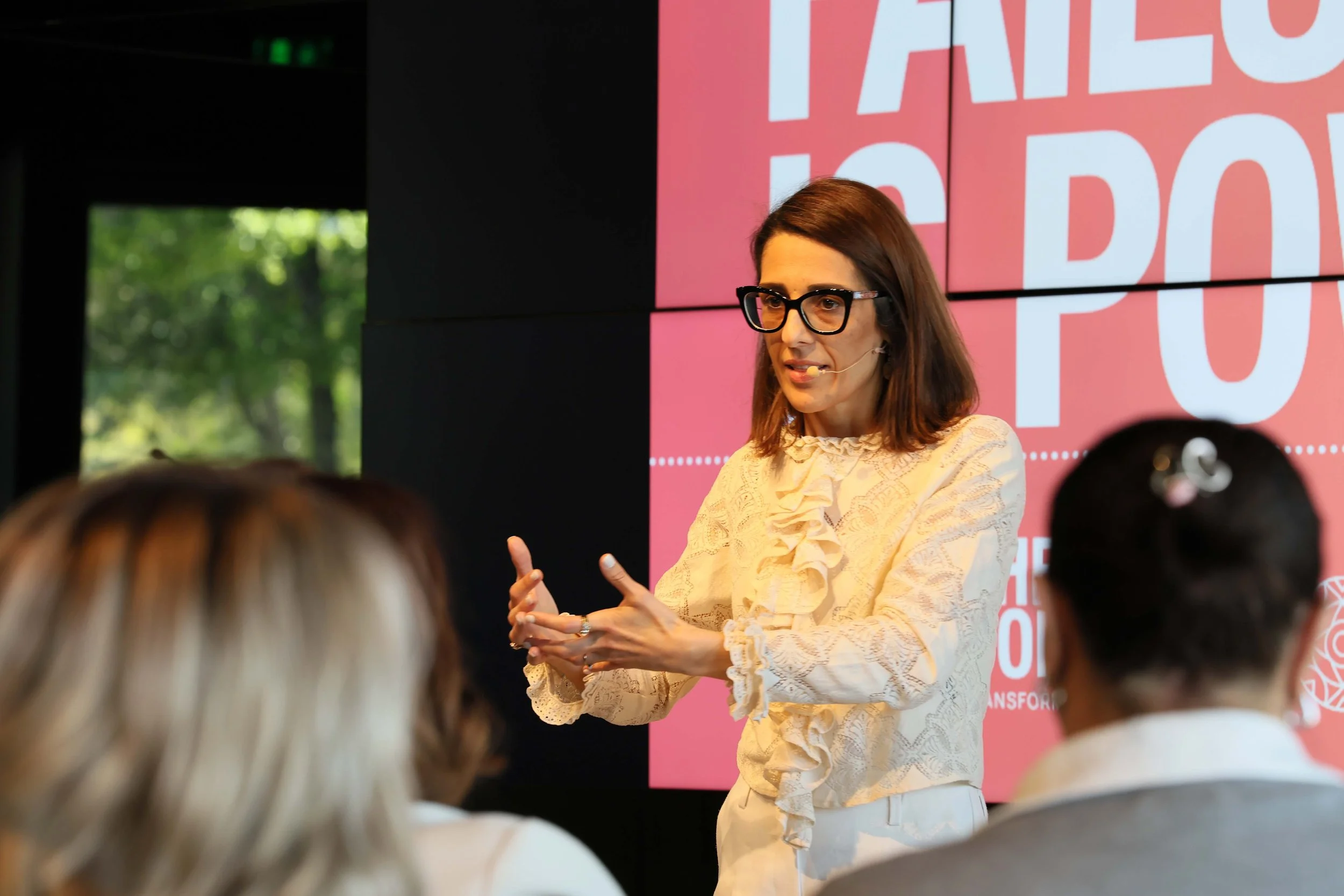
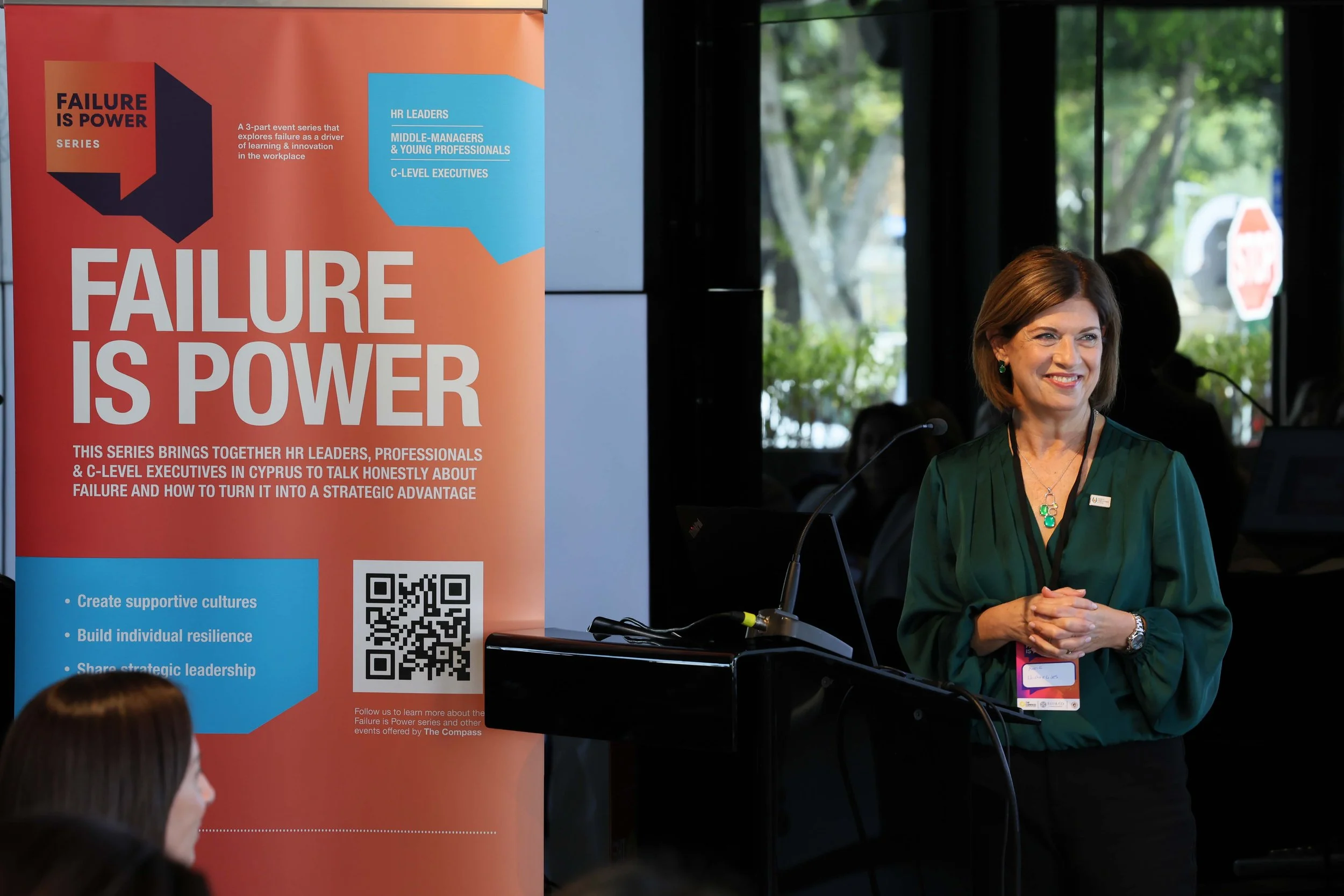
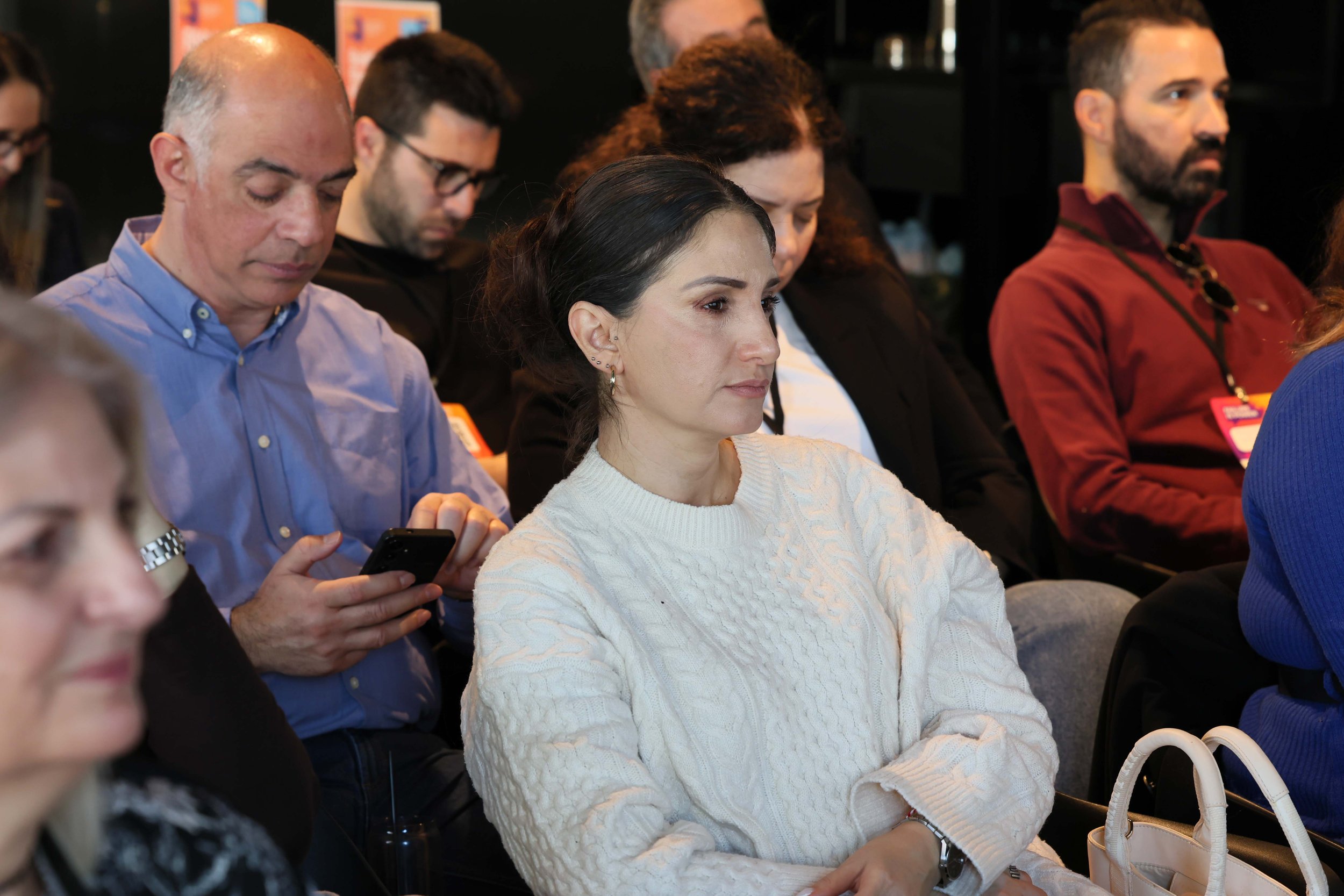
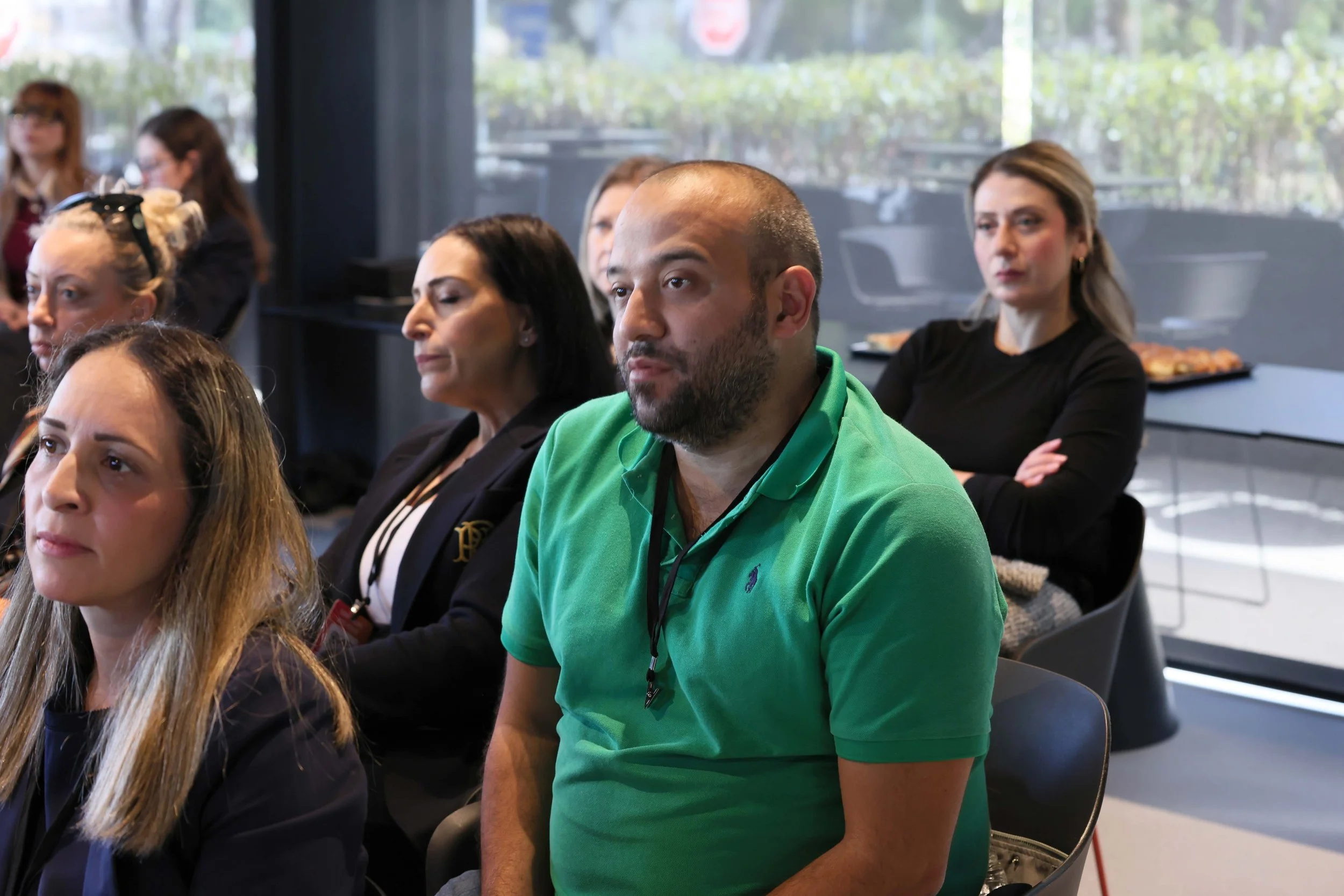
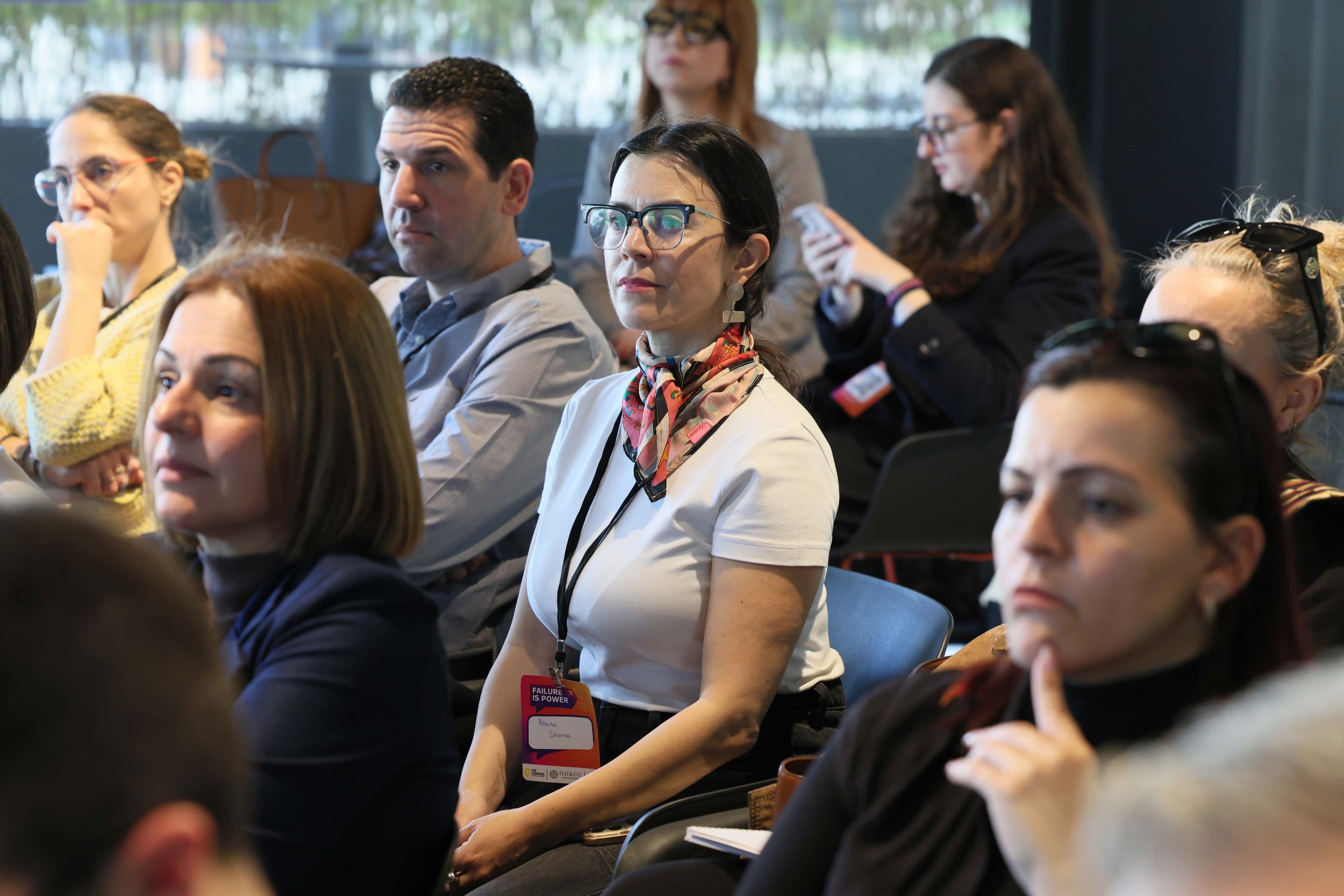
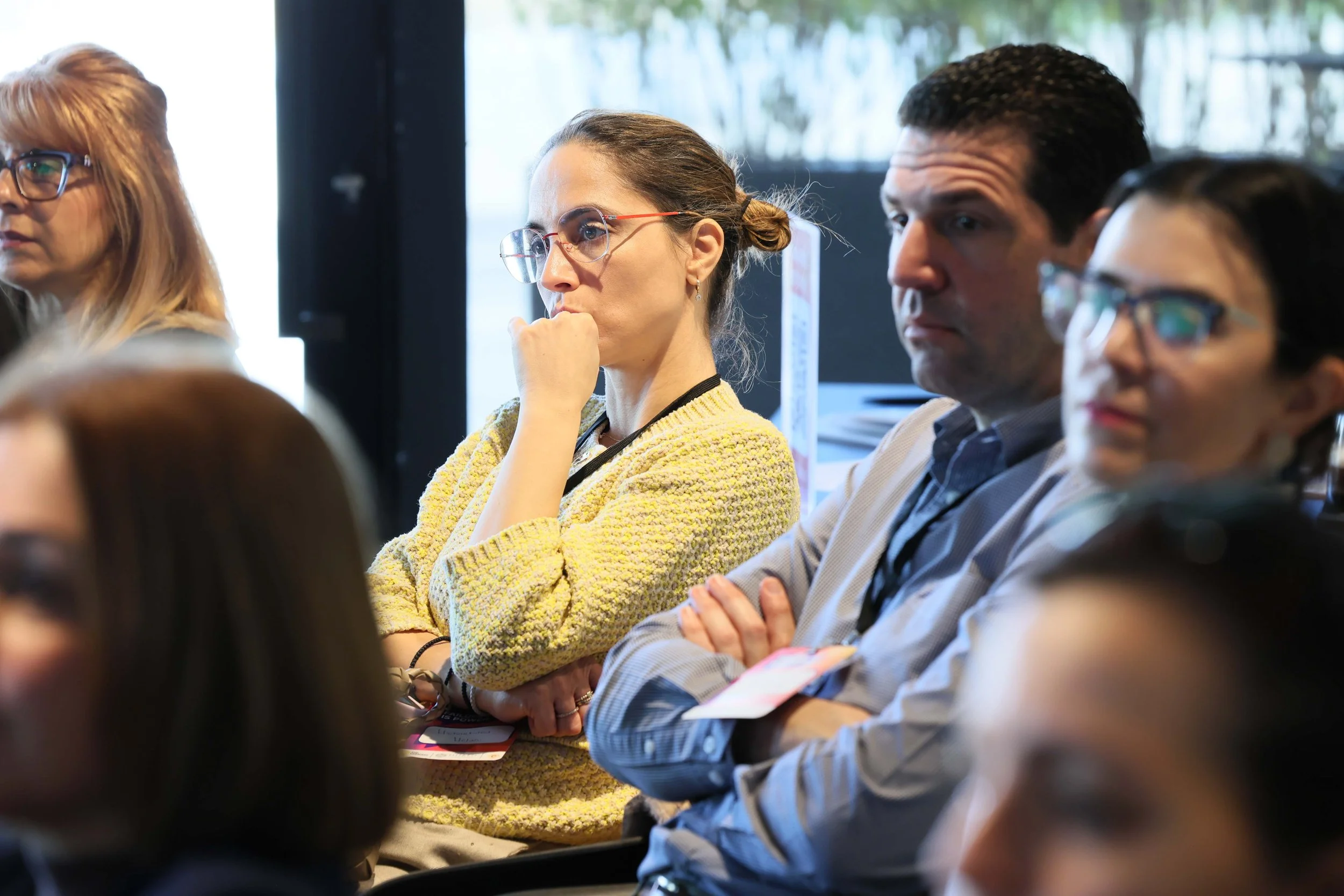
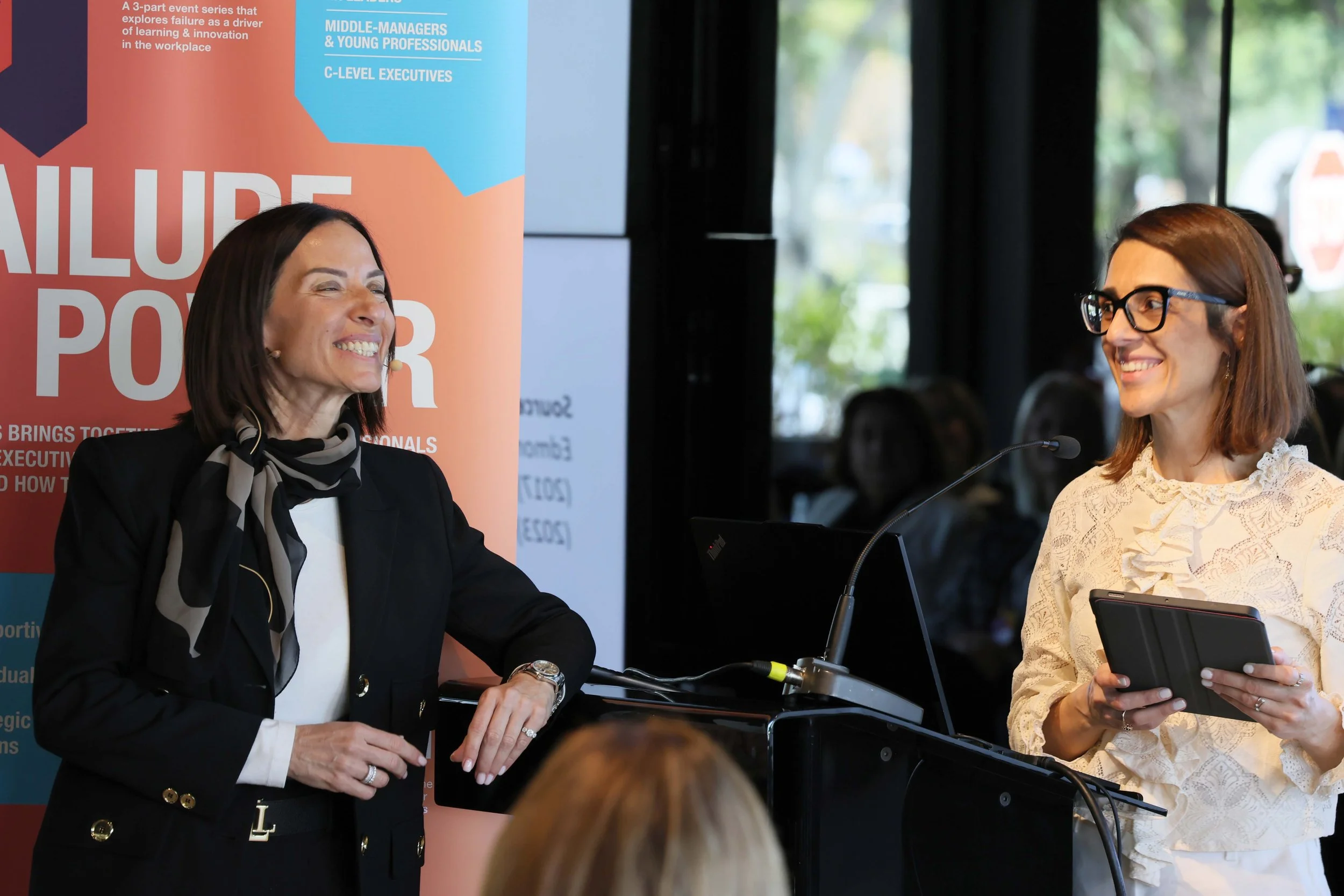
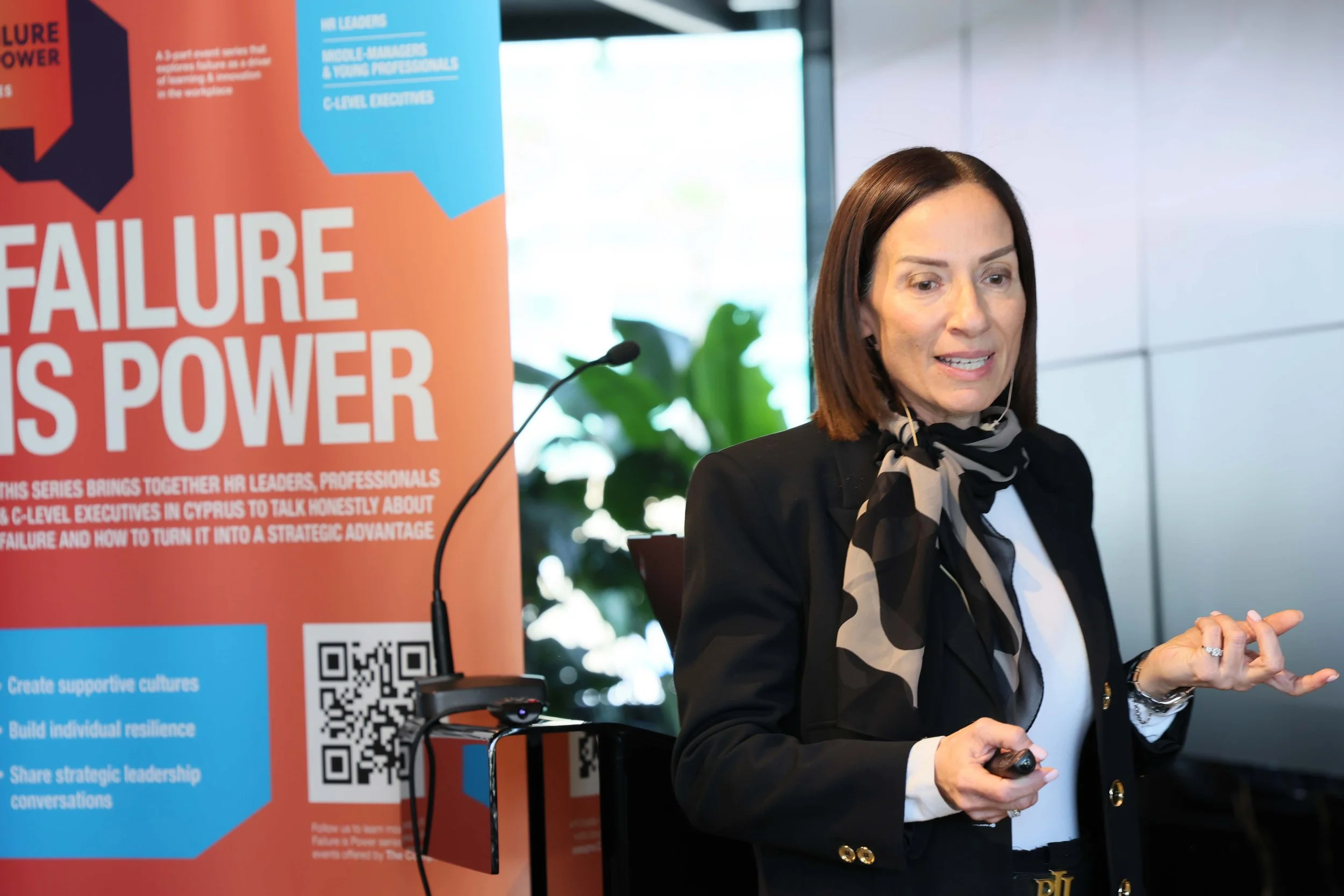
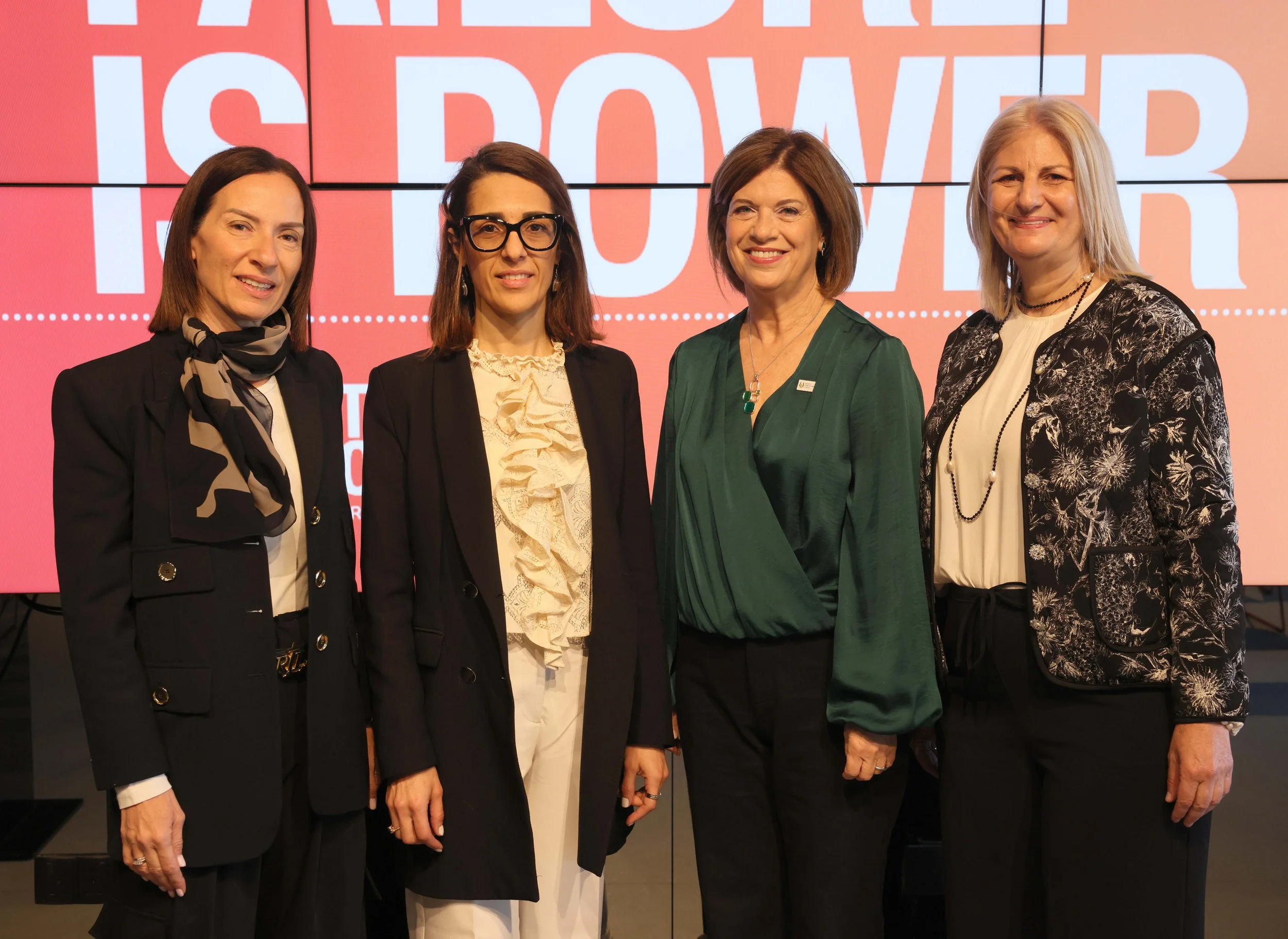
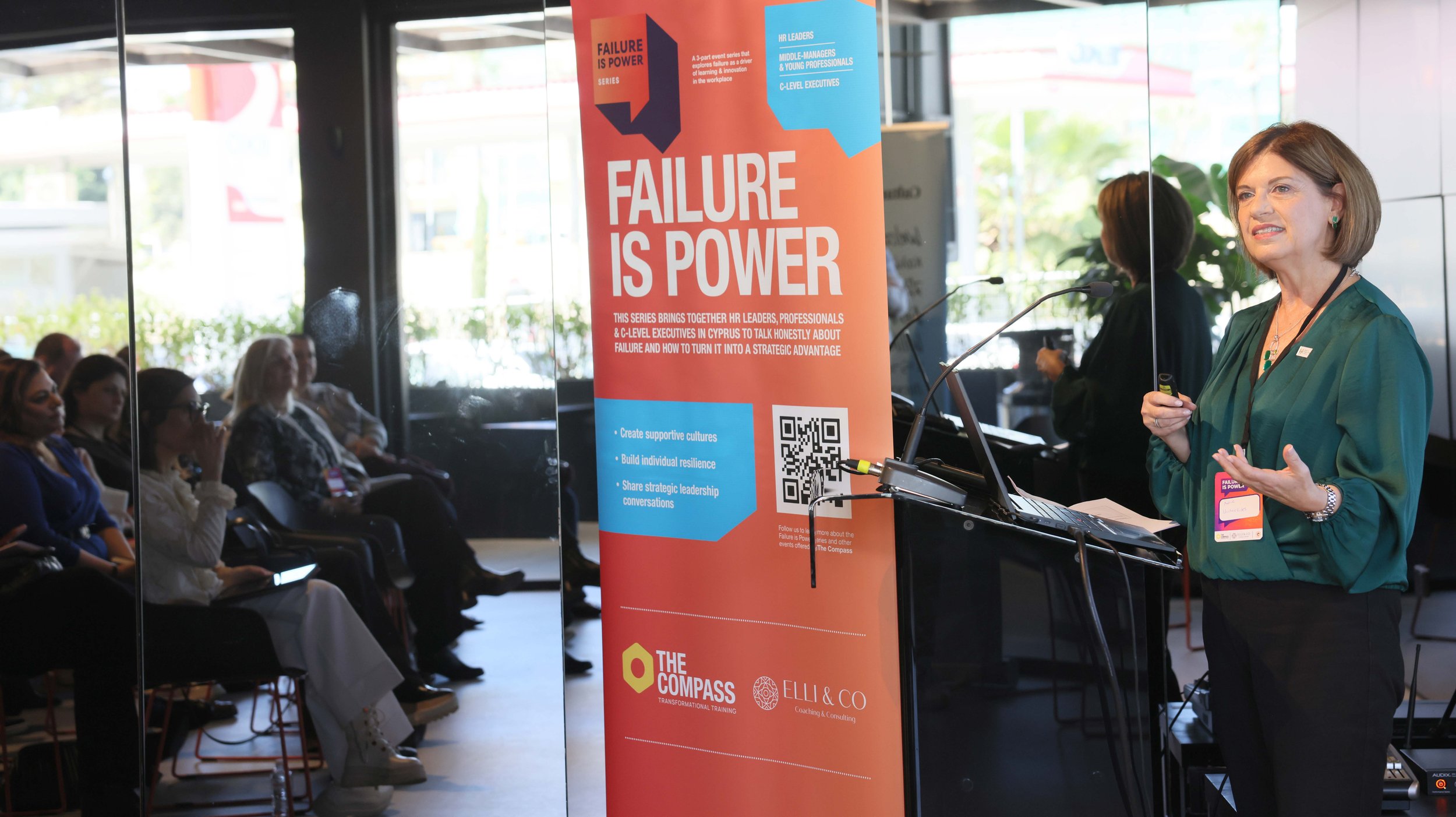
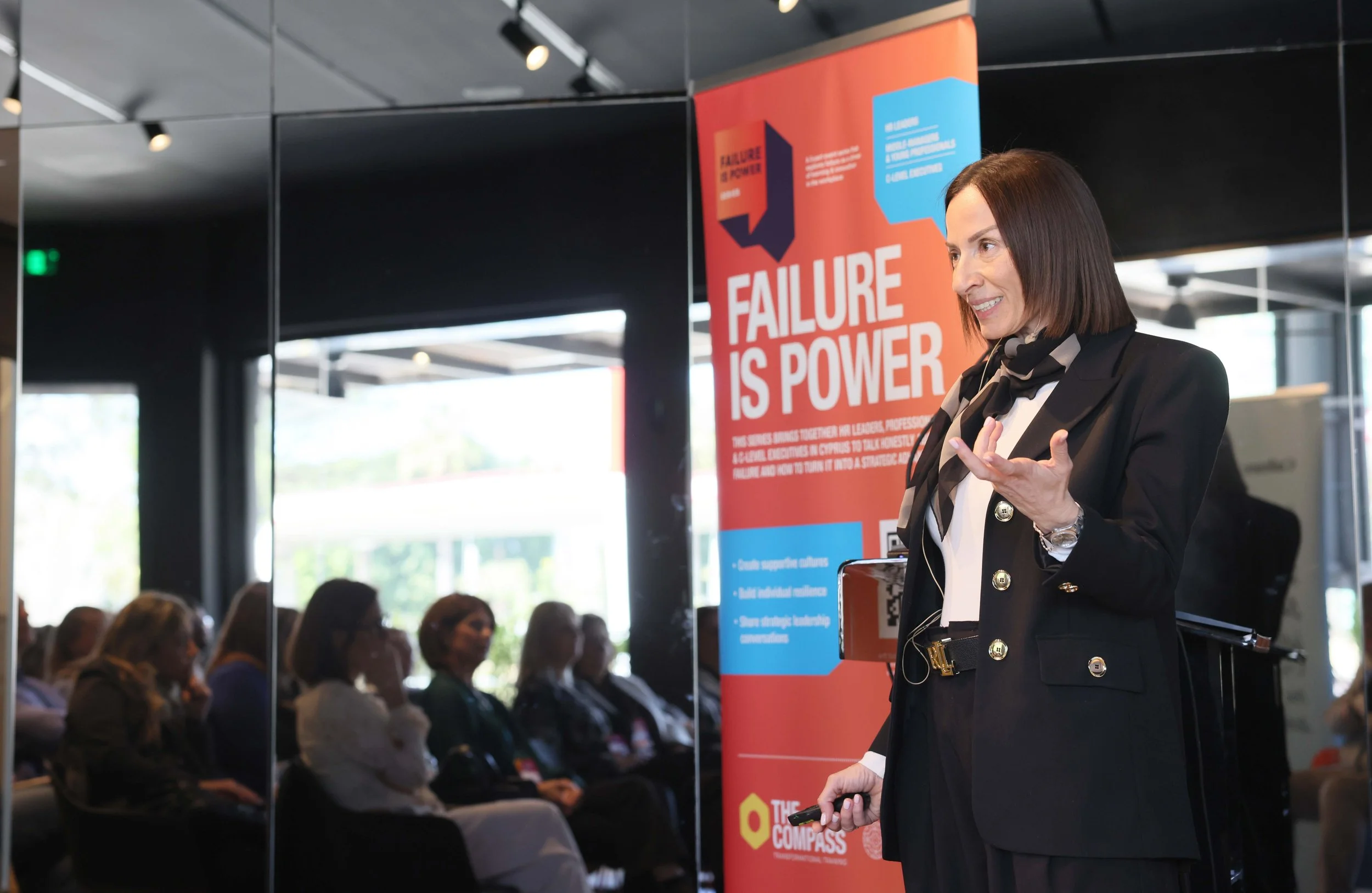
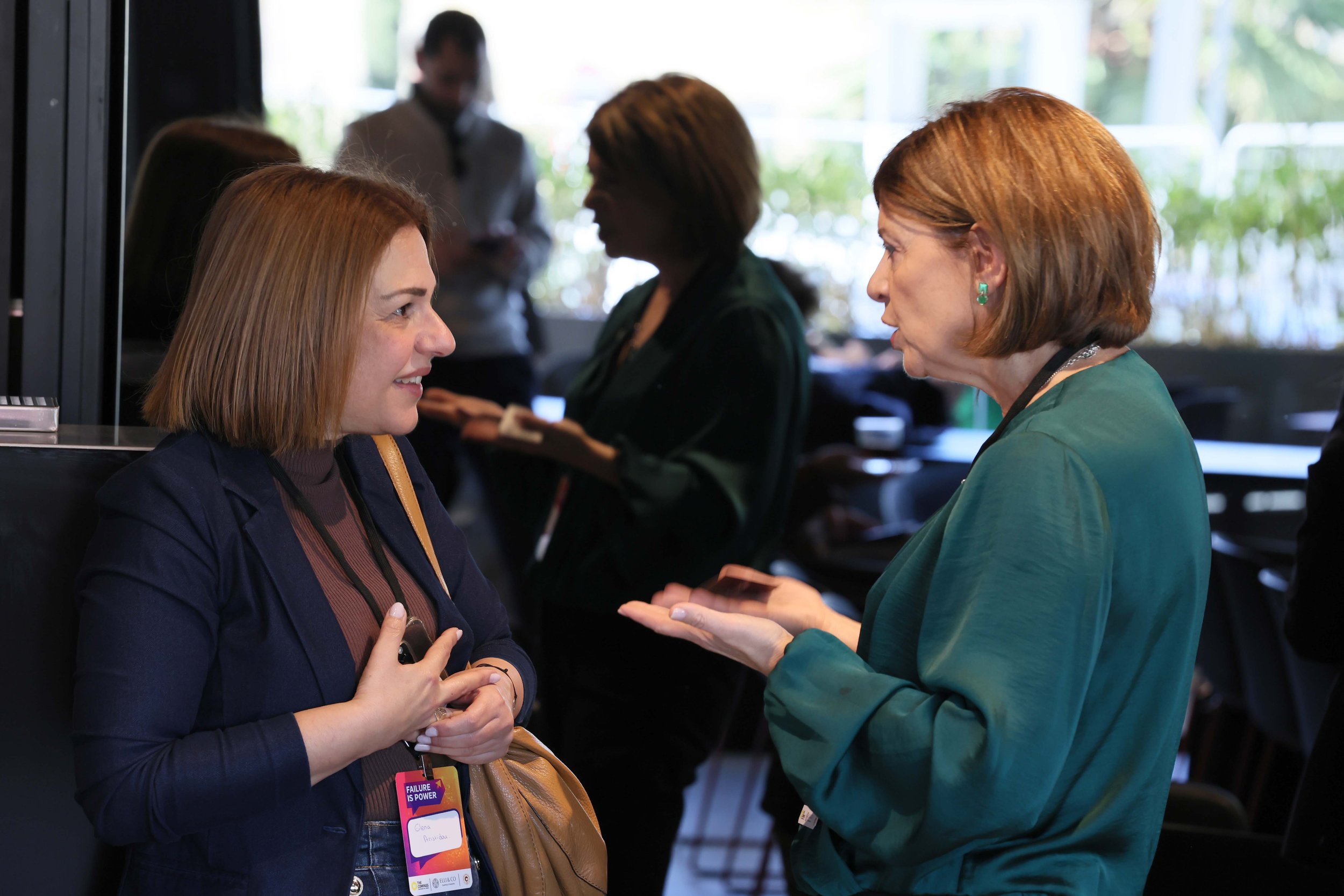
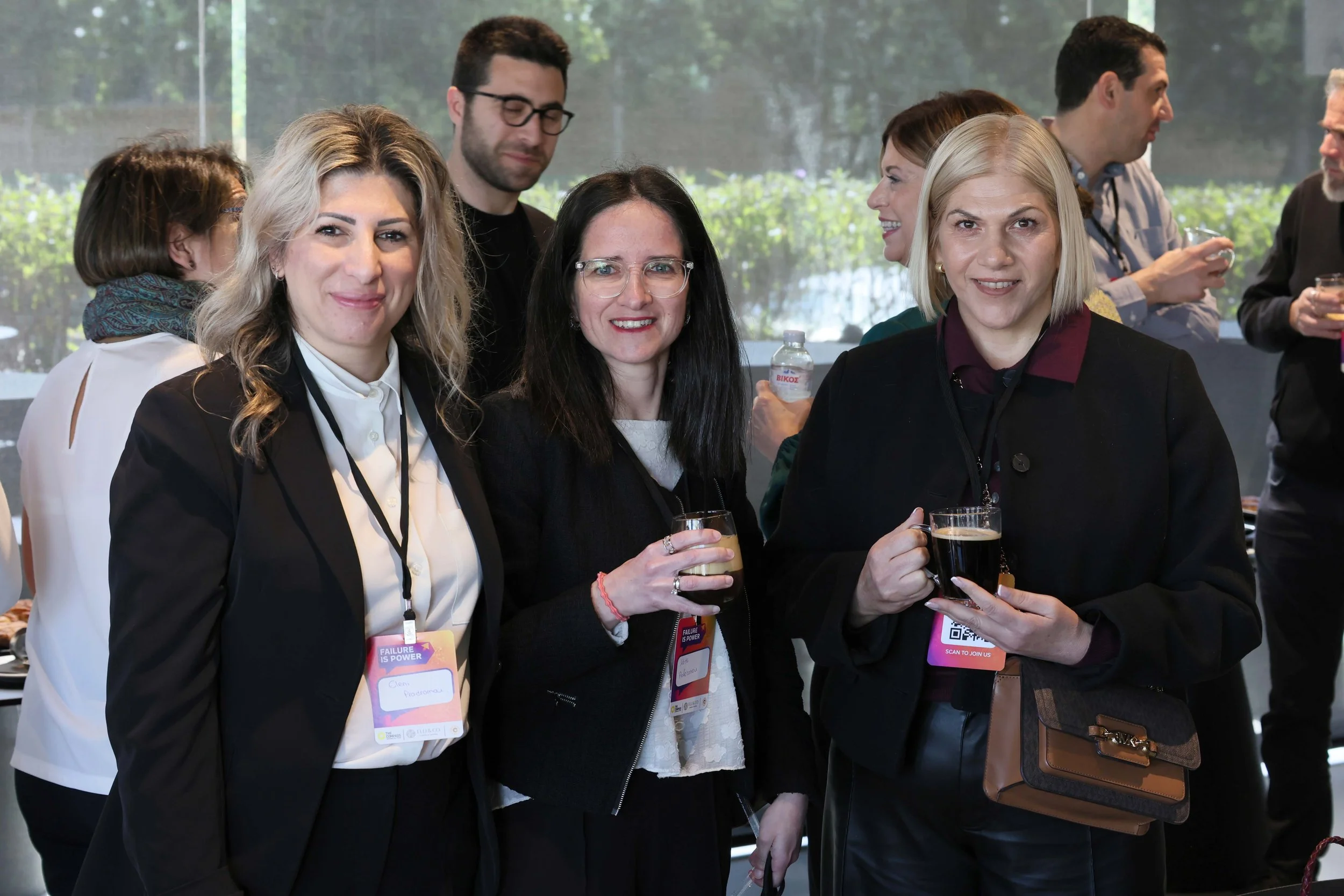
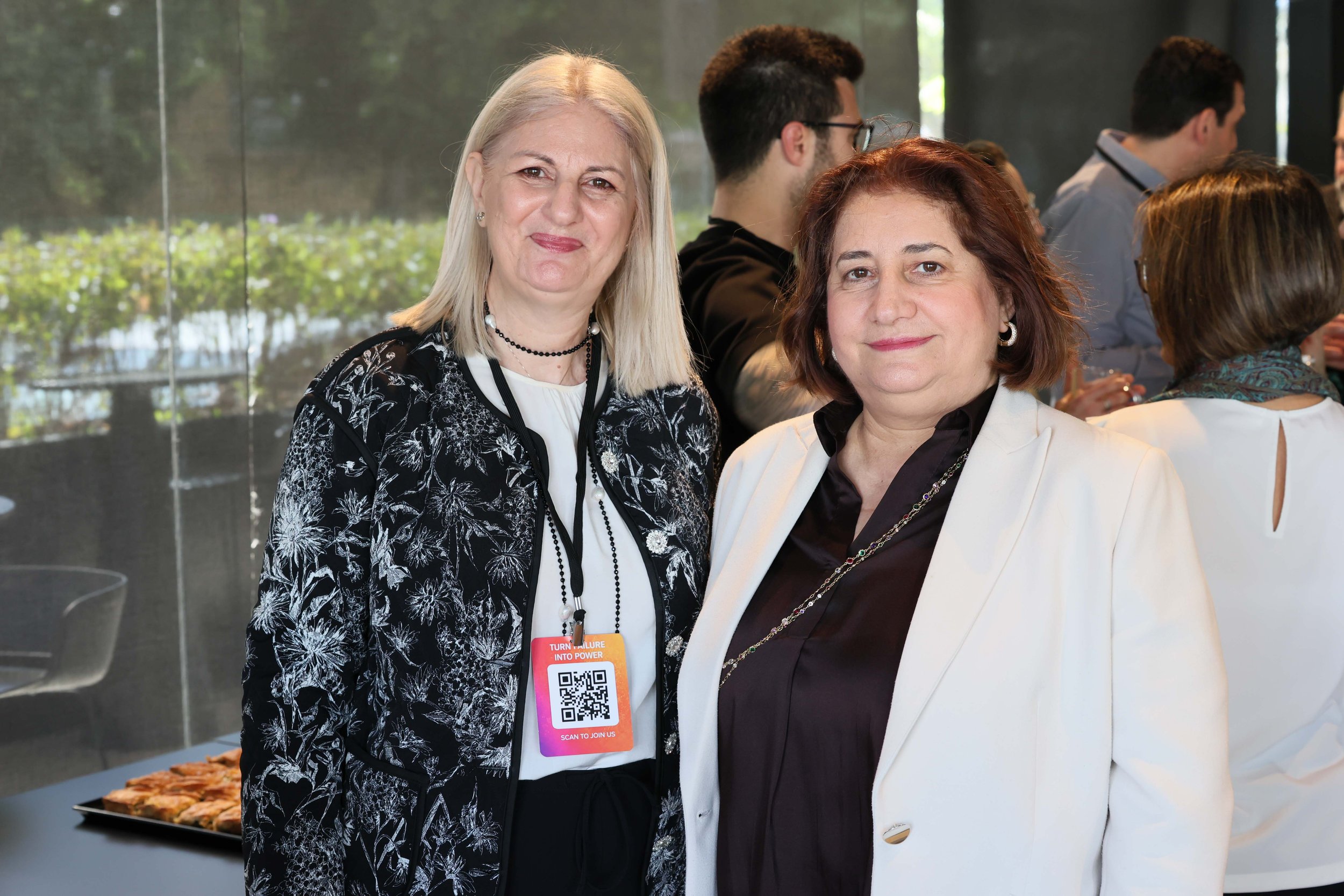
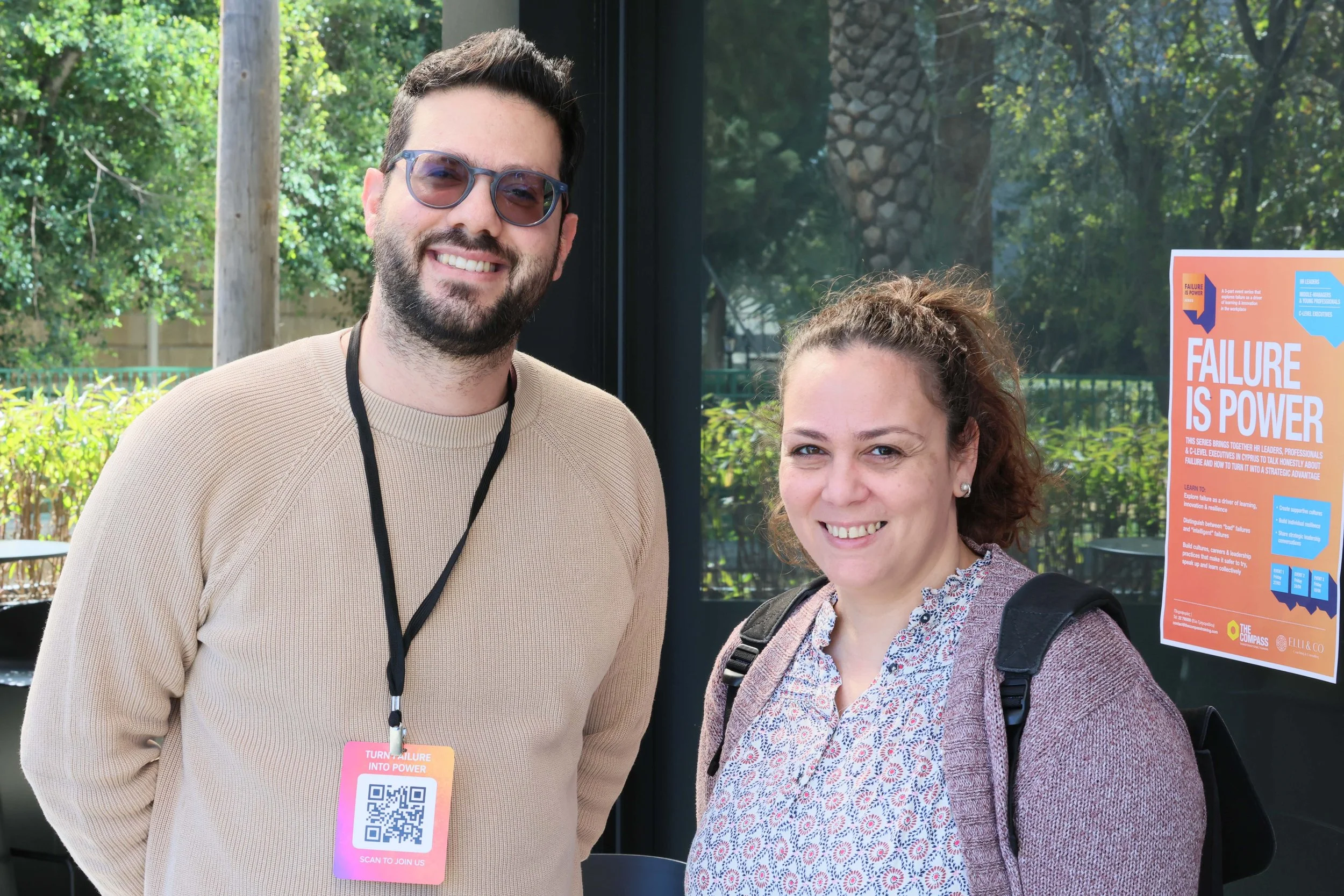
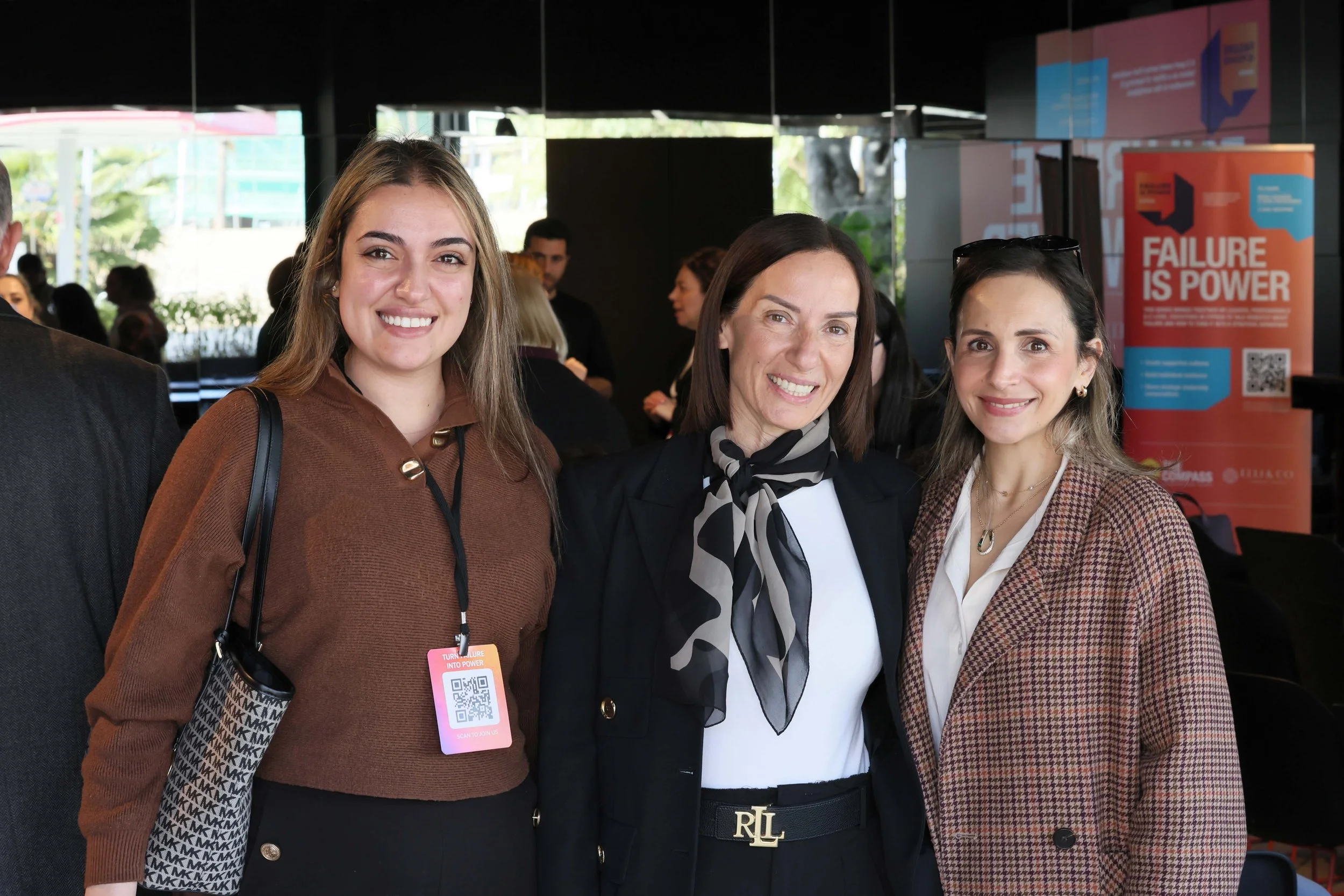
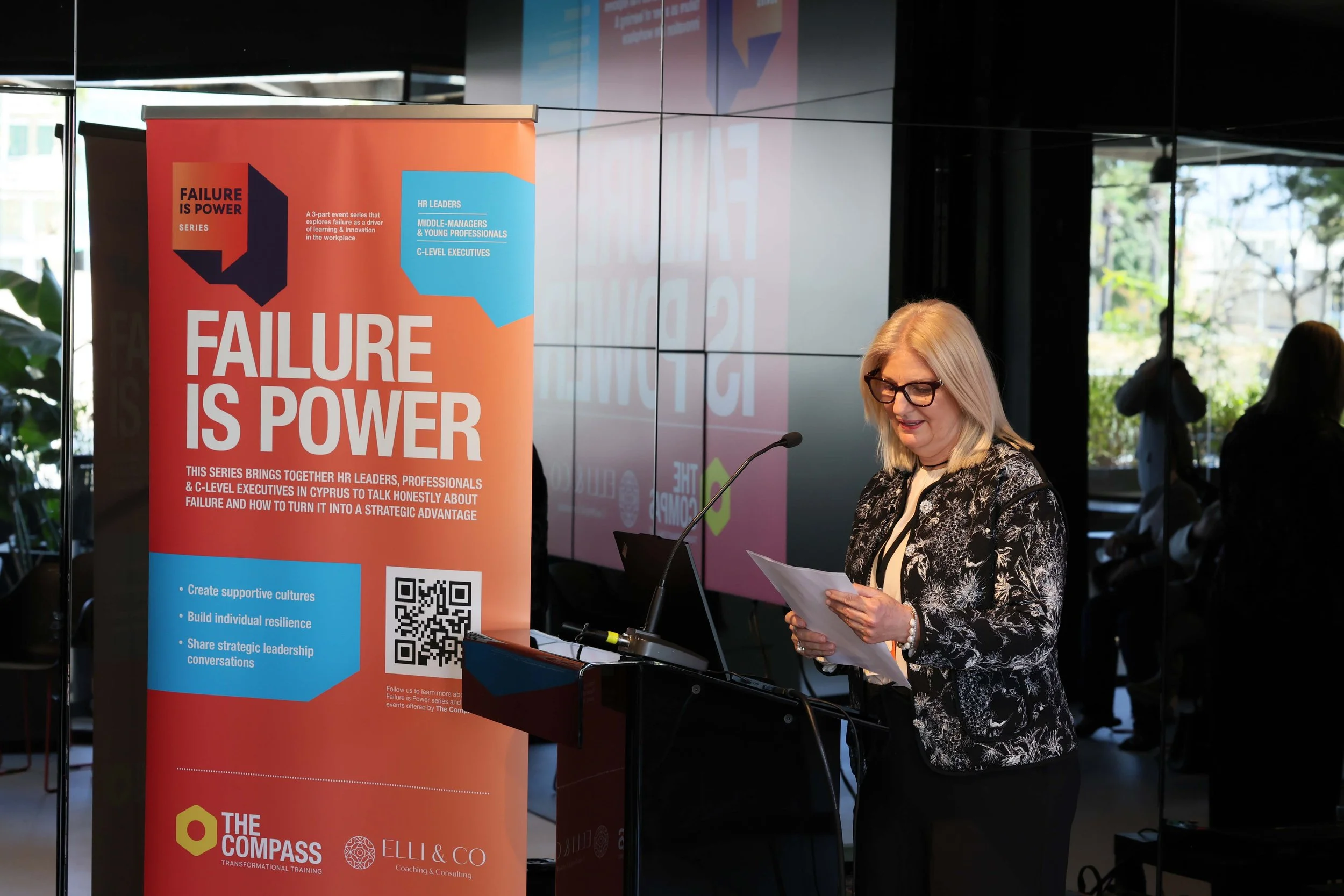
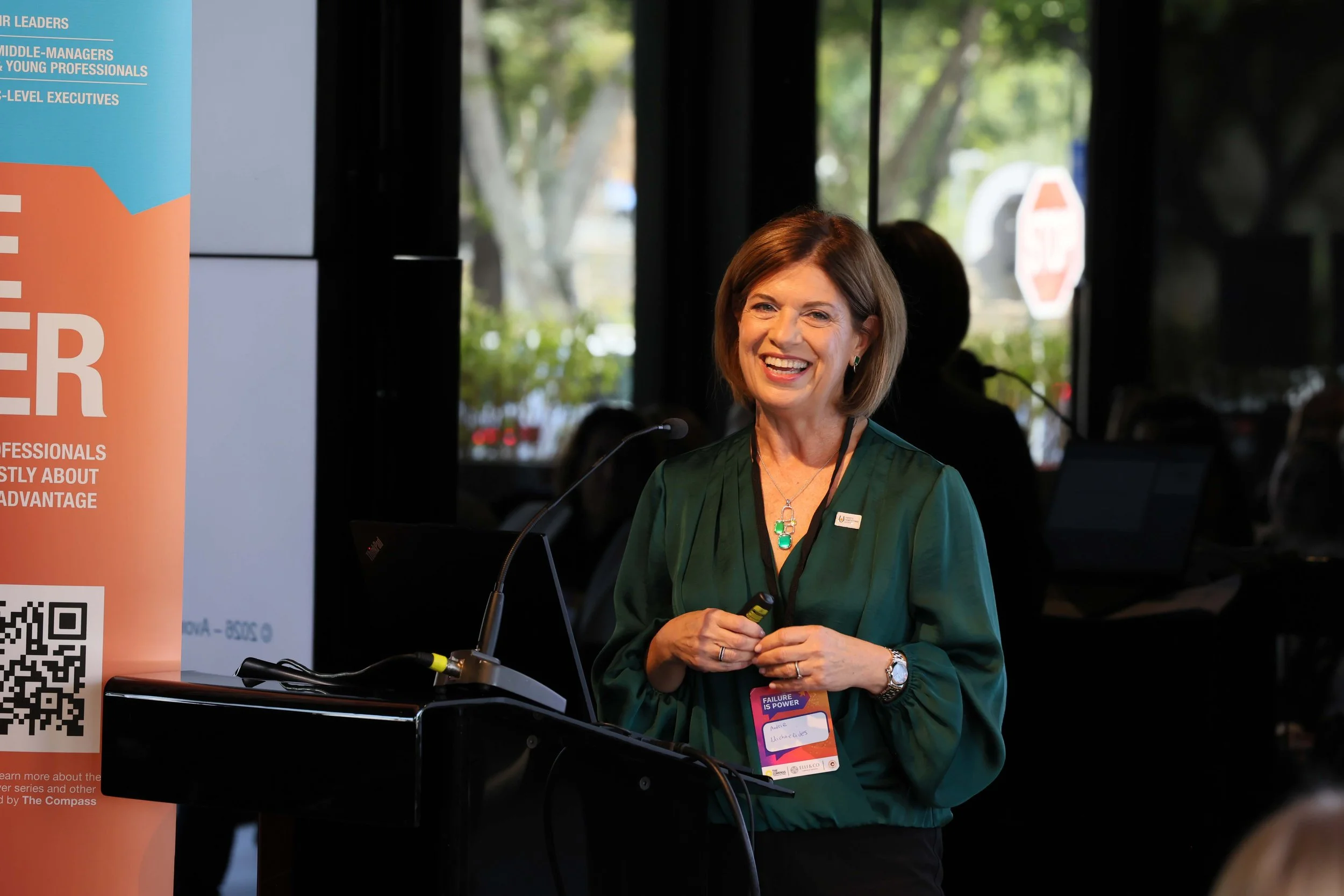
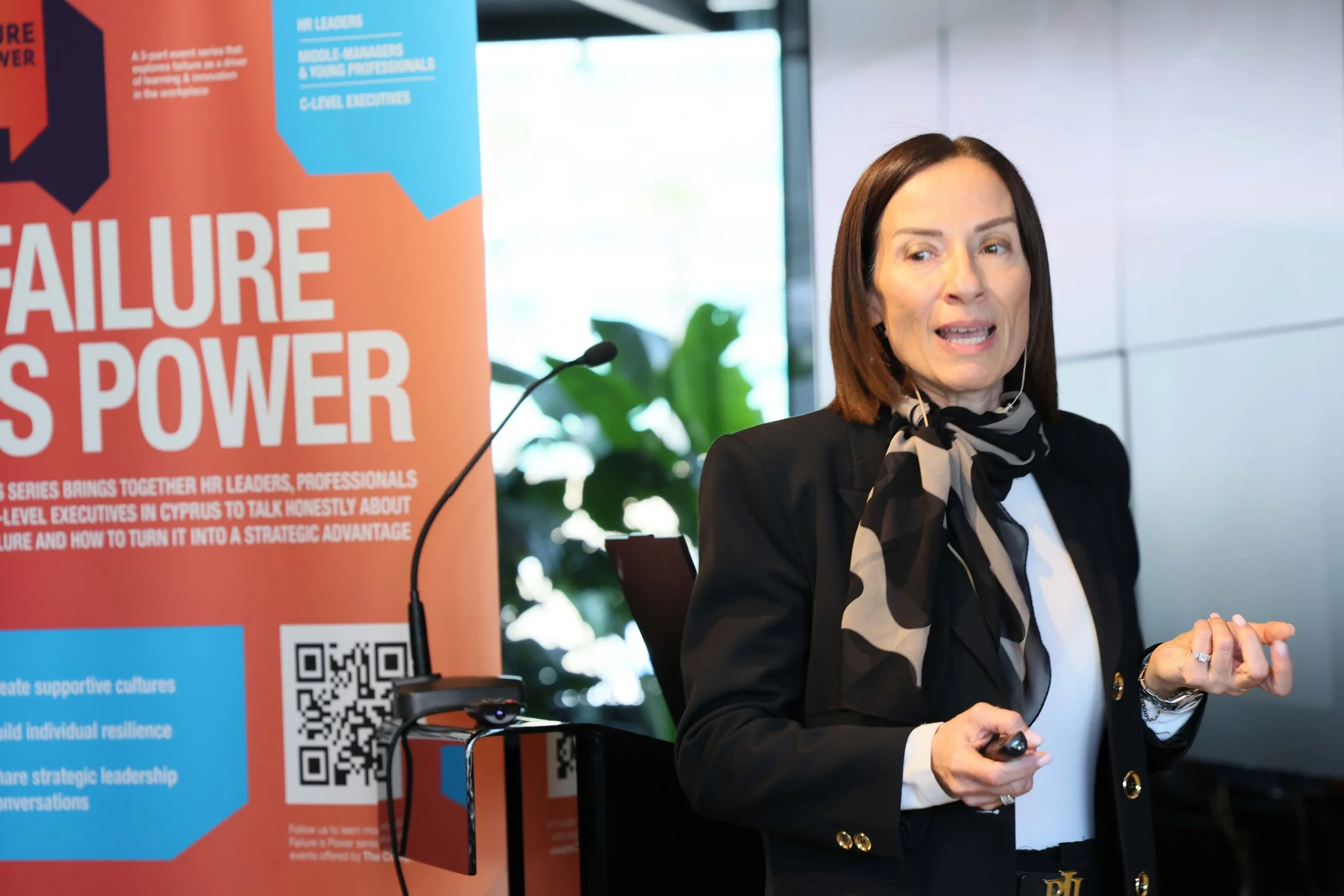
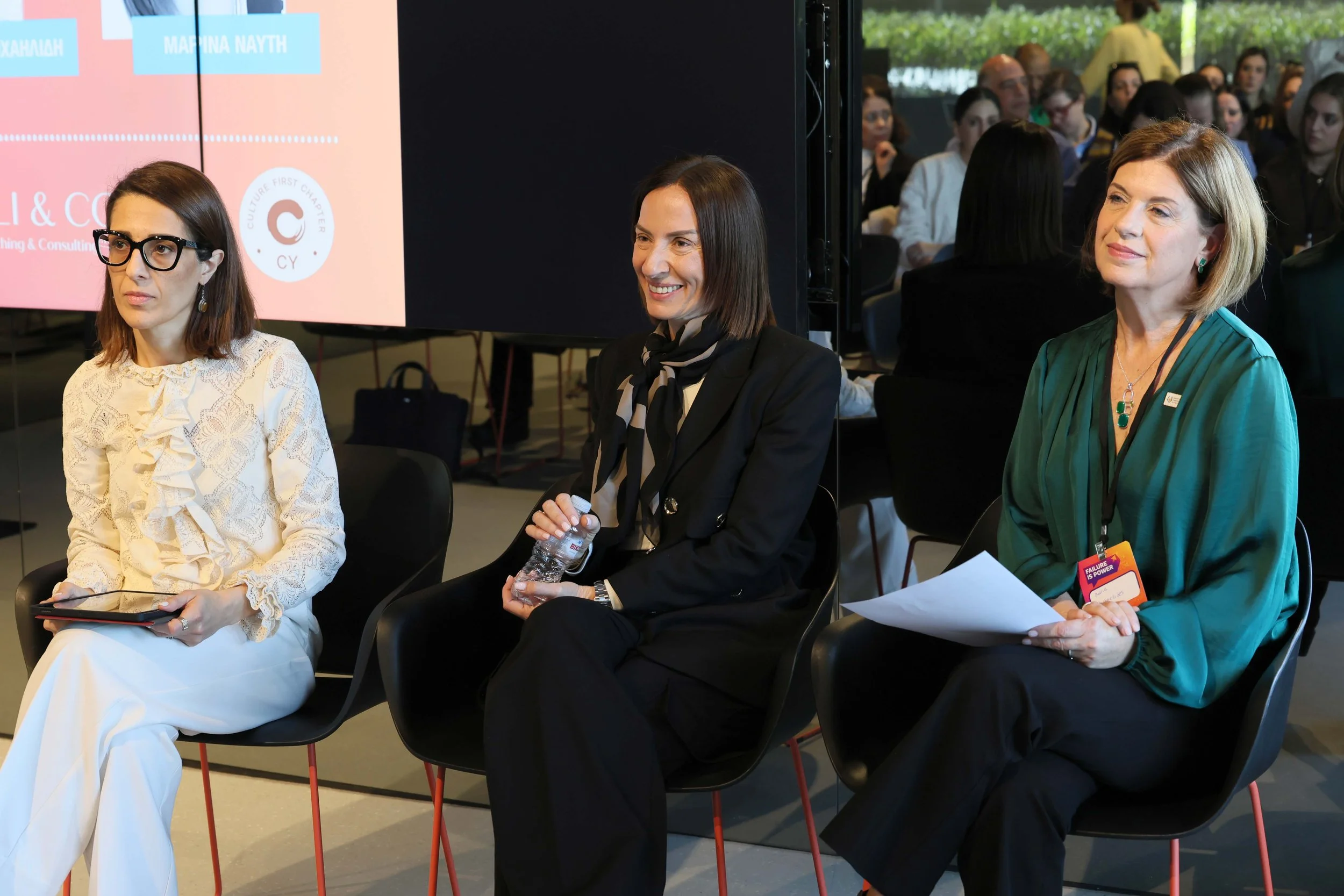
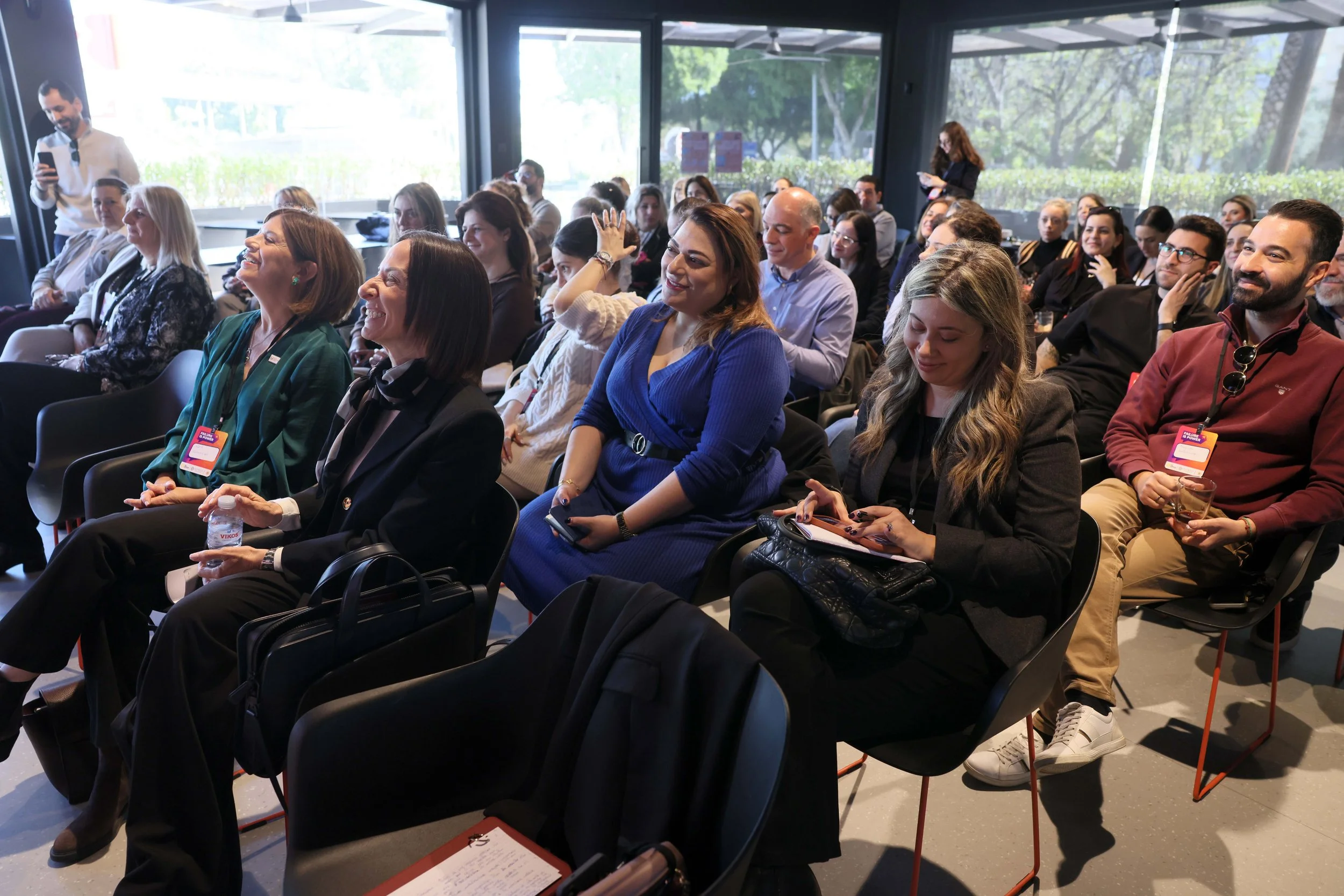
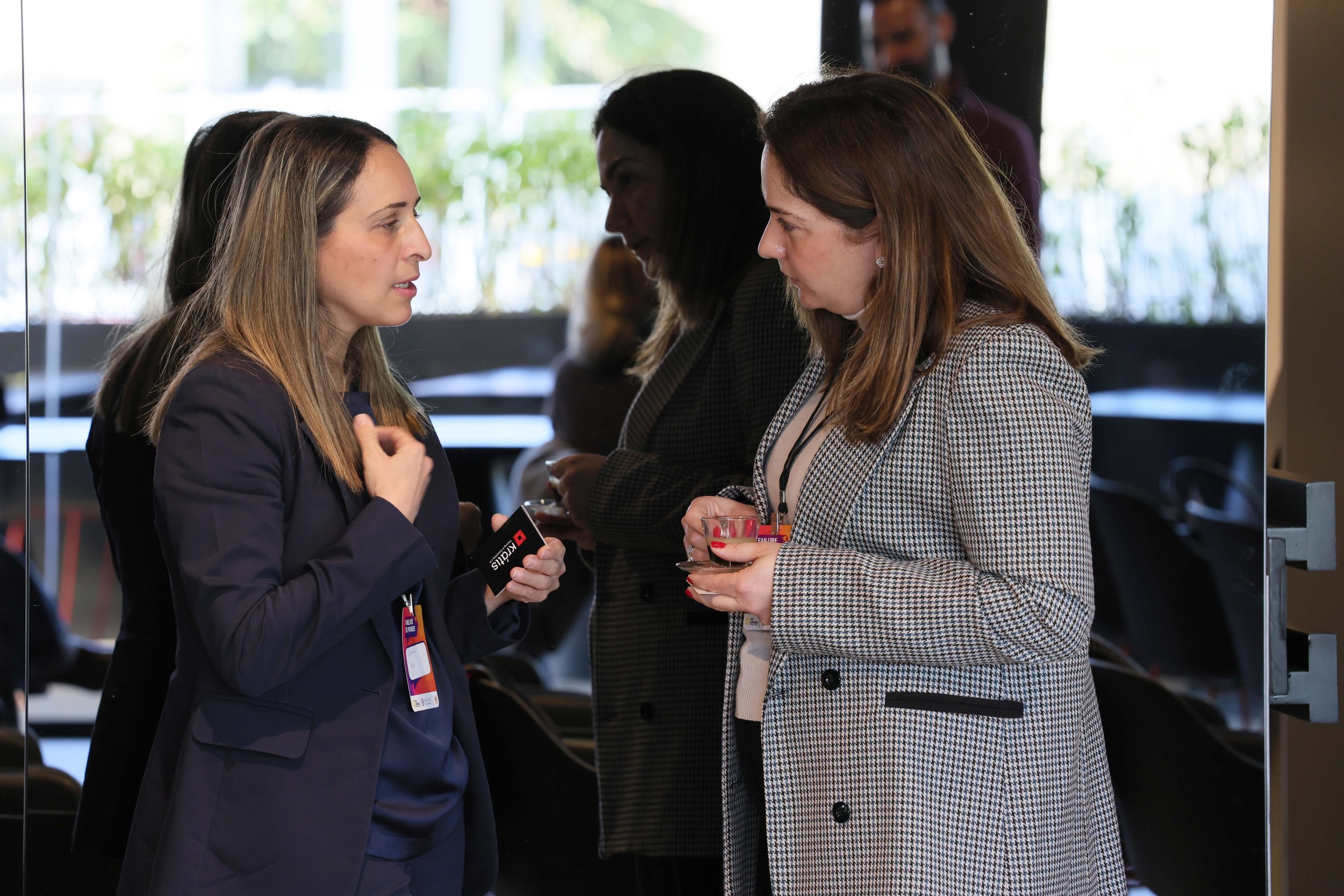
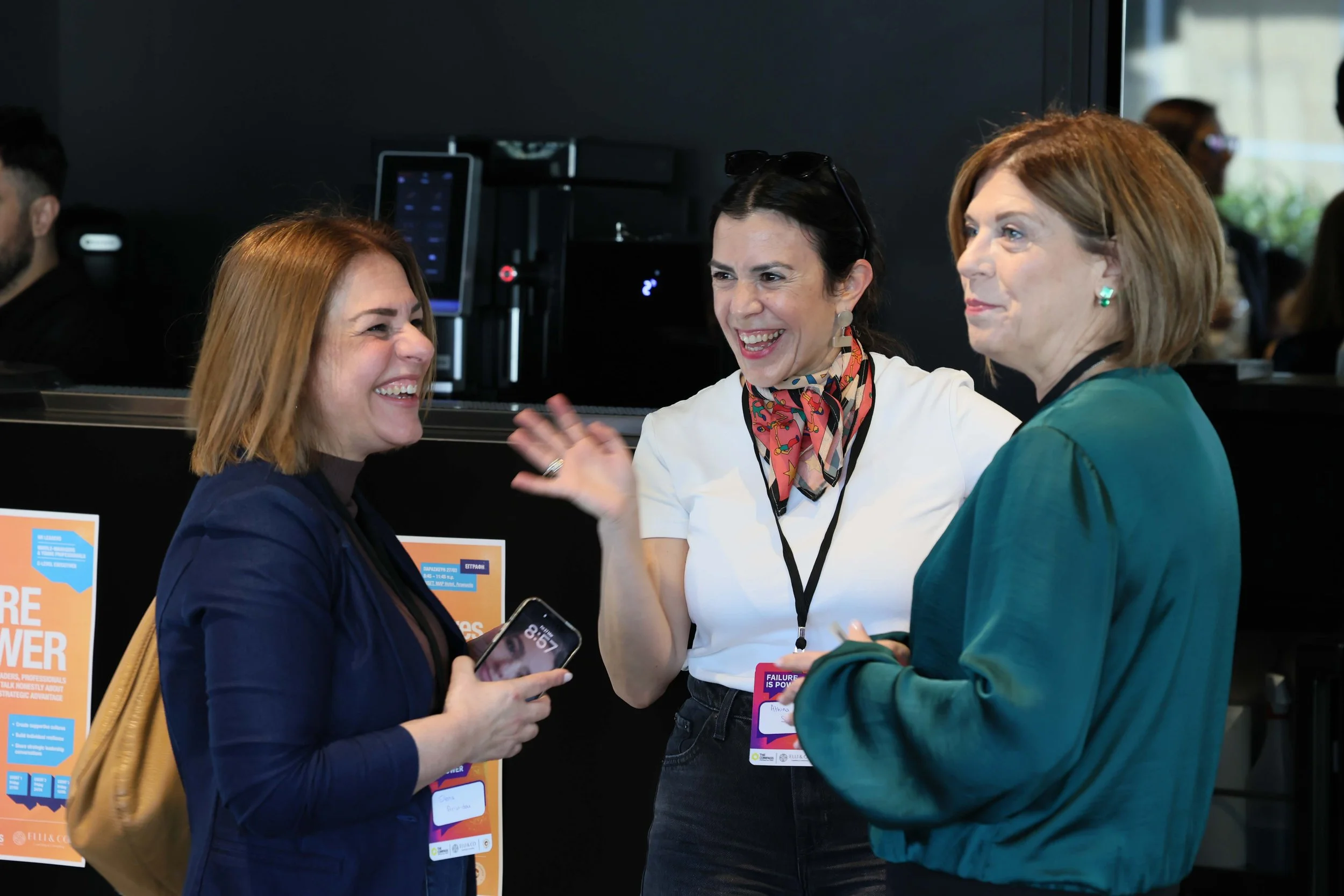
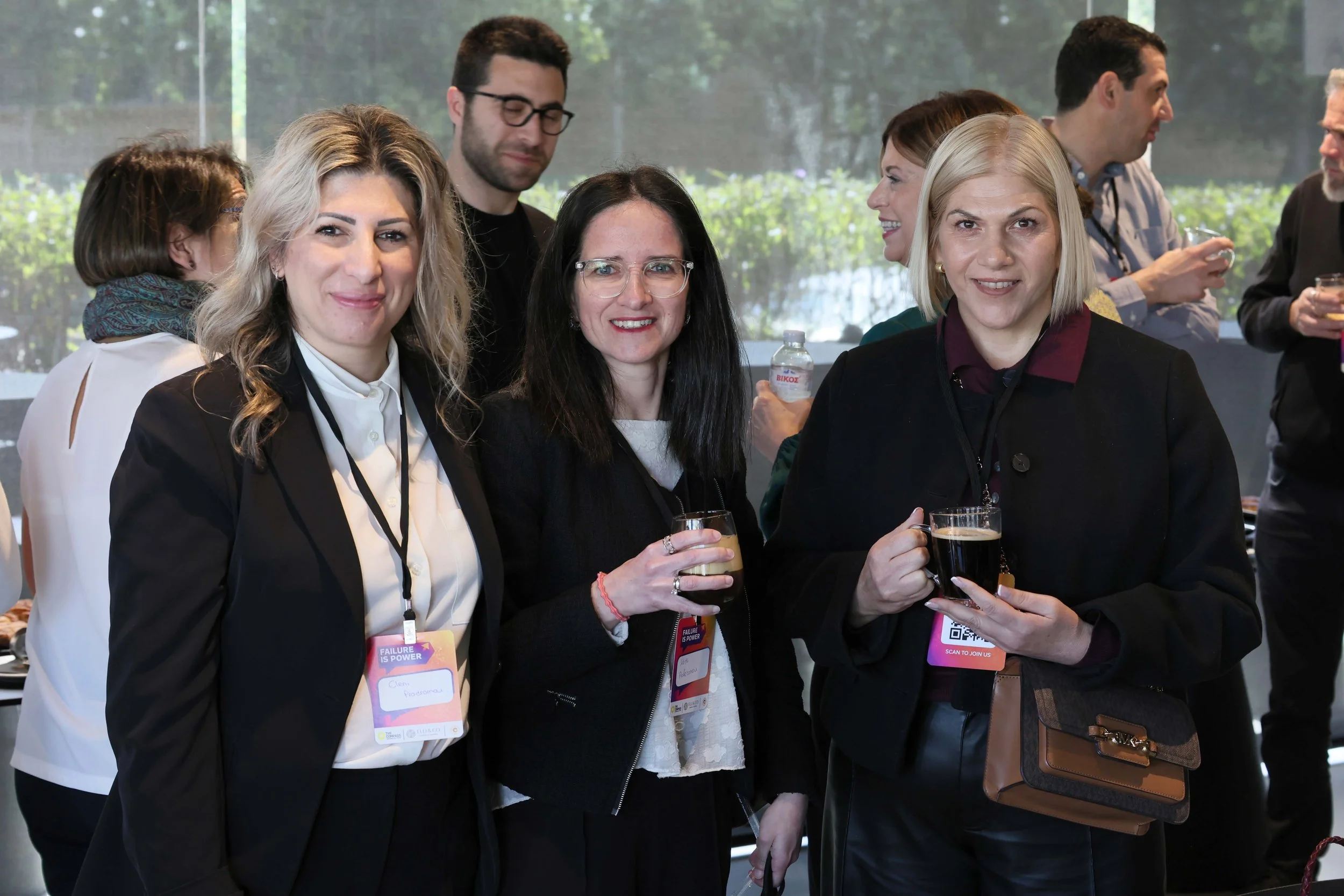
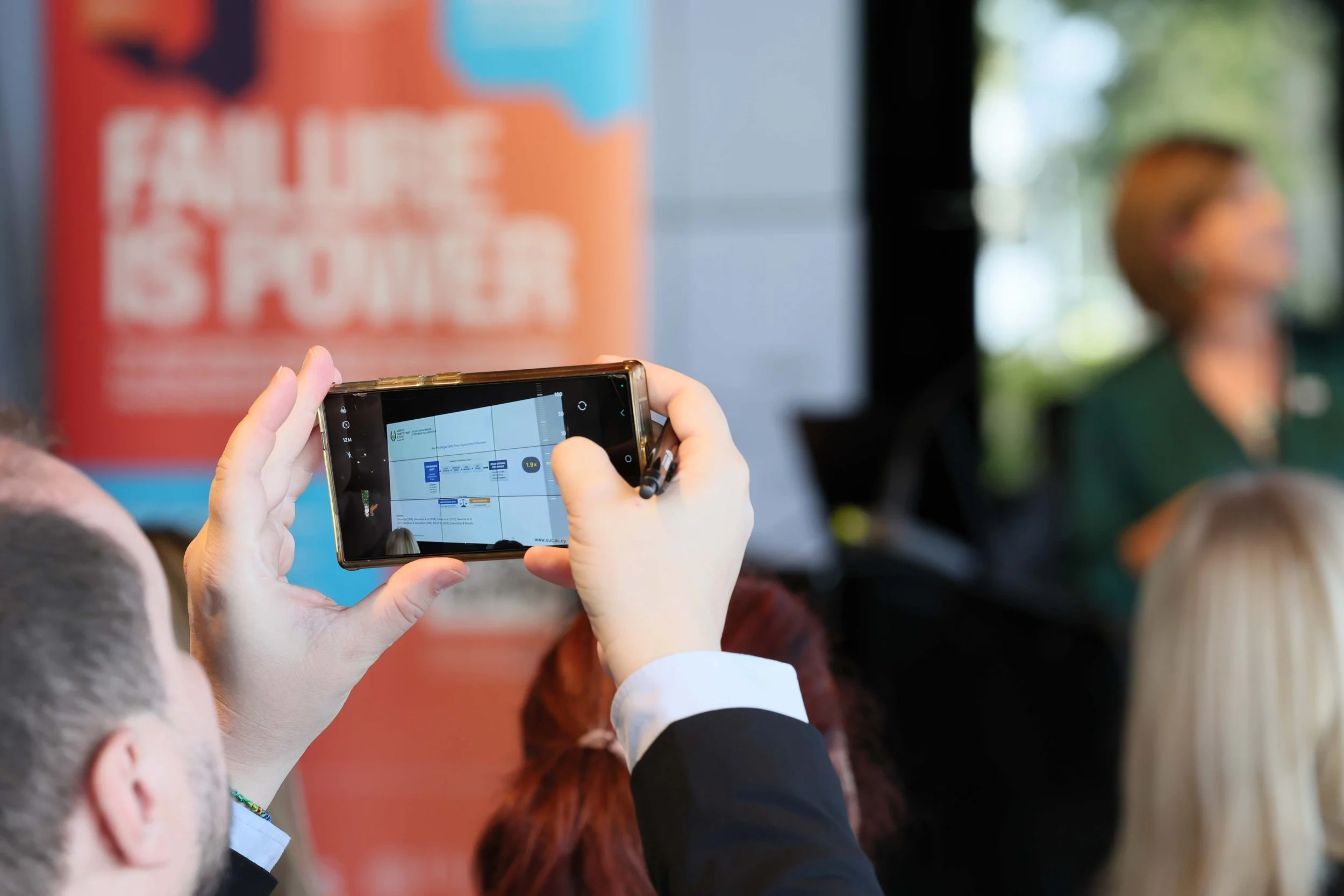
On 27 March in Nicosia, Elli & Co co‑hosted the first Failure is Power event - Building cultures that learn from mistakes - together with Culture First Cyprus Chapter and The Compass Training.
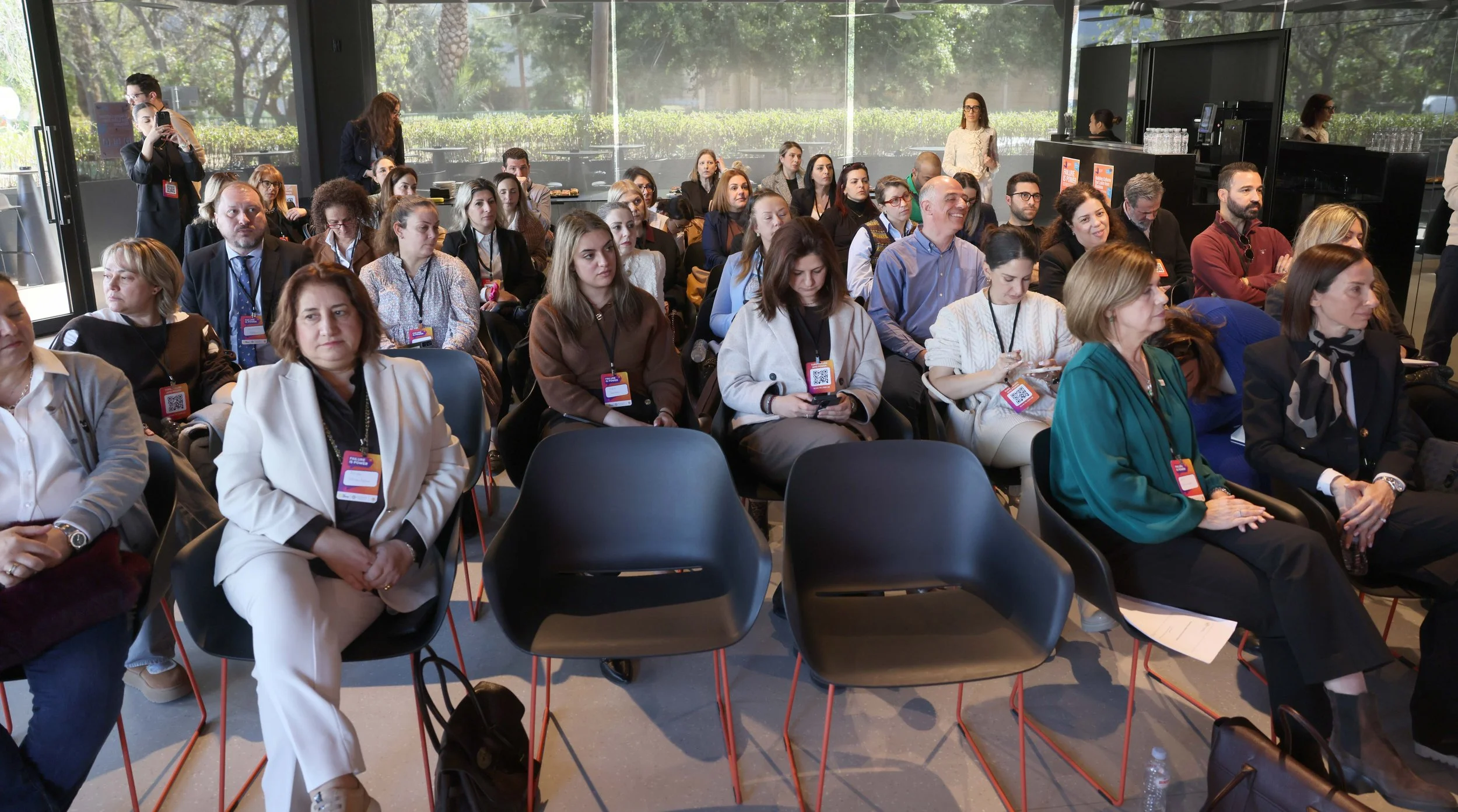
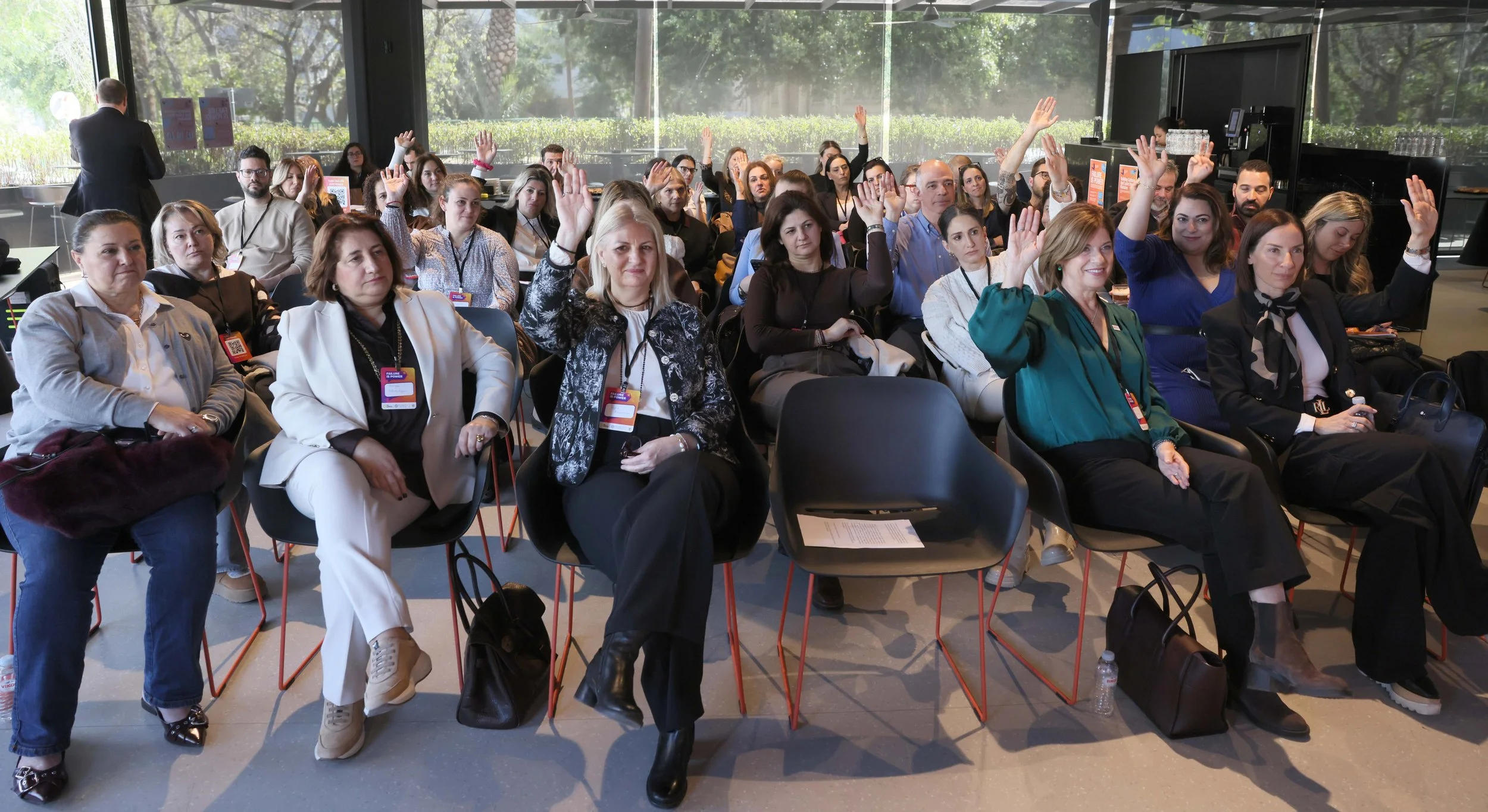
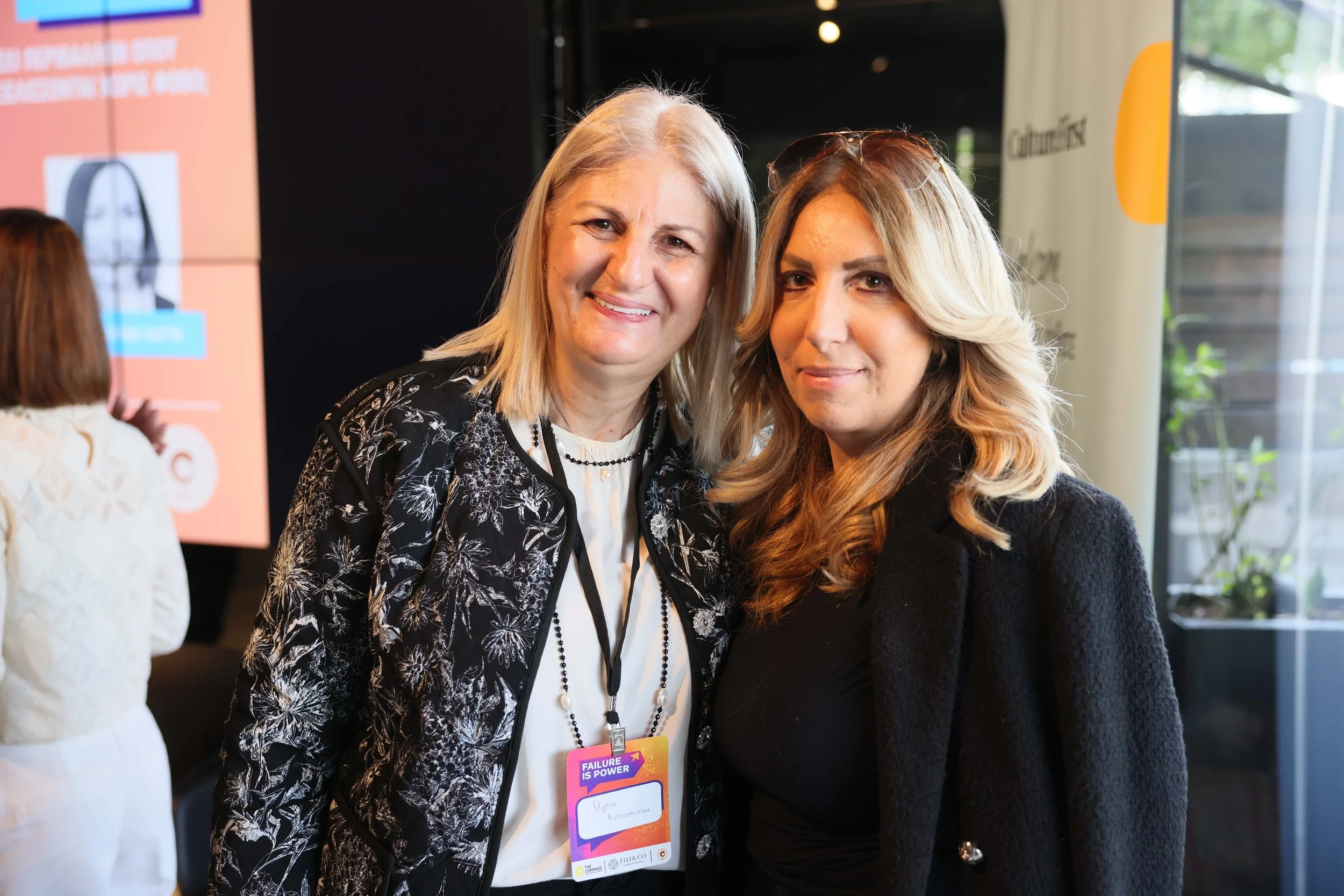
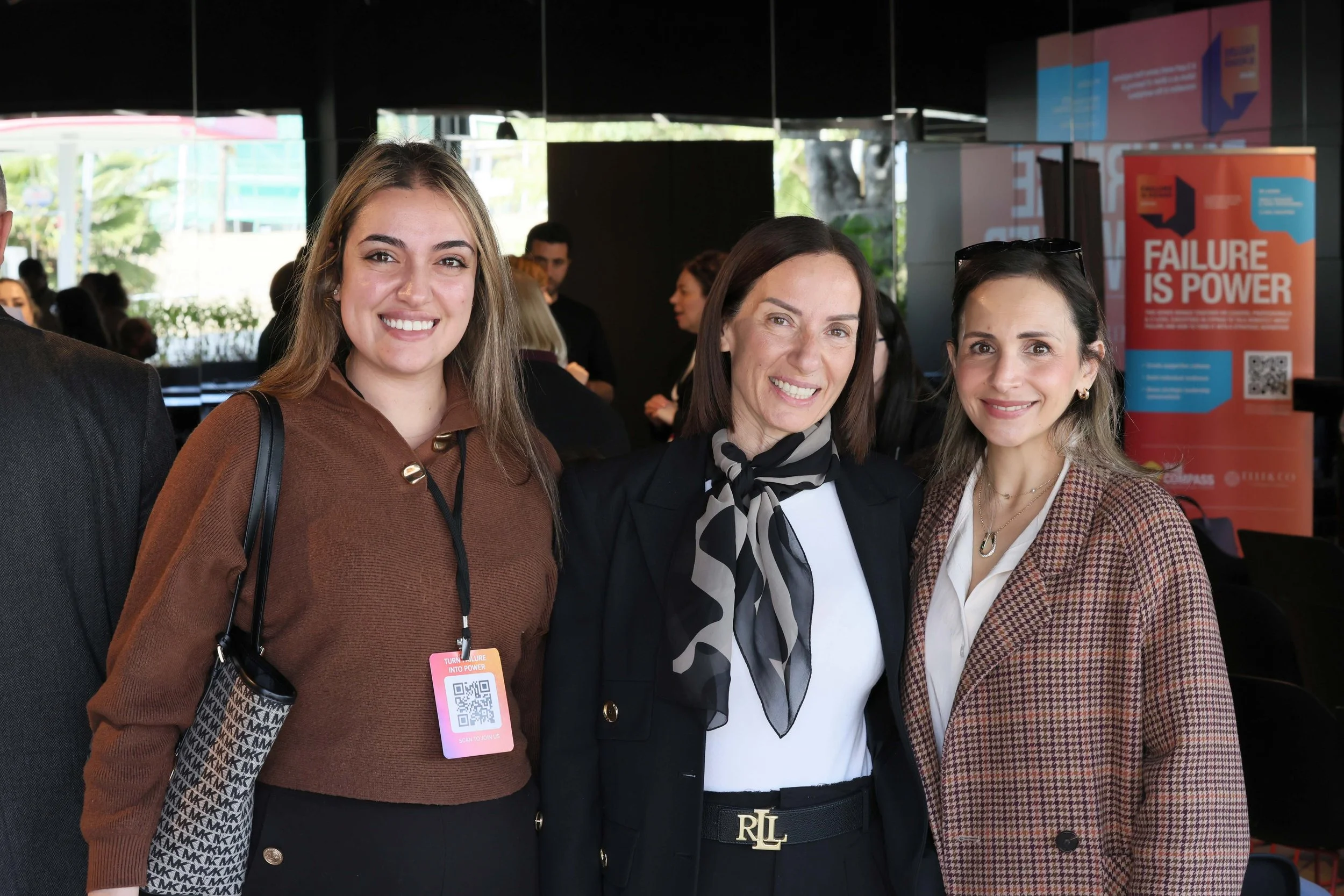
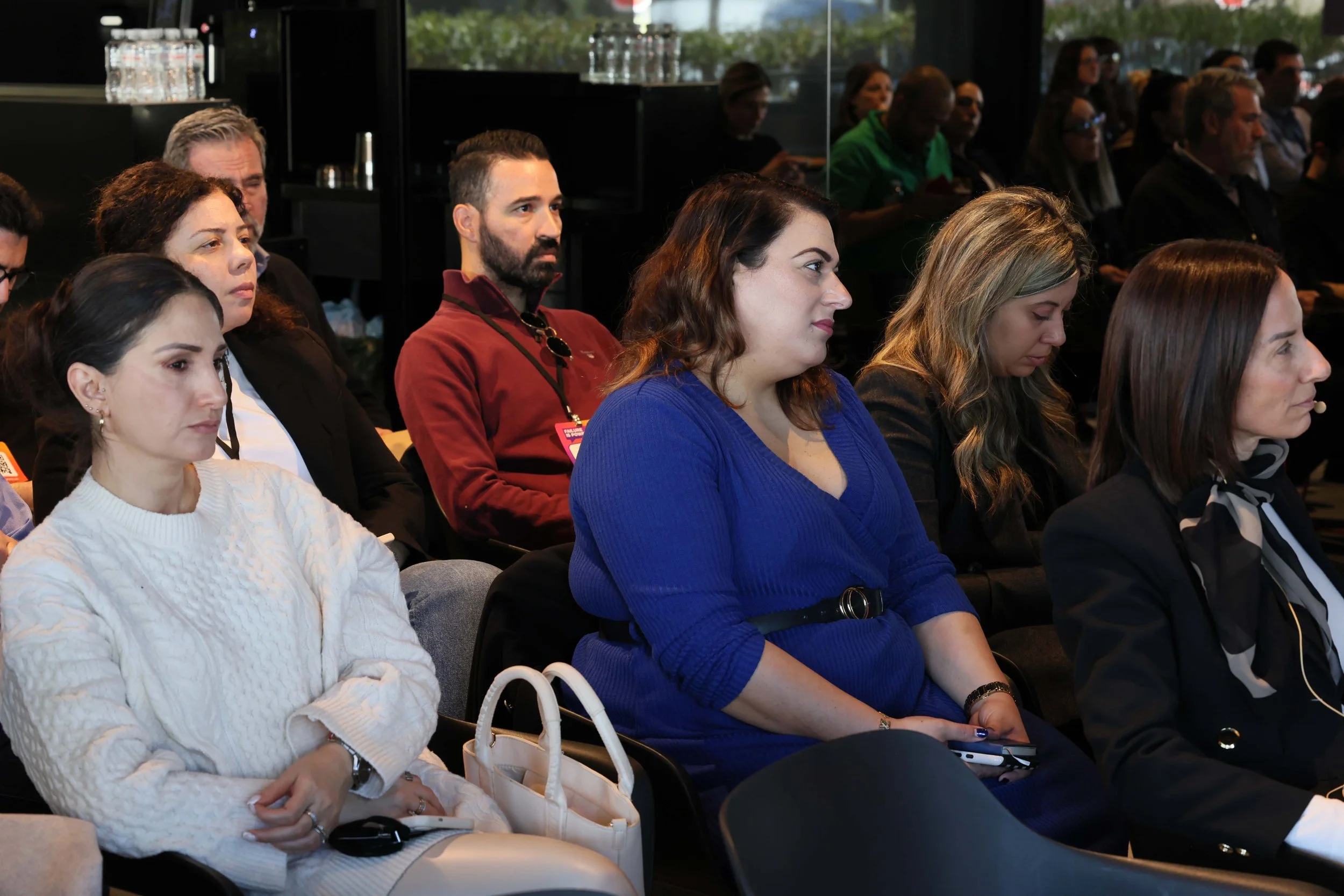
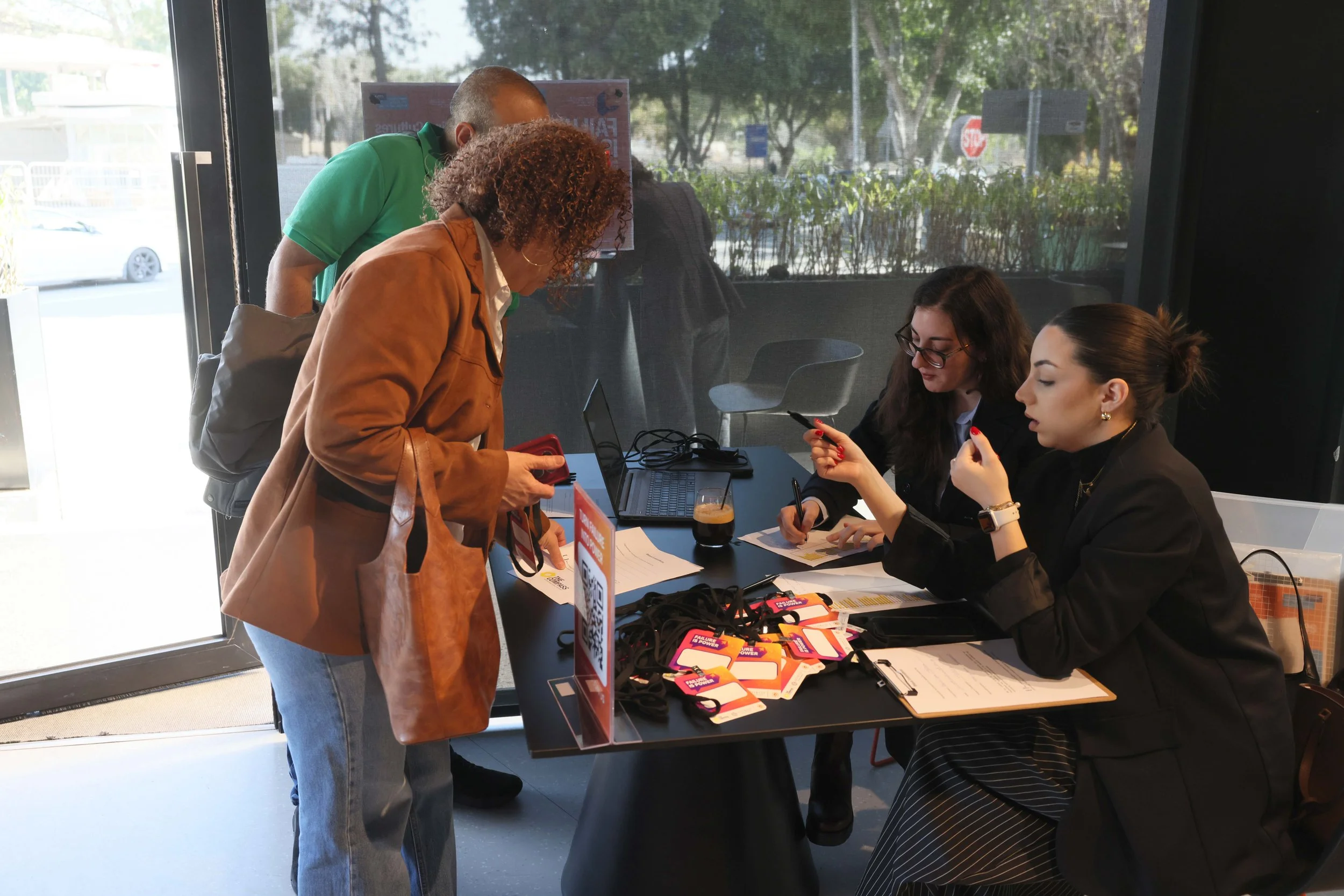
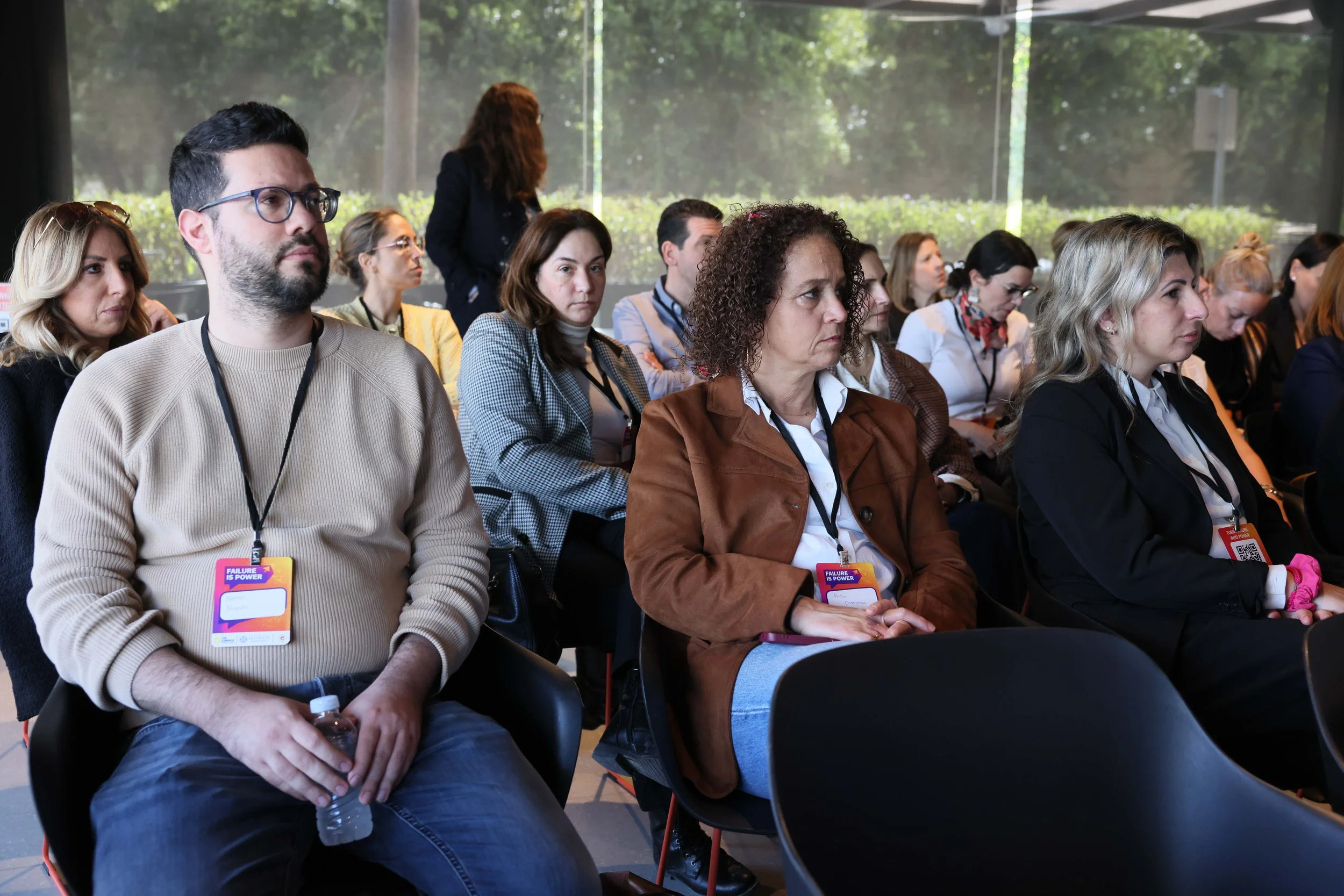
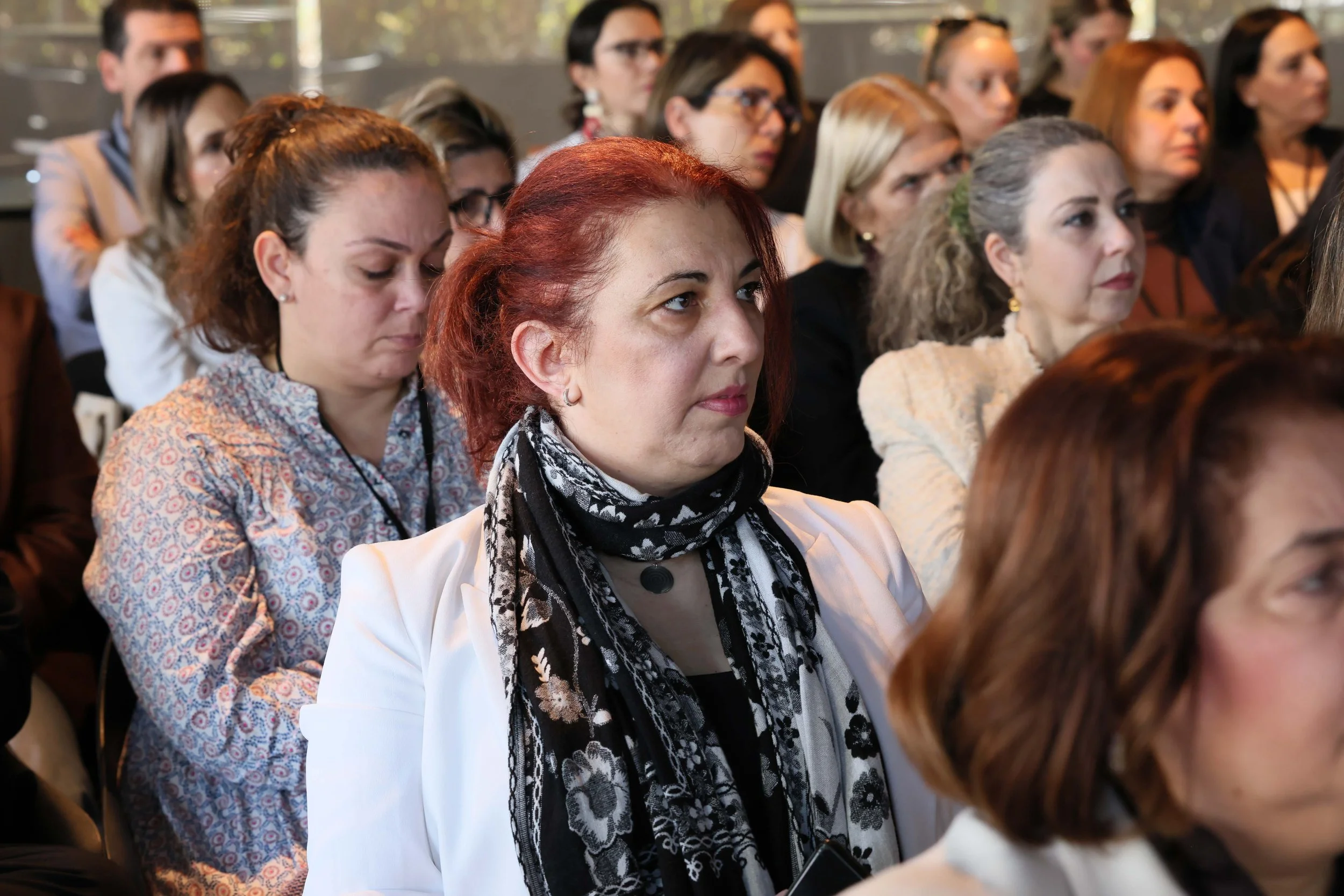
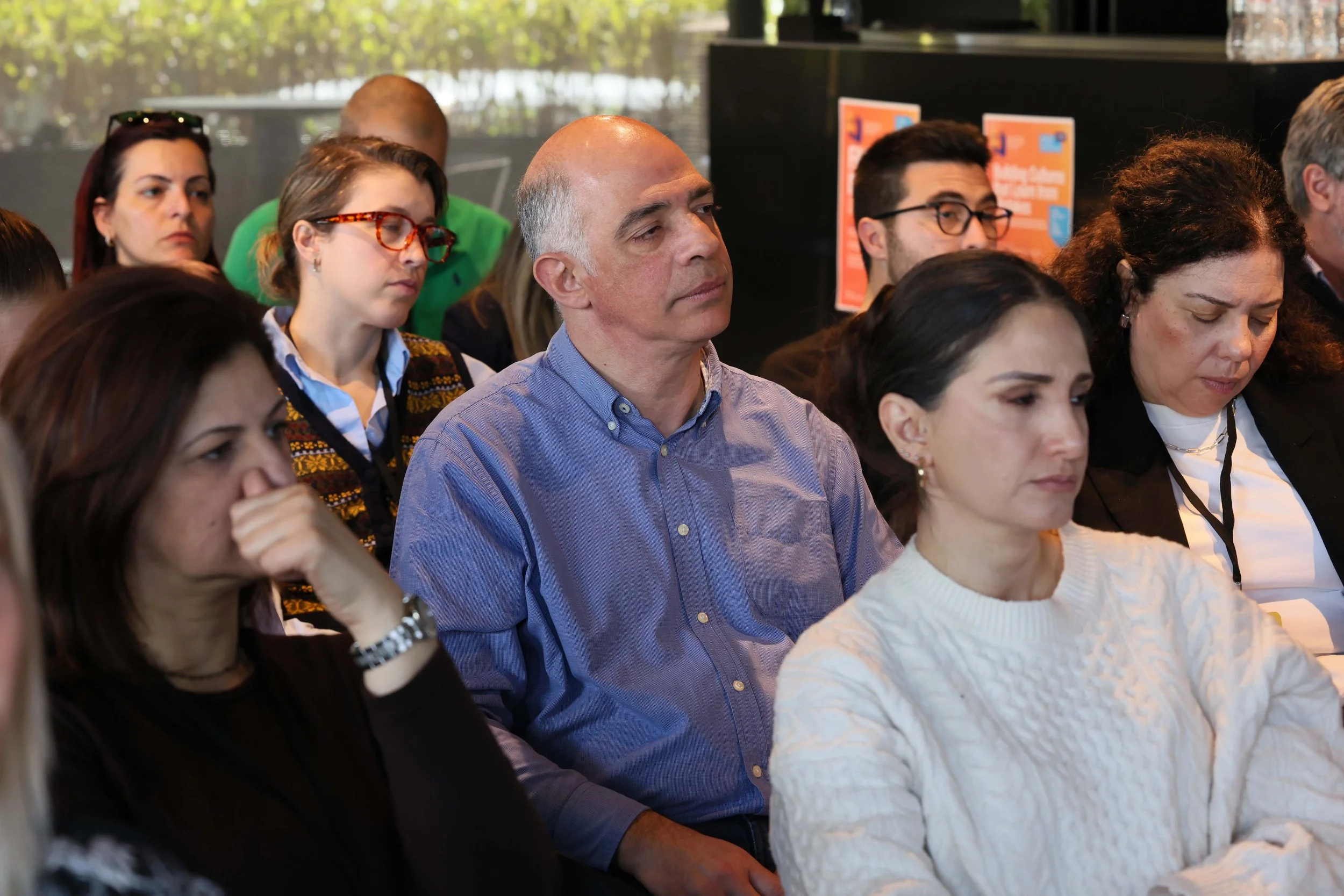
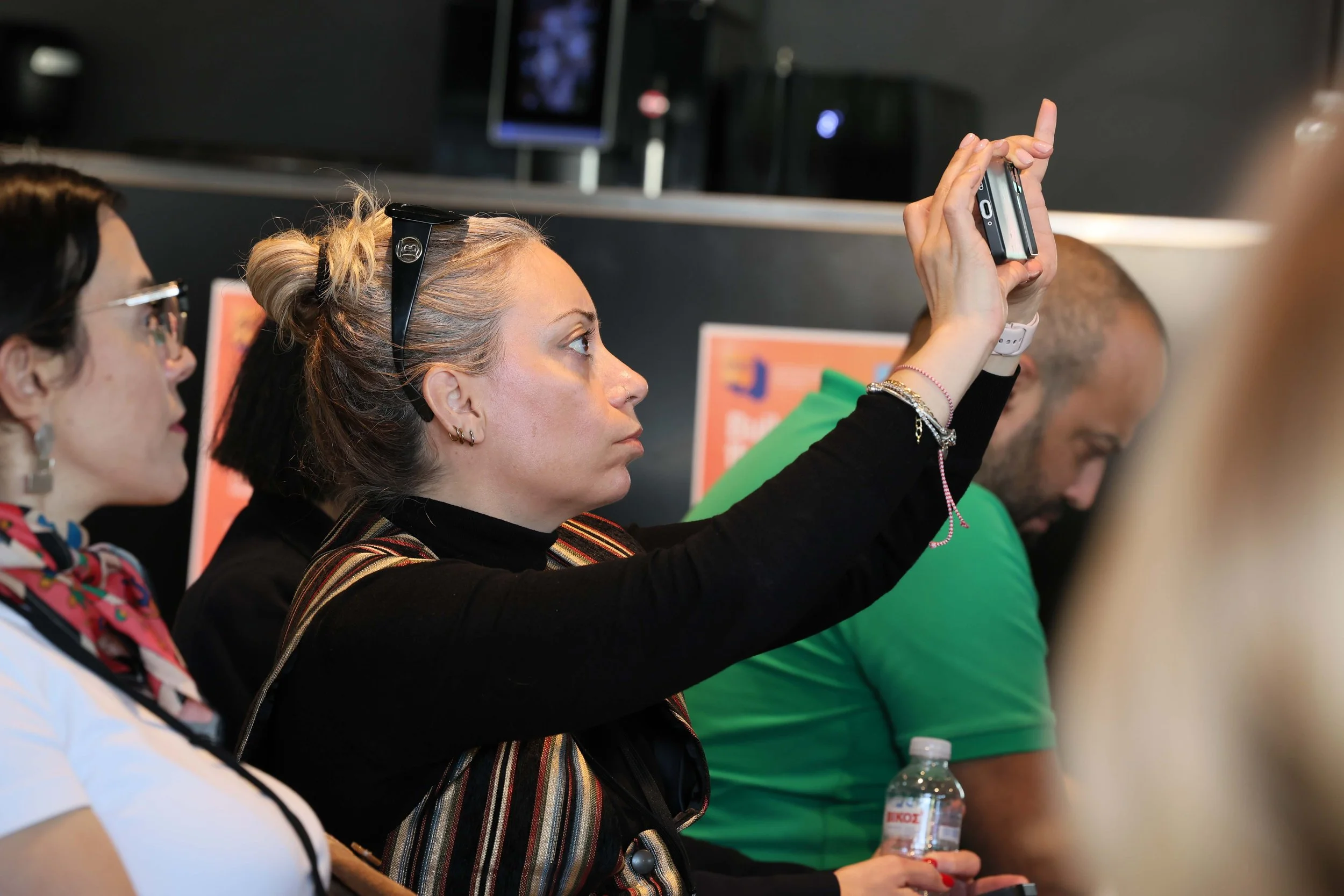
We brought together around 45 HR and People leaders, managers and change‑makers from organisations to explore psychological safety at work, trust and what it takes to talk openly about failure instead of hiding it.
The room felt energised, not because failure is an easy topic, but because people recognised themselves and their organisations in what we explored.
Several HR leaders told us they were already thinking about which managers, team leaders and executives they wanted to bring along next time.
Why psychological safety at work matters for teams
At Elli & Co, we see the same patterns across multicultural, hybrid and distributed teams: low trust, hidden conflict and people who hesitate to speak up when something isn’t working.
Failure is Power is our way of creating space for HR, leaders and teams to work with these tensions more honestly – and to turn failure into a driver of trust, resilience and performance, not a source of silence.
Key takeaways from the Failure Is Power event
Failure isn’t one thing – and not all of it deserves blame
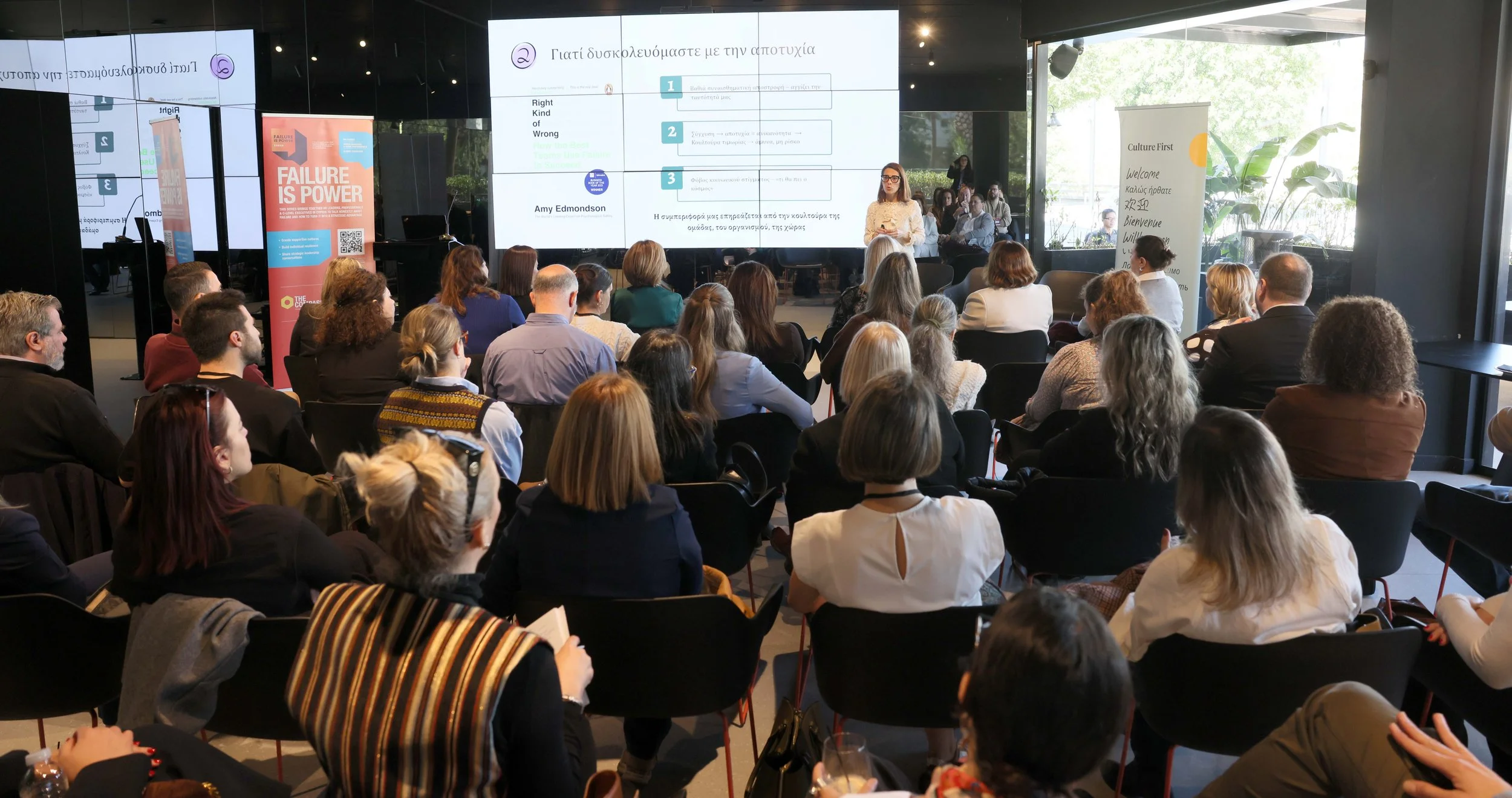
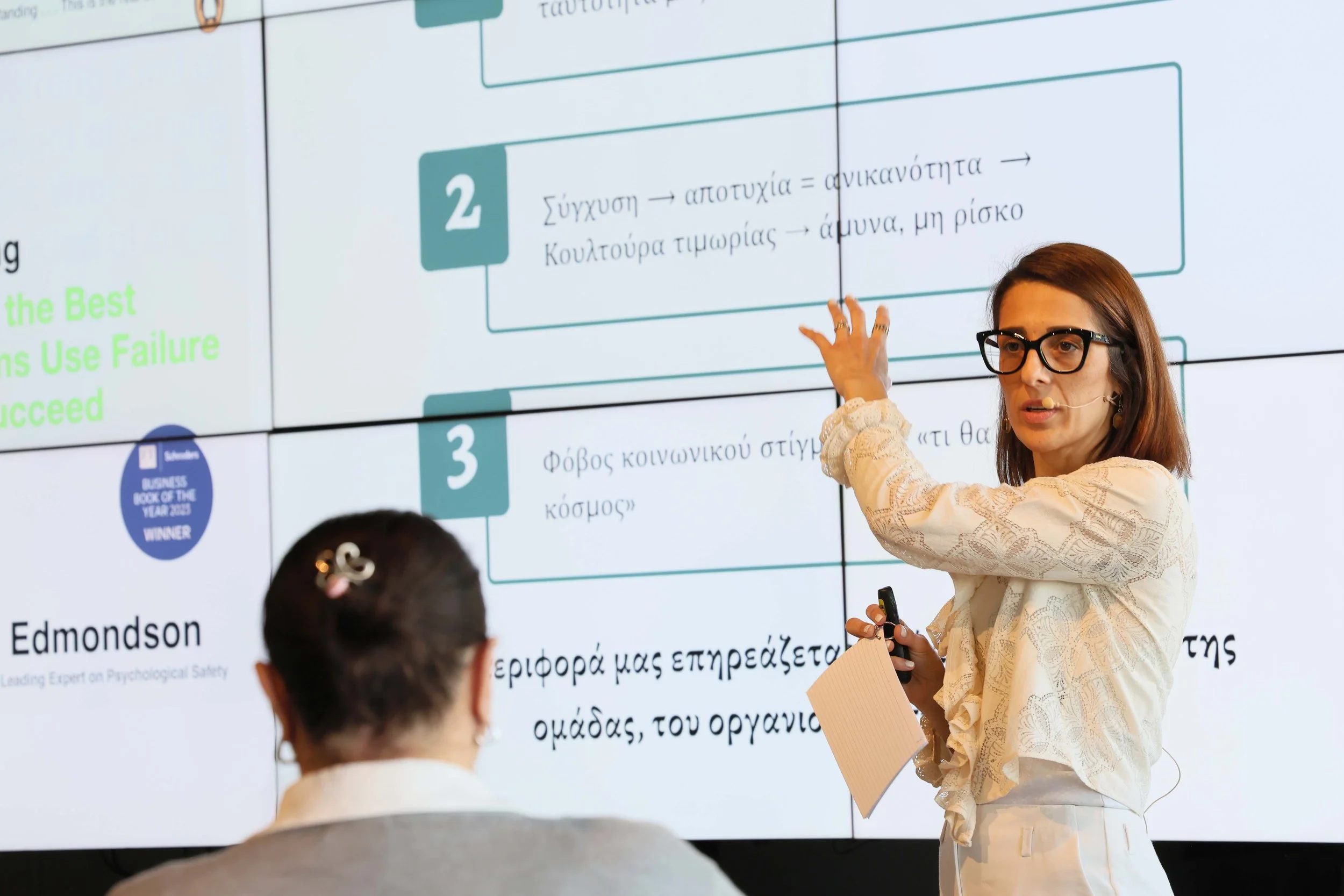
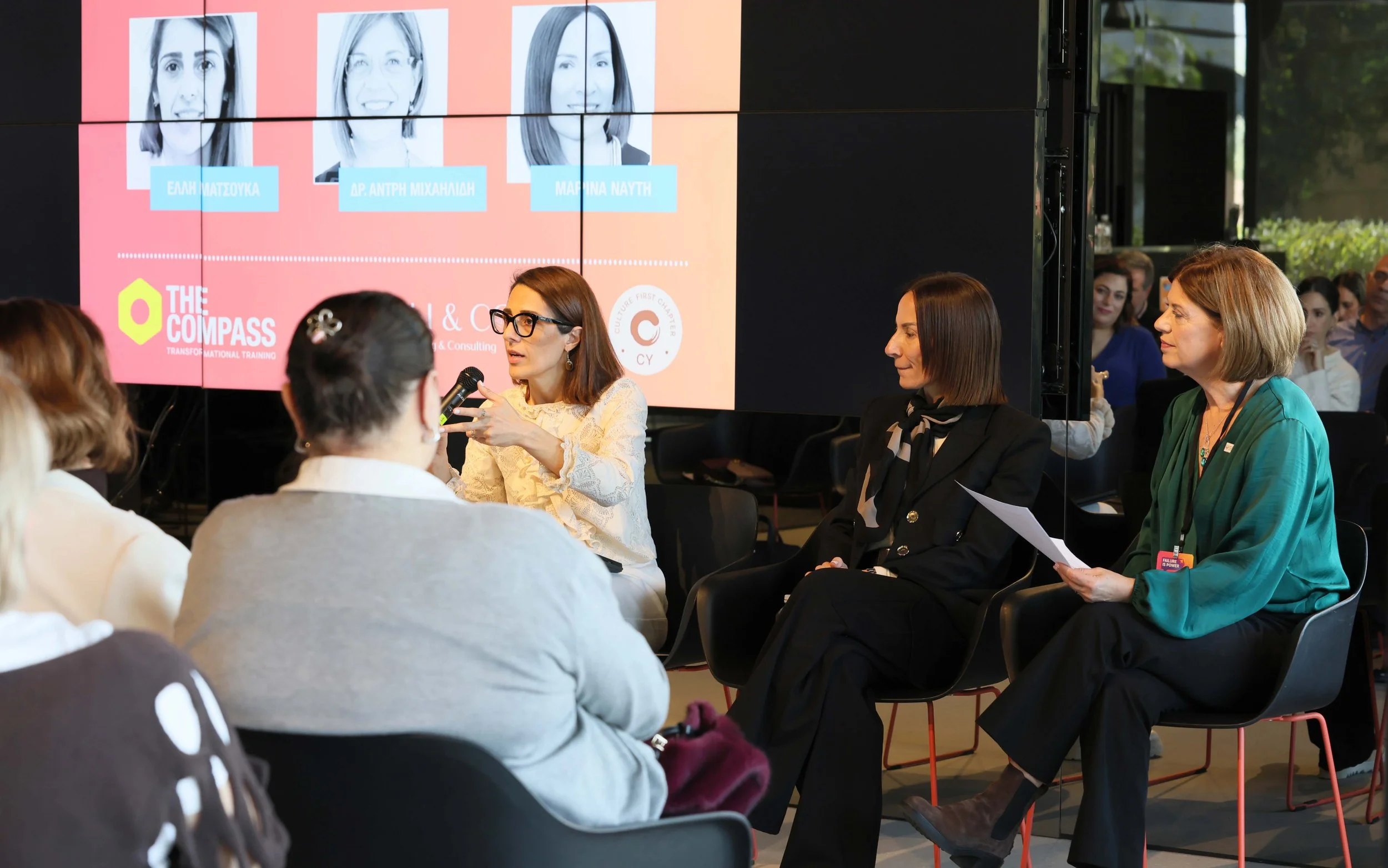
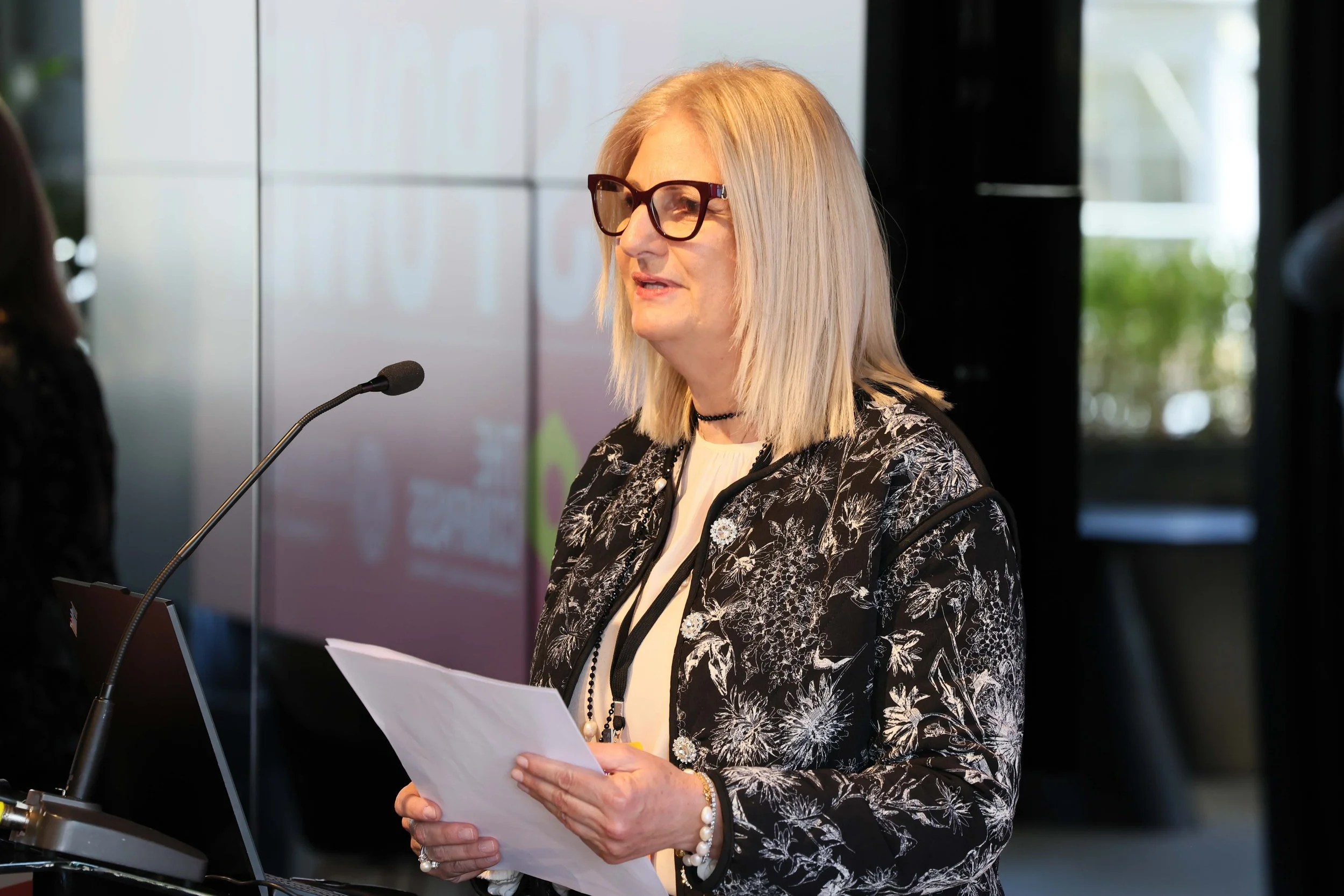
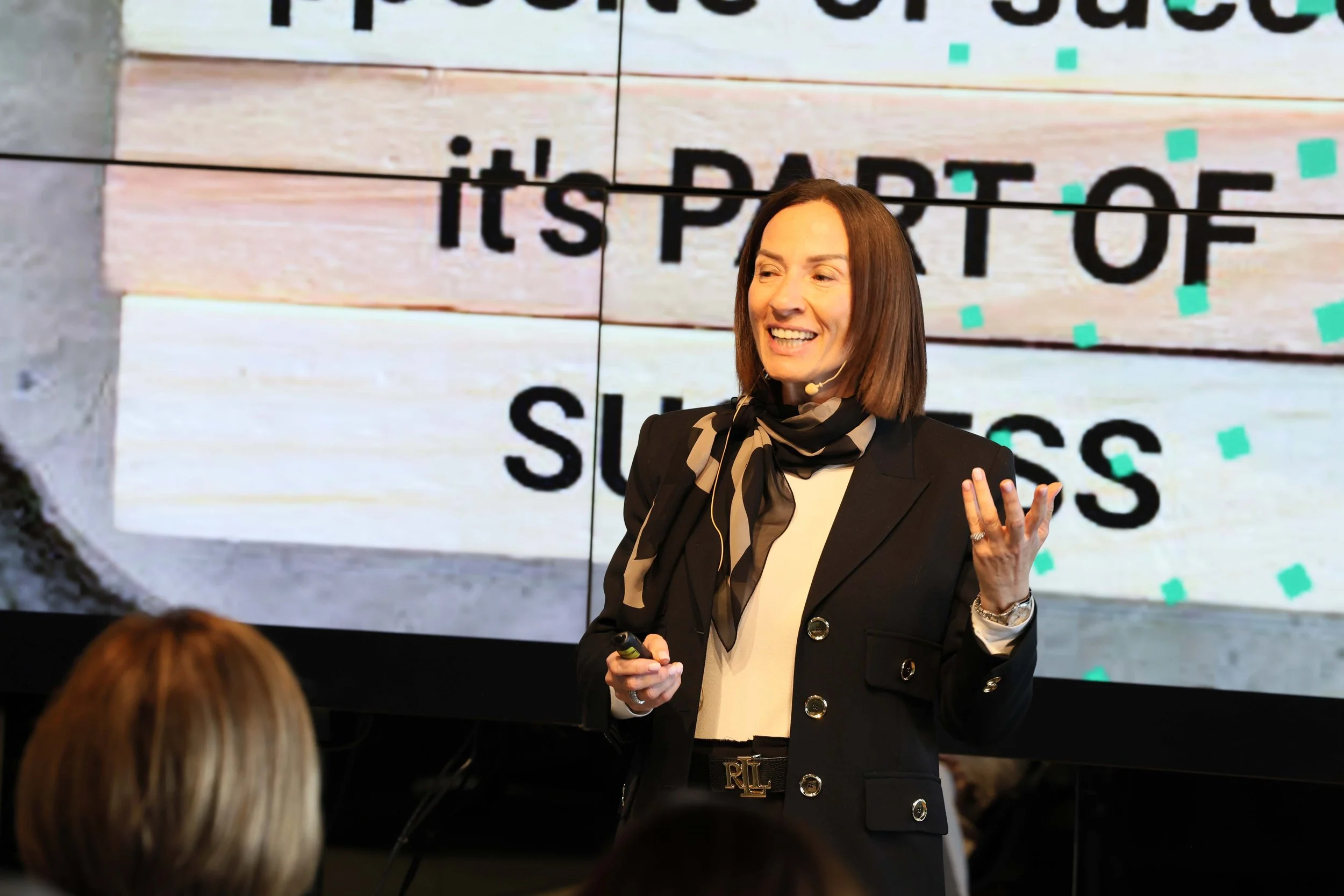
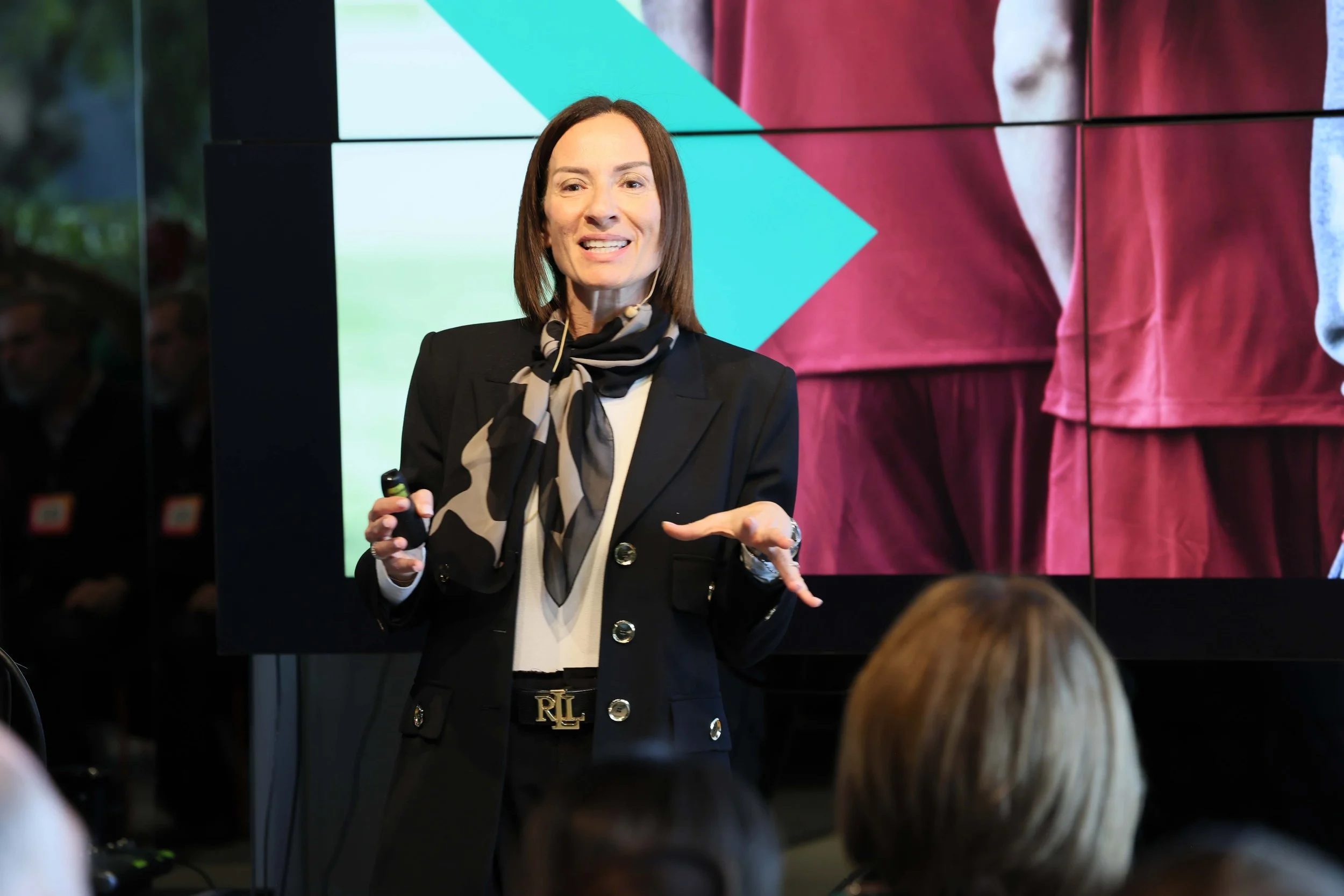
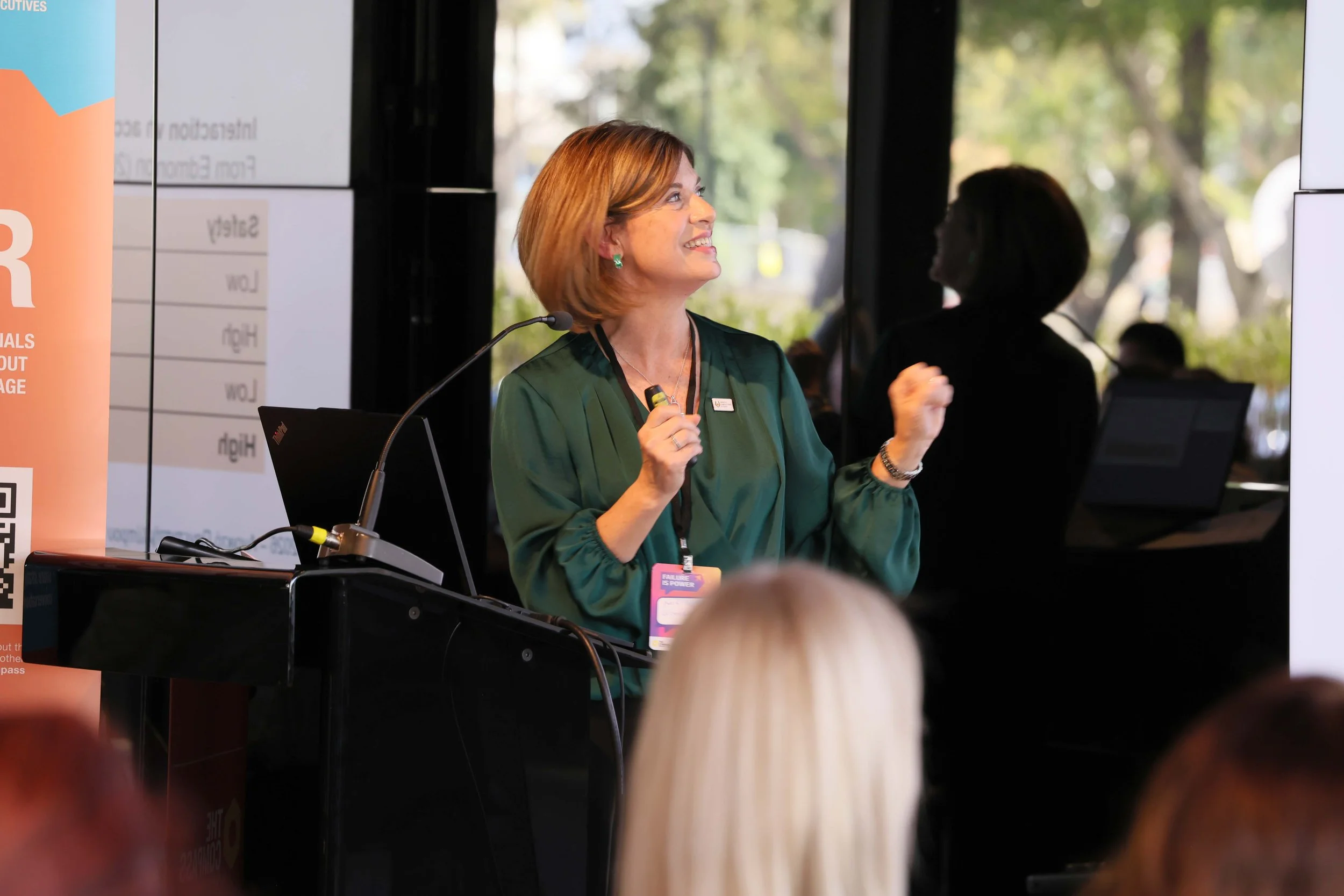
One of the first shifts we discussed on was that “failure” isn’t a single, simple category. Drawing on Amy Edmondson’s work, Dr Andri Michaelides introduced a spectrum of failure; from clear misconduct and preventable errors, to complex system‑driven failures and “intelligent failures” that create new learning.
When organisations treat everything as blameworthy, they over‑penalise honest mistakes and experiments and shut down the very behaviours they need to adapt and innovate. The point is not to excuse misconduct, but to get more precise about what we’re seeing, so leaders can respond with the right mix of accountability and learning instead of defaulting to the blame game.
The real risk isn’t failure. It’s silence
Research shared during the session highlighted a paradox: teams that report more errors often have better outcomes, not worse. They don’t fail more; they surface and discuss what is already happening, which allows earlier detection, better analysis and smarter responses.
This is where psychological safety comes in; the shared belief that it’s safe to speak up, ask questions, admit mistakes and challenge the status quo without fear of embarrassment or punishment.
Without it, organisations don’t just miss lessons from failure; they never hear about many of the failures in the first place.
Why HR can’t carry psychological safety alone
A strong theme in the conversation was that HR often feels the weight of these issues, but can’t transform culture on its own. In many organisations, HR is already working hard to put in place better processes, learning frameworks and listening mechanisms, and yet they still see resistance to change, low participation in surveys and very few questions in town halls.
Marina Nafti shared how Cyta is working intentionally on psychological safety and where they currently stand, offering a concrete example of what it looks like when HR and leaders start treating failure as a source of learning rather than something to hide. Her case underlined a key message: progress is possible, but it requires shared ownership beyond HR.
What we explored in the room cannot stay only in the room, or only inside HR frameworks. If cultures are going to learn from mistakes instead of hiding them, the conversation has to move into everyday leadership: managers’ 1:1s, team meetings, project reviews and C‑level decisions.
As one participant reflected, it’s one thing to talk about psychological safety, and something very different to practise it consistently in day‑to‑day decisions.
What “Failure Is Power” asks of leaders and teams
Across the morning, a few practical invitations emerged for leaders and teams:
Name the spectrum. Get more specific about what you’re seeing: is this an error, a violation, a complex system failure or an intelligent failure that brought new information?
Model speaking up. Admit your own mistakes, ask genuine questions and respond to others’ mistakes with curiosity and support (except in clear cases of misconduct).
Make room for intelligent failures. Design small, contained experiments where some failure is expected because you’re trying something new.
Invite others into the conversation. Don’t keep discussions about failure and psychological safety in HR meetings only – bring managers, team leaders and executives into the same room.
In our Leadership & Team Coaching programs, we often start by helping teams name the spectrum of failure in their own context, rebuild trust and psychological safety, and agree on what should be learned from; not hidden or punished.
As one participant put it afterwards, the real work now is “taking this framework back to our organisation and using it to talk differently about mistakes.”
What’s next in the Failure Is Power series
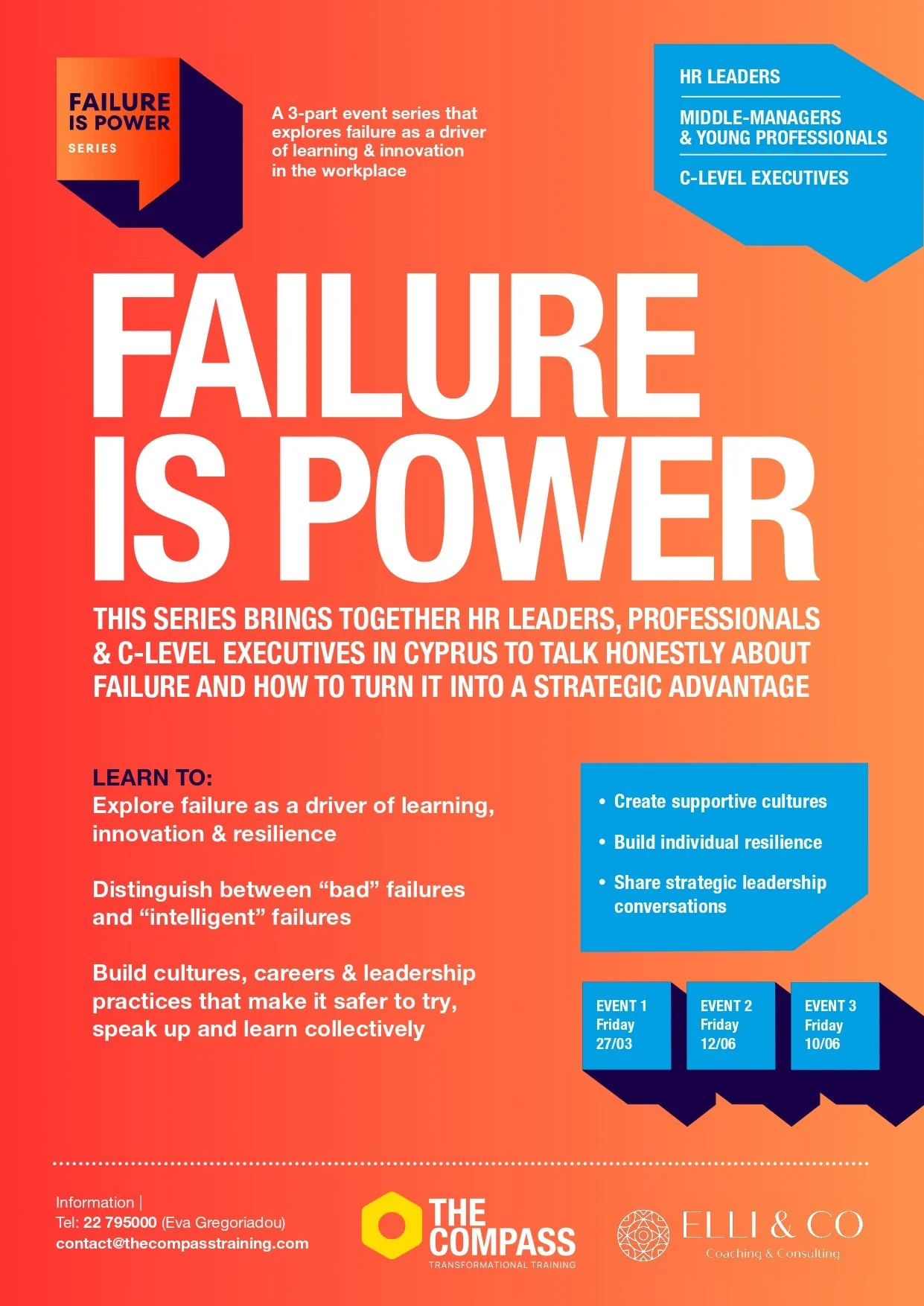
The first event focused on organisational culture, leadership and psychological safety.
The next two conversations in the Failure is Power series build on that foundation:
Event 2 – Setbacks, Doubt & Moving Forward (12 June 2026)
A more personal, story‑led session for young to mid‑level professionals, early managers and founders navigating transitions, setbacks and reinvention in their careers.
Event 3 – Failure Is Power: What Leaders Learn from Failure - COMING UP
A C‑level panel for senior executives and decision‑makers on leadership mistakes, accountability without blame and creating environments where people can learn without fear.
Together, these events move from culture, to individual experience, to executive leadership – keeping the conversation real, human and useful at every level of the system.
If these themes resonate with what you or your team is navigating, stay tuned for updates by joining our mailing list below.
Failure Is Power and psychological safety: FAQs
-
Failure Is Power is a three‑part event series created by Elli & Co and Co-hosted with The Compass Training for HR and People leaders, managers, founders and executives who want cultures that learn from failure instead of hiding it.
Each event explores psychological safety at work, trust and learning from mistakes through a different lens – culture, personal experience and leadership.
-
A practical first step is to start a conversation with managers and team leaders about how your organisation currently treats failure: where blame shows up, where people stay silent and where you want more learning.
You can also create the same language around what is considered a mistake, a failure or a violation and how you treat each of these.
From there, you can integrate psychological safety into leadership development, performance systems and team coaching.
-
Yes. Through our leadership development and team coaching programs, we work with organisations to build trust, psychological safety and resilient, future‑ready teams over time; not just in one‑off workshops.
We design and deliver blended developmental interventions that bring together coaching, consulting and facilitation in ways that are evidence‑informed, human‑centred, tech‑enabled and practical.